
Compare Bambu Lab H2S Combo vs Bambu Lab X1 carbon
Comparison between the best 3D printers
Choose the best 3D printer at the best price. The cheapest 3D printers are here.
Buy a 3D printer here with 3D Fila.
 |
 |
|
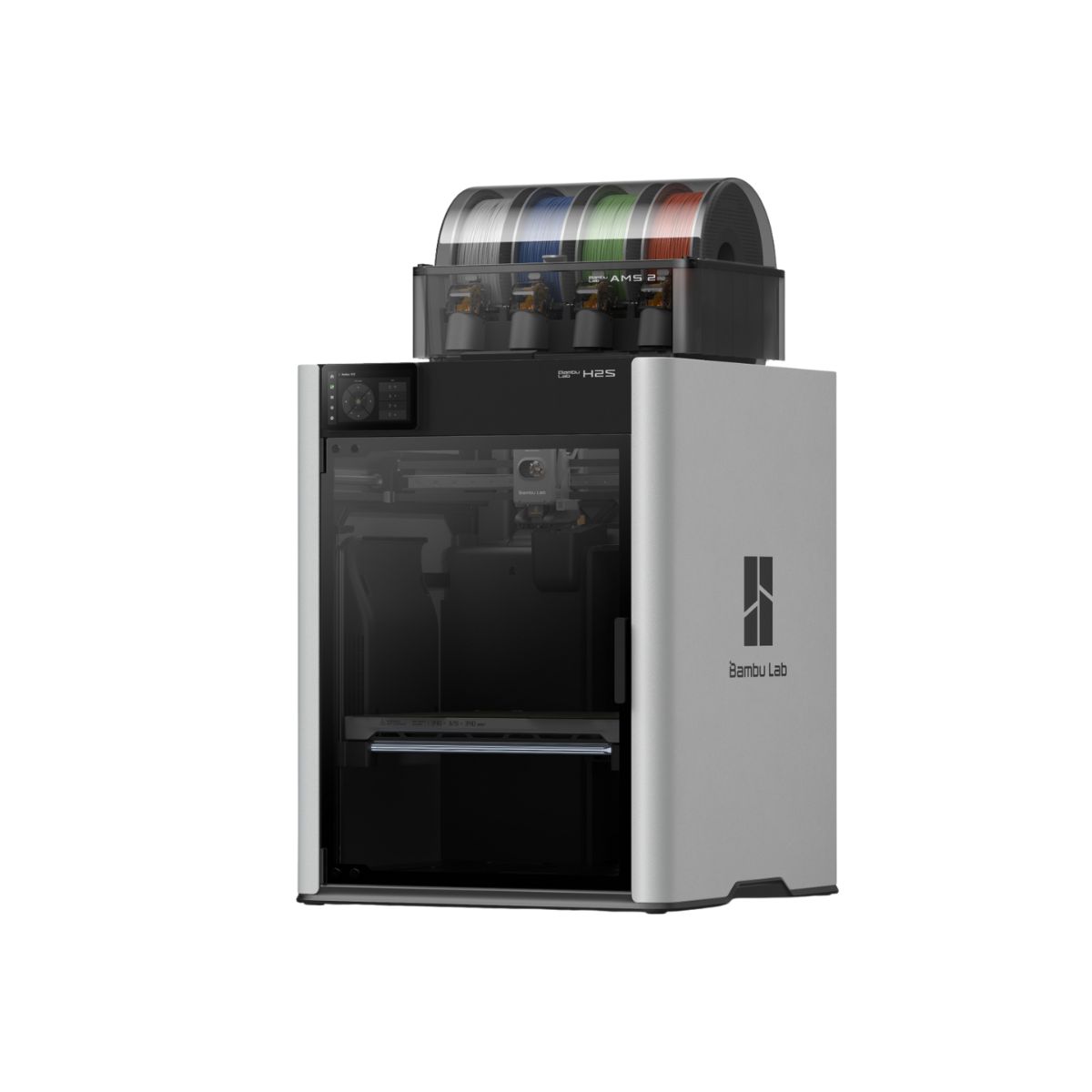
| Model | Bambu Lab H2S Combo |
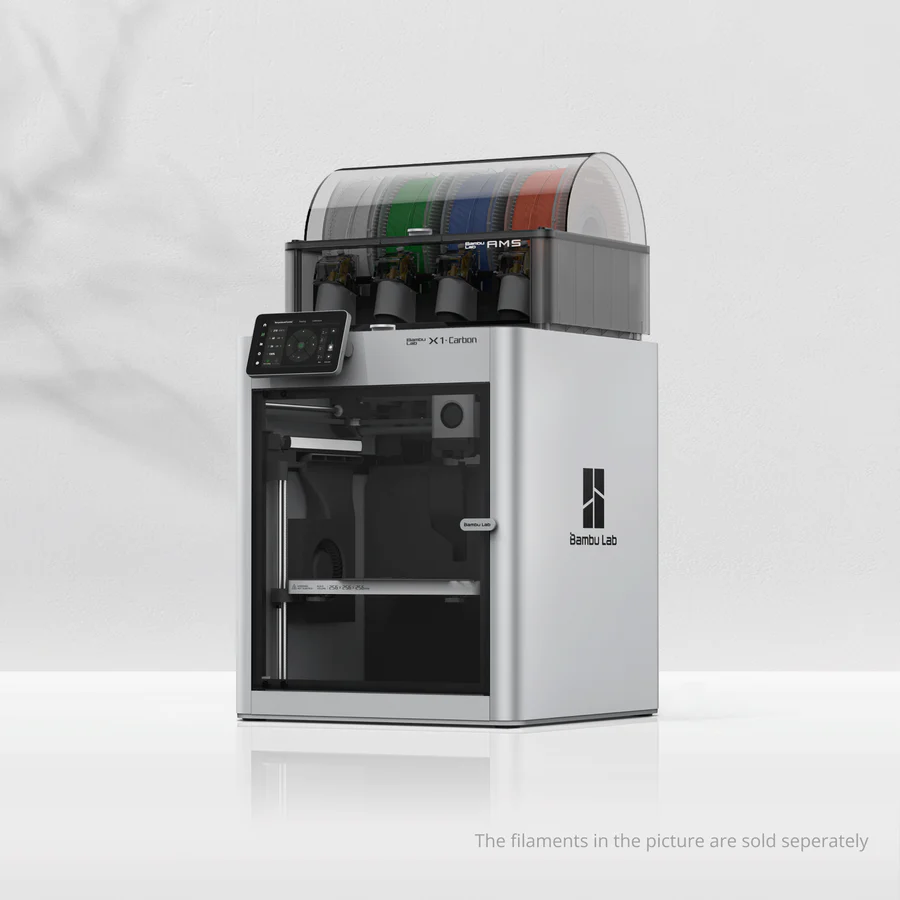
Bambu Lab X1 carbon |
| Printing Material | Filament | Filament |
| Estimated price | $1499,00 | $1449,00 |
| Date of registration in the system | ||
| Manufacturer | Bambu Lab | Bambu Lab |
| Release Year | 2025 | 2023 |
| Print Volume [mm] | 320x340x340 | 256x256x256 |
| Printer Size [mm] | 492x514x852 | 389x389x457 |
| Weight [kg] | 32,5 | 14,13 |
| Power Loss Recovery | YES | YES |
| Enclosed printer | YES | YES |
| Bed Leveling | Automatic | Automatic |
| Filament End Sensor | YES | YES |
| Bed type | Heated | Heated |
| Power supply system | Direct Drive | Direct Drive |
| Standard nozzle | 0,4 | 0,4 |
| Maximum Nozzle Temperature [°C] | 350 | 300 |
| Maximum Bed Temperature [°C] | 120 | 120 |
| Maximum printing speed [mm/s] | 1000 | 500 |
| Filament holder | YES | YES |
| Camera for supervision | YES | YES |
| Recommended filaments | ABS, PLA, PETG, PET, TPU, PA, ABS, ASA, PC, PLA-CF, PA-CF, PET-CF | PLA, PETG, TPU, PVA, PA, PA-CF, Nylon, PC |
| Recommended slicers | Bambu Studio | Bambu Studio, Super Slicer, Cura, Prusa Slicer, Orca |
| Maximum Resolution [mm] | 0,1 | 0,1 |
| Kinematics | - | - |
| Extruder Type | - | - |
| Klipper Firmware | NO | NO |
| Input Shaping | NO | NO |
| Max Volumetric Flow [mm³/s] | - | - |
| Power Supply | 330 W RMS | 350 W |
| Connectivity | USB, Wifi | Wifi, Bambu bus, Cartão SD |
| Release date | 2025 | 2023 |
| Extra features | Enclosed CoreXY (340Ã320Ã340 mm) with active chamber up to 65 °C, 350 °C hotend, 120 °C bed. <50 um precision (Vision Encoder) and Auto Hole/Contour Compensation. 3 cameras + 23 sensors with AI and pre-flight checks. AMS 2 Pro: drying with auto vent, spool rotation, and RFID; multicolor ready. Auto-leveling, active vibration compensation, high-torque servo extruder, and stabilized flow for high speed and top quality. | The Bambu Lab X1 Carbon revolutionizes 3D printing with stunning design, high print speeds, and a streamlined user experience. It stands out with its CoreXY system, a hotend capable of reaching 300°C, allowing for a wide range of filaments. Its LiDAR-assisted bed leveling system, vibration compensation, and AMS multicolor printing capability raise the industry standard. Print quality is impressive, with the ability to fine-tune for perfection. The X1 Carbon, with its closed build volume, not only promises but also delivers one of the most advanced 3D printing experiences available to consumers. |
| Support for multiple colors and materials (AMS and CFS) | YES | YES |
Notes * |
||
| Cost-benefit | 6 / 10 | 6 / 10 |
| Hardware | 7.2 / 10 | 6.3 / 10 |
| Screen | . | . |
| Print volume | 10 / 10 | 10 / 10 |
| Performance | 10 / 10 | 9 / 10 |
Conclusion |
Conclusion: Comparative Analysis of H2S Combo vs. X1 Carbon When evaluating the H2S Combo and the X1 Carbon from Bambu Lab, both models showcase remarkable advancements in FDM 3D printing technology. Each printer has its unique strengths and weaknesses, making them suitable for different user profiles. H2S Combo
X1 Carbon
Final Verdict: For users focused on larger projects, high speed, and advanced features, the H2S Combo is the clear choice. Its expanded build volume and capabilities make it ideal for professional users and hobbyists looking to push the boundaries of 3D printing. Conversely, the X1 Carbon is more suited for beginners or those with limited space who still desire high-quality prints. It offers a streamlined experience and sufficient versatility for most common printing needs, making it a fantastic option for everyday users. Ultimately, the best buy depends on your specific requirements: choose the H2S Combo for performance and capacity or the X1 Carbon for user-friendliness and compactness. |