
Compare BigTreeTech BIQU B1 vs Creality 3D LD0002H vs QIDI Q1 PRO
Comparison between the best 3D printers
Choose the best 3D printer at the best price. The cheapest 3D printers are here.
Buy a 3D printer here with 3D Fila.
 |
 |
 |
|
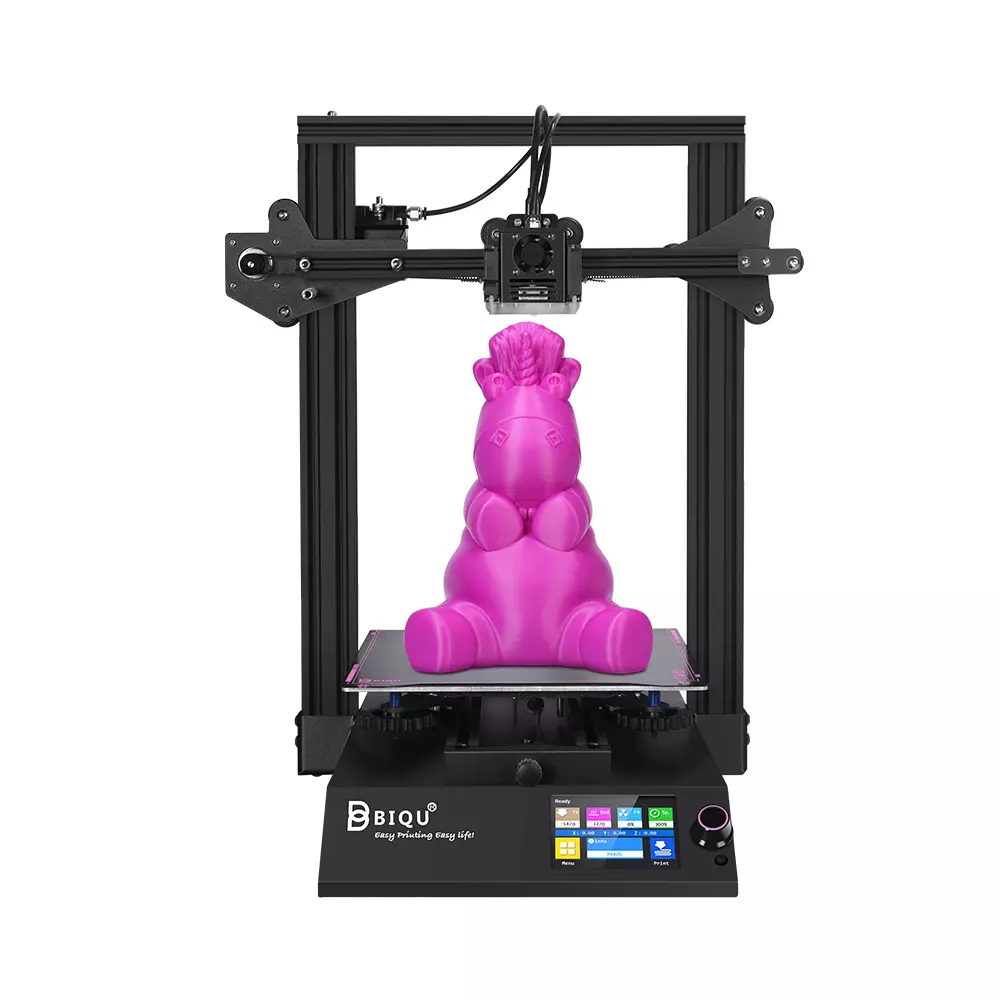
| Model | BigTreeTech BIQU B1 |
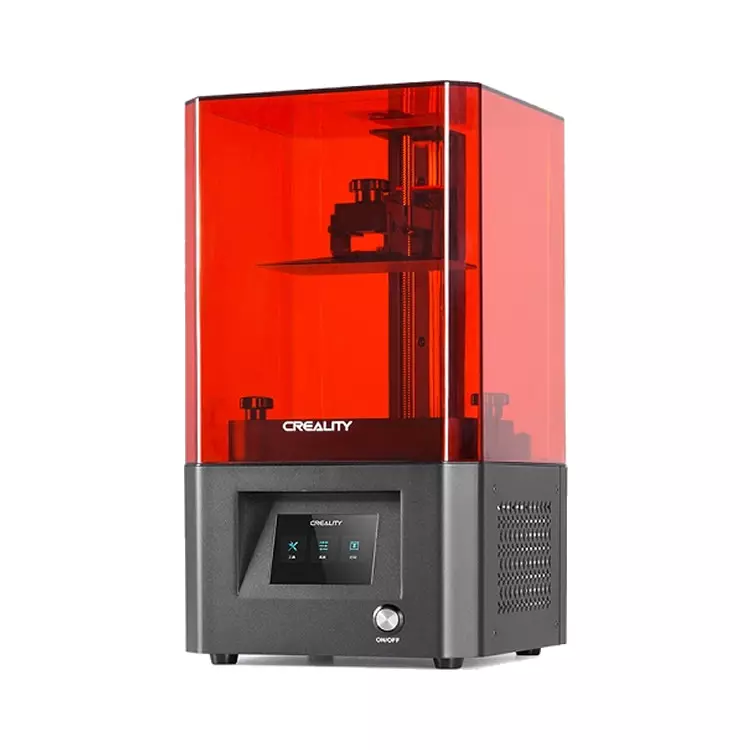
Creality 3D LD0002H[BUY LD0002H] |
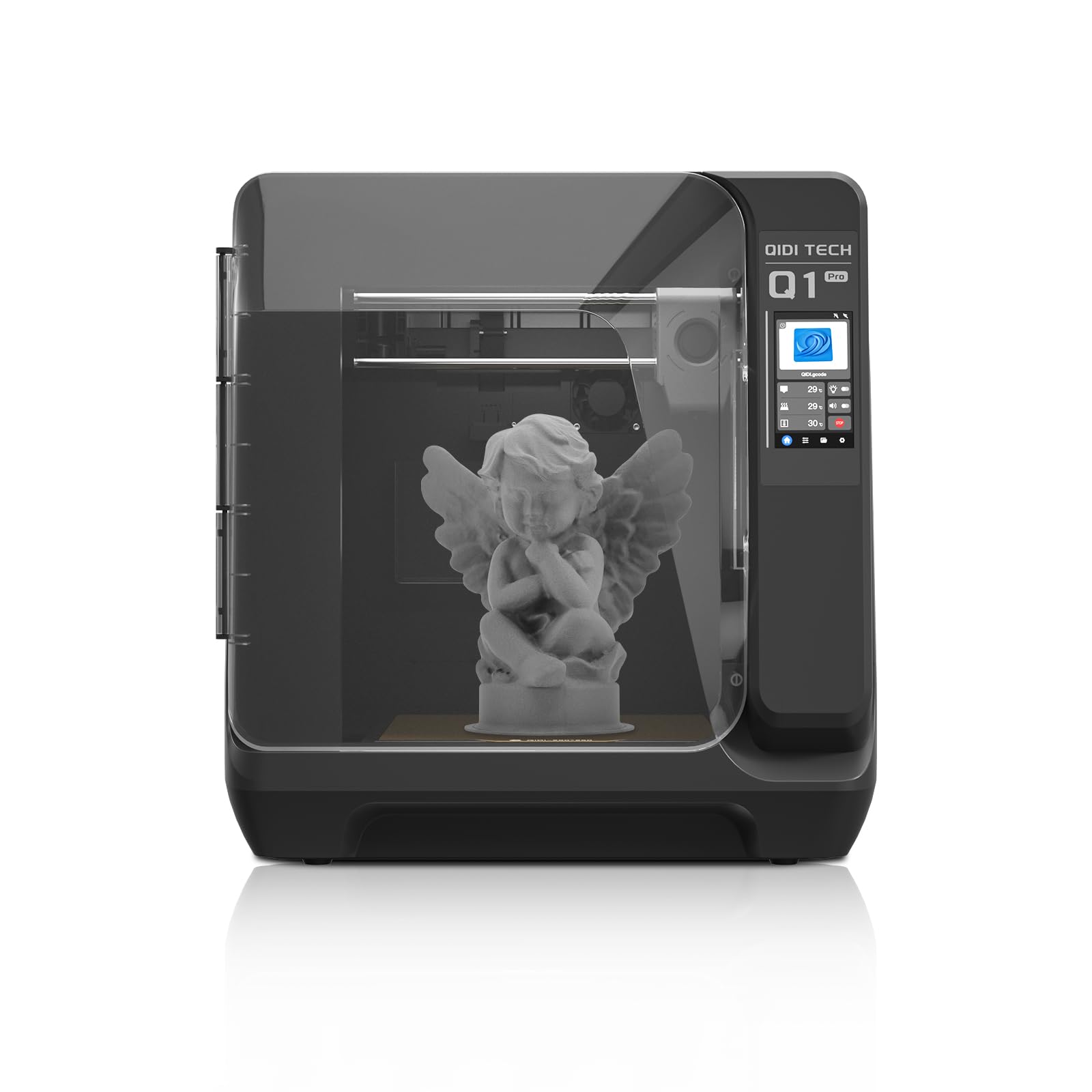
QIDI Q1 PRO[BUY Q1 PRO] |
| Printing Material | Filament | Resin | Filament |
| Estimated price | $269,00 | $230,00 | $449,00 |
| Date of registration in the system | |||
| Fabricante | BigTreeTech | Creality 3D | QIDI |
| Release Year | 2020 | 2021 | 2024 |
| Print Volume [mm] | 235x235x270 | 82x130x160 | 245x245x245 |
| Printer Size [mm] | 412x402x492 | 201x221x403 | 467x477x489 |
| Weight [kg] | 8,00 | 8,3 | 20 |
| Power Loss Recovery | YES | NO | YES |
| Maximum Resolution [mm] | 0,1 | 0,051 | 0,1 |
| Kinematics | - | - | - |
| Extruder Type | - | - | - |
| Klipper Firmware | NO | NO | NO |
| Input Shaping | NO | NO | NO |
| Max Volumetric Flow [mm³/s] | - | - | - |
| Power Supply | 24V / 360W | 40W | 350 W |
| Connectivity | SD / USB | SD | WiFi/USB Flash Drive/Ethernet Cable |
| Release date | 2020 | 2021 | 2024 |
| Extra features | The BIQU B1 is an advanced 3D printer with a silent 32-bit BTT SKR V1.4 motherboard and ARM Cortex-M3 CPU, offering DIY interfaces (I2C, SPI, WiFi) and dual Z-axis. Its dual BTT B1 TFT35 V3.0 operating system allows real-time monitoring and multiple printing modes, including G-code visualization effects. It stands out for its BIQU SSS (Super Spring Steel), ensuring easy model adhesion and simplified removal, with the possibility of using it on both sides. It includes a filament sensor, automatically pausing printing in case of filament breakage. The multicolored RGB lights integrated into the hotend allow you to view the printing status even at night. Additional notes include the need for a BIQU-specific Type-C cable and extra interfaces for smart filament sensor and BL Touch. | The Creality LD-002H stands out with its 130 x 82 x 160 mm print volume and 2K monochrome screen, increasing print speed and detail. It includes an air filtration system, a metalized print plate for better adhesion, and compatibility with the ChiTuBox slicer. With an intuitive touchscreen interface and linear guide on the Z axis, it ensures precision and ease of use. | The QIDI Q1 Pro 3D printer stands out for its Core XY structure and heating chambers that reach up to 60ºC, ideal for advanced materials such as ABS and Nylon. It features Klipper firmware, an automatic leveling system, a high-flow extruder with a double metal nozzle and a hotend that reaches 350ºC. It offers connectivity via Wi-Fi, USB and Ethernet, as well as a 1080p camera for remote monitoring and an intuitive touchscreen for easy operation. |
| Support for multiple colors and materials (AMS and CFS) | NO | NO | NO |
Notes * |
|||
| Cost-benefit | 8 / 10 | 8 / 10 | 8 / 10 |
| Hardware | 1 / 10 | 2 / 10 | 4.8 / 10 |
| Screen | . | . | . |
| Print volume | 10 / 10 | 10 / 10 | 10 / 10 |
| Performance | 6 / 10 | 5 / 10 | 10 / 10 |
| [BUY LD0002H] | [BUY Q1 PRO] |
Conclusion |
| In comparing the BIQU B1, Creality LD-002H, and QIDI Q1 Pro 3D printers, distinct strengths and weaknesses emerge, helping prospective buyers make informed decisions based on their specific needs and budget constraints. The **BIQU B1** offers a solid balance between features and affordability. It presents a respectable print volume and beneficial features like power loss recovery, making it suitable for hobbyists aiming for versatility and reliability. However, its performance ratings suggest it may not excel in high-precision applications compared to its counterparts. The **Creality LD-002H**, positioned as the most budget-friendly option, shines with its detailed print capabilities, particularly thanks to the 2K monochrome screen. It emphasizes ease of use with its touch interface and efficient airflow management, making it a great choice for beginners or those focused on resin printing with limited space. Despite its smaller print volume, it delivers impressive speed and is lauded for its performance. On the higher end, the **QIDI Q1 Pro** stands out with advanced features that cater to experienced users. Its robust structure, ability to process higher-temperature materials, and versatile connectivity options make it appealing for professional projects. The presence of Klipper firmware and a remote monitoring camera further enhance its usability. However, this printer comes at a significantly higher price point, which may deter budget-conscious buyers. In conclusion, if you're seeking cost-effective entry into 3D printing, the **LD-002H** is the clear winner. For users who require more advanced capabilities and larger print volumes, the **QIDI Q1 Pro** offers significant value despite the higher cost. The **BIQU B1** serves as a middle-ground option, providing a decent cost-benefit ratio for those who need features like power loss recovery without venturing into the premium pricing range. Ultimately, the best choice hinges on individual needs regarding print volume, materials, and additional features. |