

Compare Bambu Lab P2S Combo vs Bambu Lab H2D
Comparison between the best 3D printers
Choose the best 3D printer at the best price. The cheapest 3D printers are here.
Buy a 3D printer here with 3D Fila.
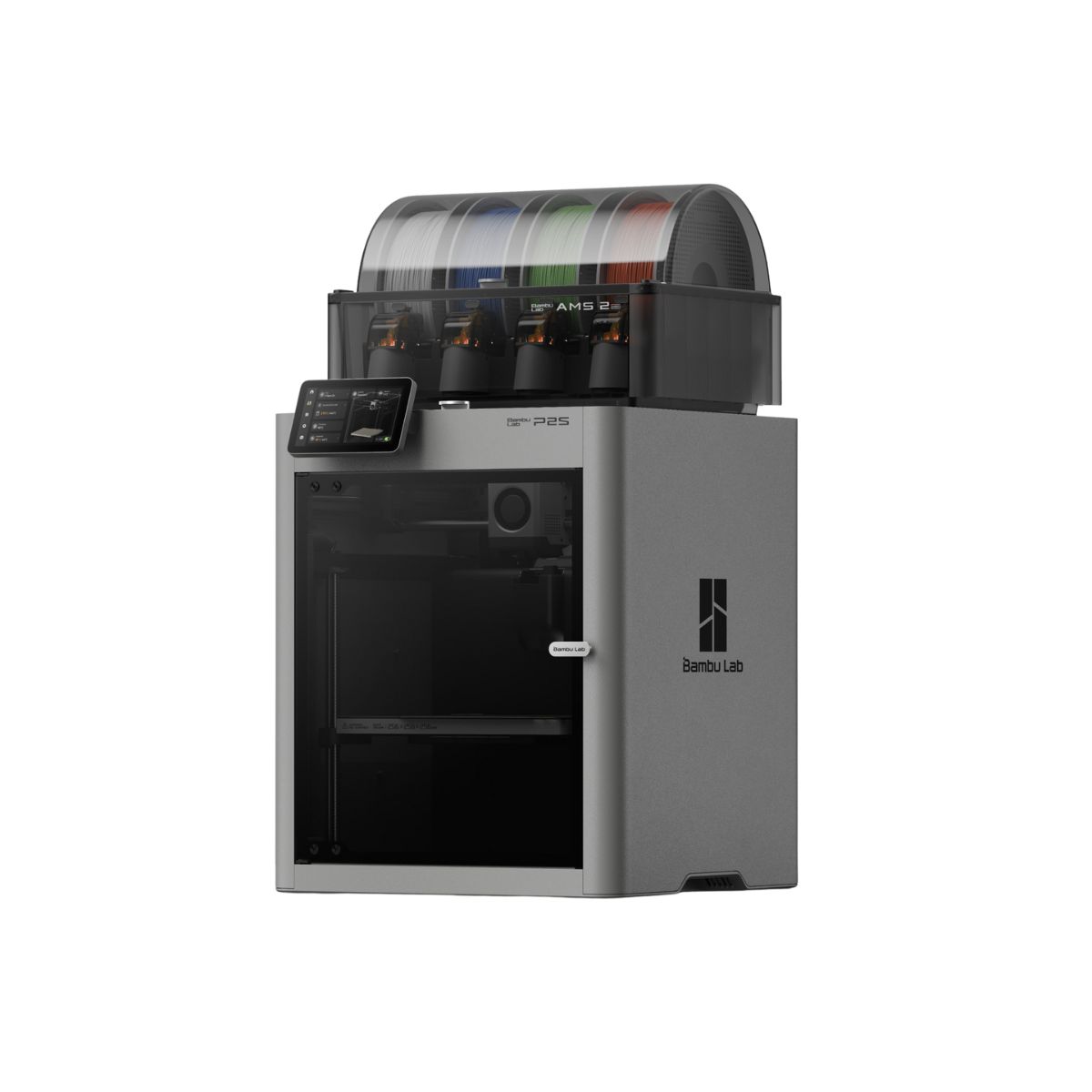 |
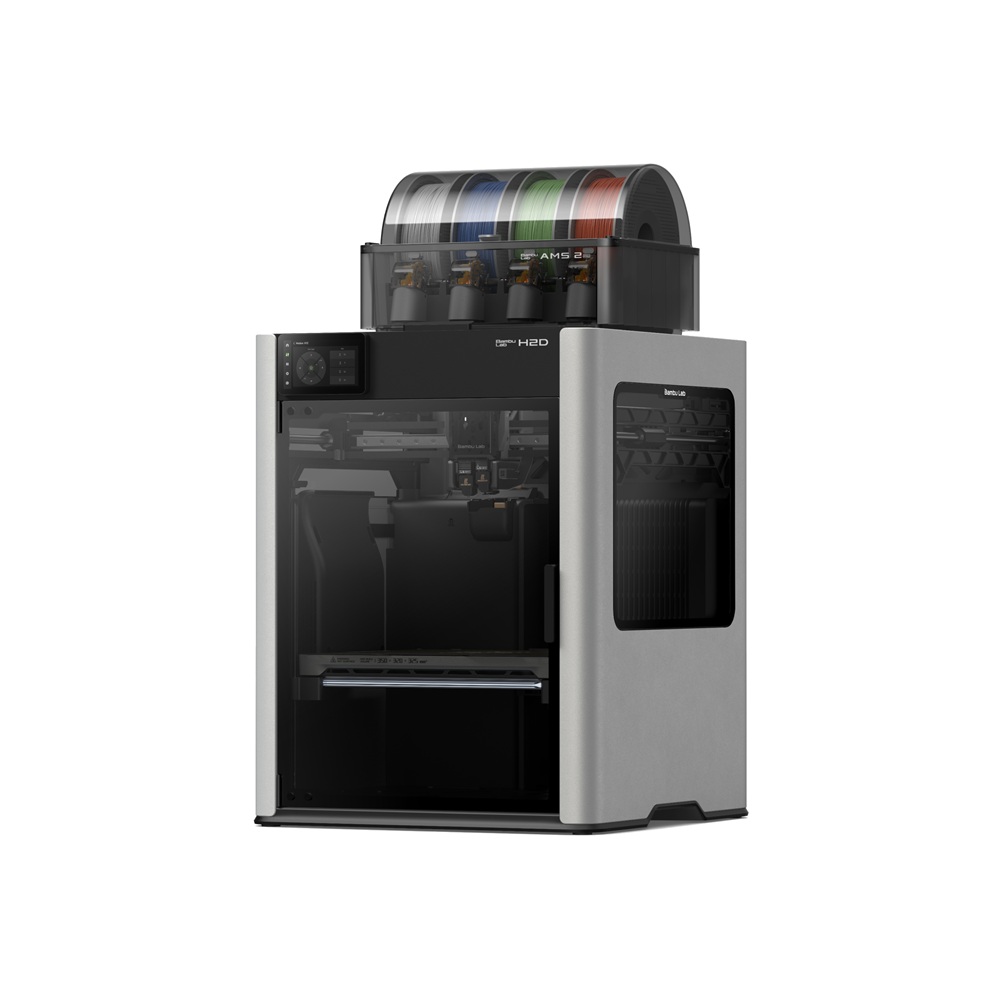 |
|
| Model | Bambu Lab P2S Combo |
Bambu Lab H2D |
| Printing Material | Filament | Filament |
| Estimated price | $799,00 | $1899,00 |
| Date of registration in the system | ||
| Manufacturer | Bambu Lab | Bambu Lab |
| Release Year | 2025 | 2025 |
| Print Volume [mm] | 256x256x256 | 350x320x325 |
| Printer Size [mm] | 406x478x392 | 492x514x626 |
| Weight [kg] | 14,9 | 42,3 |
| Power Loss Recovery | YES | YES |
| Enclosed printer | YES | YES |
| Bed Leveling | Automatic | Automatic |
| Filament End Sensor | YES | YES |
| Bed type | Heated | Heated |
| Power supply system | Direct Drive | Direct Drive |
| Standard nozzle | 1,75 | 0,4 |
| Maximum Nozzle Temperature [°C] | 300 | 350 |
| Maximum Bed Temperature [°C] | 110 | 120 |
| Maximum printing speed [mm/s] | 600 | 600 |
| Filament holder | YES | YES |
| Camera for supervision | YES | YES |
| Recommended filaments | PLA, TPU, TPE, HIPS, ABS, PETG, WOOD, PC, PA, PVA, ASA, PC ABS, PLA CF | PLA, PETG, ABS, ASA, TPU, PVA, Nylon (PA) |
| Recommended slicers | Bambu Studio | Bambu Studio |
| Maximum Resolution [mm] | 0,1 | 0,01 |
| Kinematics | - | - |
| Extruder Type | - | - |
| Klipper Firmware | NO | NO |
| Input Shaping | NO | NO |
| Max Volumetric Flow [mm³/s] | - | - |
| Power Supply | Max 1200 W @ 220 V / 1000 W @ 110 V | |
| Connectivity | USB, Wifi | Wifi, Bambu bus, Cartão SD |
| Release date | 2025 | 2025 |
| Extra features | A refined CoreXY (256³) with 5" touchscreen, 1080p camera, AI error detection, auto flow-dynamics, and a PMSM servo extruder (up to 8.5 kg). 30-second quick-swap hotend and hardened-steel path for fiber-filled filaments. Adaptive Airflow keeps PLA overhangs clean with the door closed and supports ~50 °C chamber for engineering. AMS 2 Pro included: multi-color printing plus active venting filament drying. | Bambu Labâs H2D combines high-speed 3D printing with a chamber heated up to 65 °C, dual extrusion with automatic nozzle switching, an AMS for filament drying and exchange, and AI sensors that detect failures. It offers optional laser and digital cutting capabilities, features intelligent calibration through computer vision, vibration control, enhanced fire safety, and real-time camera monitoring. |
| Support for multiple colors and materials (AMS and CFS) | YES | YES |
Notes * |
||
| Cost-benefit | 7 / 10 | 6 / 10 |
| Hardware | 7.2 / 10 | 8.1 / 10 |
| Screen | . | . |
| Print volume | 10 / 10 | 10 / 10 |
| Performance | 10 / 10 | 10 / 10 |
Conclusion |
Conclusion: Comparison of the P2S Combo and H2D 3D Printers When evaluating the P2S Combo and H2D models from Bambu Lab, both printers showcase advanced features and high-speed FDM technology, making them excellent choices for different user profiles. Below is a detailed comparison of their pros and cons: P2S Combo (Bambu Lab)
H2D (Bambu Lab)
Final Verdict: Choosing the best 3D printer depends largely on the user's needs and experience level:
Ultimately, both printers have their distinct advantages, and the choice should align with the user's specific printing needs and budget considerations. |