
Compare Creality 3D K1C vs QIDI Q1 PRO
Comparison between the best 3D printers
Choose the best 3D printer at the best price. The cheapest 3D printers are here.
Buy a 3D printer here with 3D Fila.
 |
 |
|
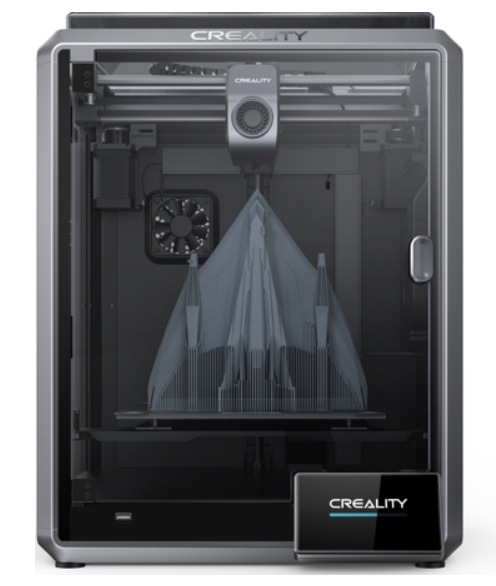
| Model | Creality 3D K1C[BUY K1C] |
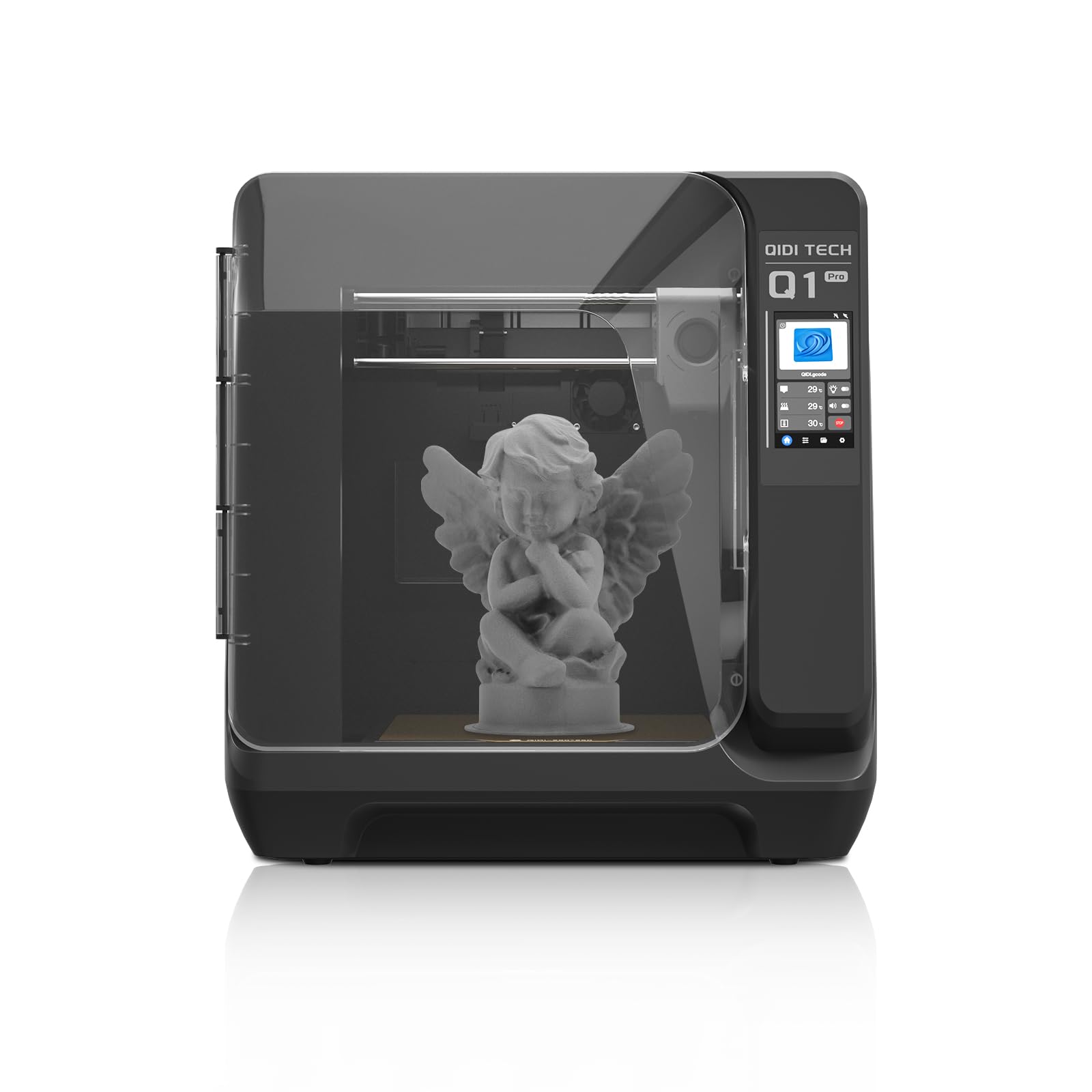
QIDI Q1 PRO[BUY Q1 PRO] |
| Printing Material | Filament | Filament |
| Estimated price | $449,00 | $449,00 |
| Date of registration in the system | ||
| Manufacturer | Creality 3D | QIDI |
| Release Year | 2024 | 2024 |
| Print Volume [mm] | 220x220x250 | 245x245x245 |
| Printer Size [mm] | 355x355x480 | 467x477x489 |
| Weight [kg] | 12,4 | 20 |
| Power Loss Recovery | YES | YES |
| Enclosed printer | YES | YES |
| Bed Leveling | Automatic | Automatic |
| Filament End Sensor | YES | YES |
| Bed type | Heated | Heated |
| Power supply system | Direct Drive | Direct Drive |
| Standard nozzle | 0,4 | 0,4 |
| Maximum Nozzle Temperature [°C] | 300 | 350 |
| Maximum Bed Temperature [°C] | 120 | 120 |
| Maximum printing speed [mm/s] | 600 | 600 |
| Filament holder | YES | YES |
| Camera for supervision | YES | YES |
| Recommended filaments | ABS, PLA, PETG, PET, TPU, PA, ABS, ASA, PC, PLA-CF, PA-CF, PET-CF | PLAã€ABSã€ASAã€PETGã€TPUã€PCã€PAã€PA-CFã€PET-CFã€PAHT-CF etc. |
| Recommended slicers | Creality Print; Cura, Simplify3D e PrusaSlicer | QIDI Slicer/Cura/Simplify 3D/ORCA/PRUSA Slicer |
| Maximum Resolution [mm] | 0,1 | 0,1 |
| Kinematics | - | - |
| Extruder Type | - | - |
| Klipper Firmware | NO | NO |
| Input Shaping | NO | NO |
| Max Volumetric Flow [mm³/s] | - | - |
| Power Supply | 110/220V / 350W | 350 W |
| Connectivity | Ethernet / USB / Wi-Fi | WiFi/USB Flash Drive/Ethernet Cable |
| Release date | 2024 | 2024 |
| Extra features | The Creality K1C is a fully enclosed CoreXY 3D printer featuring an all-metal extruder, tri-metal âUnicornâ nozzle for abrasive materials, automatic bed leveling with nozzle cleaning, AI-assisted failure detection, built-in camera for timelapse, enhanced cooling system, root access to Klipper firmware, and compatibility with PLA-CF, PA-CF, PET-CF, TPU, ABS, and more. | The QIDI Q1 Pro 3D printer stands out for its Core XY structure and heating chambers that reach up to 60ºC, ideal for advanced materials such as ABS and Nylon. It features Klipper firmware, an automatic leveling system, a high-flow extruder with a double metal nozzle and a hotend that reaches 350ºC. It offers connectivity via Wi-Fi, USB and Ethernet, as well as a 1080p camera for remote monitoring and an intuitive touchscreen for easy operation. |
| Support for multiple colors and materials (AMS and CFS) | NO | NO |
Notes * |
||
| Cost-benefit | 8 / 10 | 8 / 10 |
| Hardware | 4.8 / 10 | 4.8 / 10 |
| Screen | . | . |
| Print volume | 10 / 10 | 10 / 10 |
| Performance | 10 / 10 | 10 / 10 |
| [BUY K1C] | [BUY Q1 PRO] |
Conclusion |
| In comparing the Creality K1C and the QIDI Q1 Pro, both printers offer robust features and specifications aimed at fulfilling various printing needs, all while maintaining the same price point. The K1C has a slightly smaller print volume but benefits from an all-metal extruder and advanced cooling systems, making it versatile for a range of materials including specialized carbon fiber filaments. Its automatic bed leveling and AI-assisted failure detection further enhance user experience, especially for beginners. On the other hand, the QIDI Q1 Pro boasts a larger print volume and higher maximum nozzle temperature, which allows it to handle more advanced materials such as nylon. The inclusion of a 1080p camera for remote monitoring and a well-organized connection system might appeal to more advanced users looking for greater oversight and flexibility in their projects. Both printers are enclosed and share similar automatic leveling functions and connectivity options, making them suitable for both hobbyists and professionals. Ultimately, the choice between the two may come down to specific needs regarding material compatibility and print volume, as well as brand preference. Each printer rates similarly in terms of cost-benefit and hardware performance, indicating that either choice offers strong value in the current 3D printing market. |