
Compare Bambu Lab H2S Combo vs Bambu Lab A1
Comparison between the best 3D printers
Choose the best 3D printer at the best price. The cheapest 3D printers are here.
Buy a 3D printer here with 3D Fila.
 |
 |
|
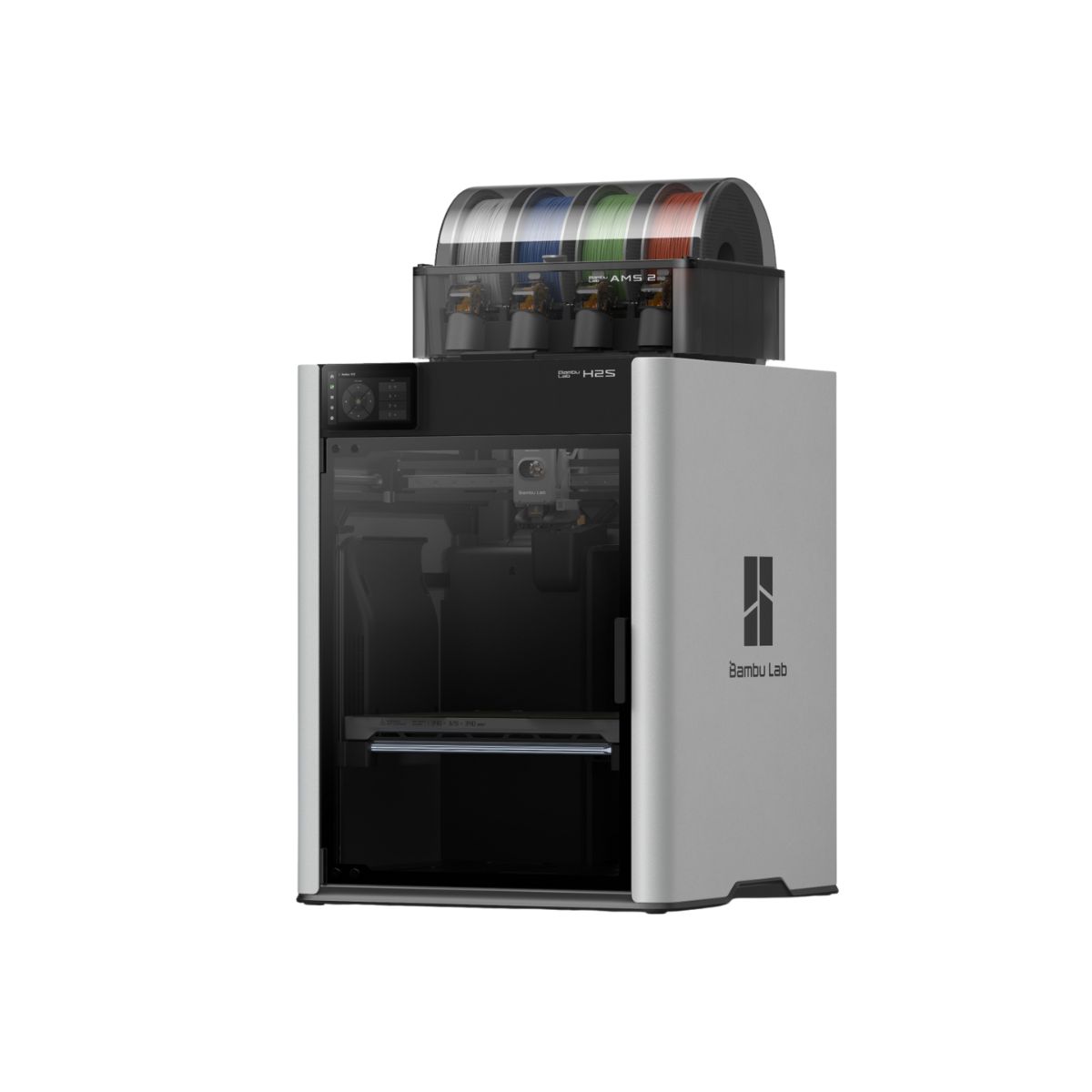
| Model | Bambu Lab H2S Combo |
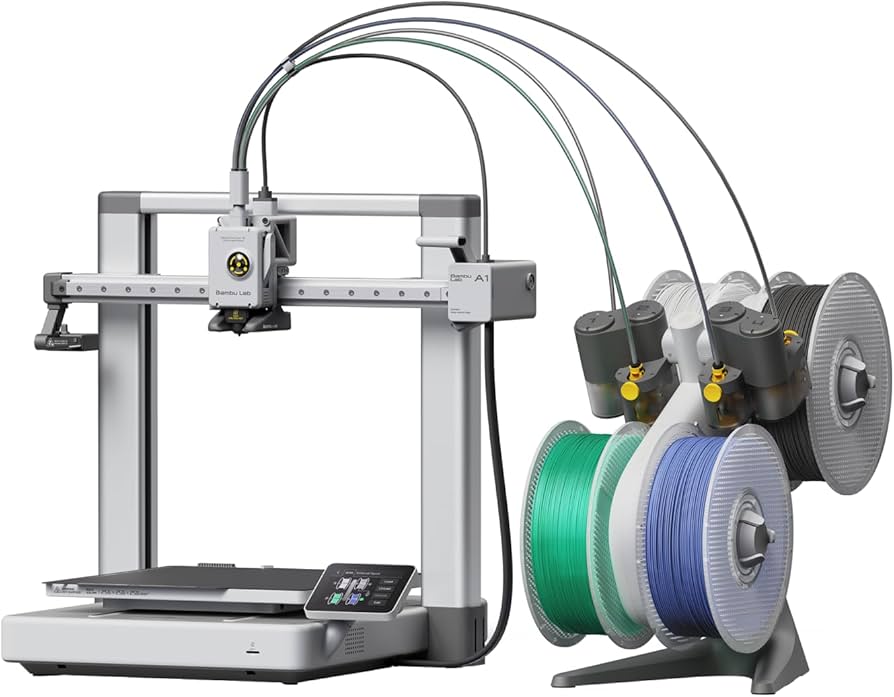
Bambu Lab A1[BUY A1] |
| Printing Material | Filament | Filament |
| Estimated price | $1499,00 | $700,00 |
| Date of registration in the system | ||
| Manufacturer | Bambu Lab | Bambu Lab |
| Release Year | 2025 | 2023 |
| Print Volume [mm] | 320x340x340 | 256x256x256 |
| Printer Size [mm] | 492x514x852 | 385x410x430 |
| Weight [kg] | 32,5 | 8,3 |
| Power Loss Recovery | YES | YES |
| Enclosed printer | YES | NO |
| Bed Leveling | Automatic | Automatic |
| Filament End Sensor | YES | YES |
| Bed type | Heated | Heated |
| Power supply system | Direct Drive | Direct Drive |
| Standard nozzle | 0,4 | 0,4 |
| Maximum Nozzle Temperature [°C] | 350 | 300 |
| Maximum Bed Temperature [°C] | 120 | 100 |
| Maximum printing speed [mm/s] | 1000 | 500 |
| Filament holder | YES | YES |
| Camera for supervision | YES | YES |
| Recommended filaments | ABS, PLA, PETG, PET, TPU, PA, ABS, ASA, PC, PLA-CF, PA-CF, PET-CF | PLA, PETG, TPU, PVA |
| Recommended slicers | Bambu Studio | SuperSlicer, PrusaSlicer, Cura, OrcaSlicer |
| Maximum Resolution [mm] | 0,1 | 0,1 |
| Kinematics | - | - |
| Extruder Type | - | - |
| Klipper Firmware | NO | NO |
| Input Shaping | NO | NO |
| Max Volumetric Flow [mm³/s] | - | - |
| Power Supply | 330 W RMS | 350 W |
| Connectivity | USB, Wifi | Wi-Fi, Bambu-Bus, Cartão Micro SD |
| Release date | 2025 | 2023 |
| Extra features | Enclosed CoreXY (340Ã320Ã340 mm) with active chamber up to 65 °C, 350 °C hotend, 120 °C bed. <50 um precision (Vision Encoder) and Auto Hole/Contour Compensation. 3 cameras + 23 sensors with AI and pre-flight checks. AMS 2 Pro: drying with auto vent, spool rotation, and RFID; multicolor ready. Auto-leveling, active vibration compensation, high-torque servo extruder, and stabilized flow for high speed and top quality. | The BambuLab A1 printer features fully automatic calibration, multi-color printing with the AMS system, active flow rate compensation, quick nozzle change with a clip, active motor noise cancellation, a build volume of 256x256x256 mm³, a maximum extruder temperature of 300°C, and a heated bed of up to 100°C. In addition, it has high precision, a machine health management system and an intuitive 3.5-inch touchscreen interface. |
| Support for multiple colors and materials (AMS and CFS) | YES | YES |
Notes * |
||
| Cost-benefit | 6 / 10 | 7 / 10 |
| Hardware | 7.2 / 10 | 5.6 / 10 |
| Screen | . | . |
| Print volume | 10 / 10 | 10 / 10 |
| Performance | 10 / 10 | 9 / 10 |
| [BUY A1] |
Conclusion |
Conclusion: Comparative Review of H2S Combo and A1 3D Printers When evaluating the H2S Combo and A1 from Bambu Lab, it is essential to consider the unique features, performance capabilities, and user requirements for each model. Both printers bring innovative technology to the table, but they cater to different user profiles. H2S Combo (Bambu Lab)
A1 (Bambu Lab)
Final Verdict For users seeking a professional-grade 3D printer capable of handling large projects with high-speed capabilities, the H2S Combo is undoubtedly the superior choice. Its advanced features and enclosed design make it suitable for a wide range of materials and provide unmatched precision. Conversely, the A1 is an excellent option for hobbyists or those new to 3D printing. Its affordability and user-friendly features make it accessible for casual users or educational environments. However, the smaller build volume and lower print speed may not satisfy more demanding projects. In conclusion, your choice should align with your specific needs: if you prioritize speed, build volume, and advanced features, go for the H2S Combo; if you are looking for an entry-level printer that offers solid performance at an affordable price, the A1 is the best buy. |