
Compare Creality 3D Ender 3 vs Creality Ender 3 V3 SE vs Anet A8 V2
Comparison between the best 3D printers
Choose the best 3D printer at the best price. The cheapest 3D printers are here.
Buy a 3D printer here with 3D Fila.
 |
 |
 |
|
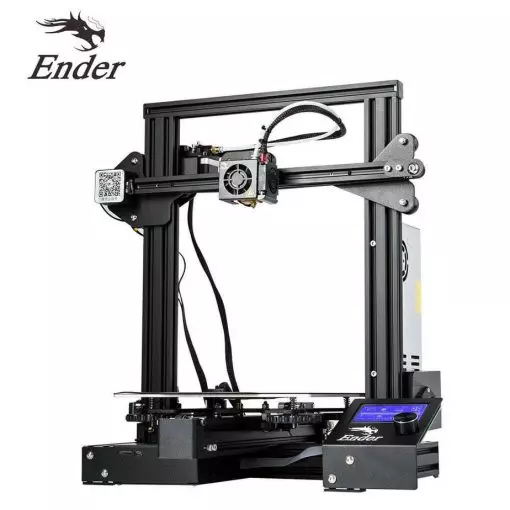
| Model | Creality 3D Ender 3[BUY Ender 3] |
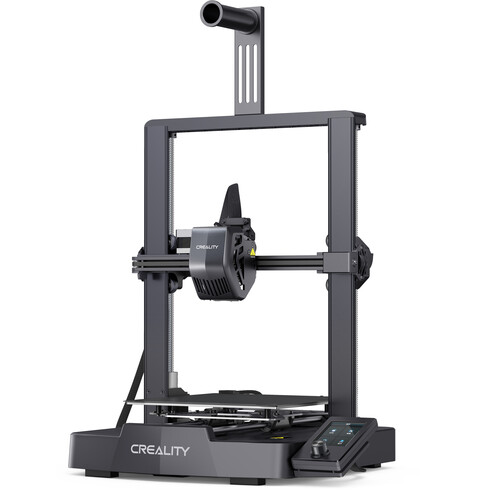
Creality Ender 3 V3 SE[BUY Ender 3 V3 SE] |
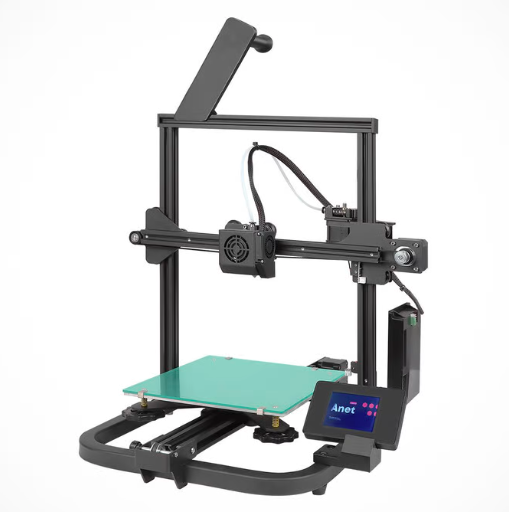
Anet A8 V2 |
| Printing Material | Filament | Filament | Filament |
| Estimated price | $210,00 | $199,00 | $129,00 |
| Fabricante | Creality 3D | Creality | Anet |
| Release Year | 2018 | 2023 | 2021 |
| Print Volume [mm] | 220x220x250 | 220x220x250 | 220x220x250 |
| Printer Size [mm] | 440x440x465 | 420x366x490 | 428x441x486 |
| Weight [kg] | 6,62 | 7,34 | 6,2 |
| Power Loss Recovery | NO | NO | NO |
| Enclosed printer | NO | NO | NO |
| Bed Leveling | Manual | Automatic | Manual |
| Filament End Sensor | NO | NO | NO |
| Bed type | Heated | Heated | |
| Power supply system | Bowden | Direct Drive | Bowden |
| Standard nozzle | 0,4 | 0,4 | 0,4 |
| Maximum Nozzle Temperature [°C] | 255 | 260 | 230 |
| Maximum Bed Temperature [°C] | 110 | 100 | |
| Maximum printing speed [mm/s] | 180 | 250 | 150 |
| Filament holder | YES | YES | YES |
| Camera for supervision | NO | NO | NO |
| Recommended filaments | PLA, TPU, ABS, PETG | PLA, PETG e TPU (95A+) | PLA |
| Recommended slicers | Cura, Simplify, Slic3r | Creality Print, Cura 5.0 ou superior, Prusa Slicer, Orca | Cura, Simplify, Slic3r, IdeaMaker |
| Maximum Resolution [mm] | 0,1 | 0,1 | 0,1 |
| Processor | 8 bits | 32-bit Silenciosa | |
| Display | Mono | 3,2'' + Knob | Display touchscreen 2,8'' |
| Power Supply | 24V / 270W | 350 W | 110/220V / 250W |
| Connectivity | SD / USB | SD | SD / USB |
| Operating systems | Windows, Mac, Linux | Windows, Linux, Macbook | Windows, Mac, Linux |
| Date of registration in the system | 2021-04-13 | 2024-03-06 | 2022-11-10 |
| Release date | 2018 | 2023 | 2021 |
| Extra features | The Ender 3 V1 is a DIY assembly 3D printer, a sales leader since 2017, standing out for its cost-benefit. With a wide printing capacity, it has a CNC machined structure for precision and stability. It offers high-precision prints with low noise, thanks to its innovative V-profile and pulleys. It has a self-adhesive magnetic platform for easy removal of models and excellent adhesion. The Ender 3 heats up quickly, reaching 100°C in 5 minutes, ideal for agile prints. It includes protection against power failures, allowing you to resume printing after interruptions, saving time and material. | The Ender 3 V3 SE stands out for its easy assembly, excellent automatic bed leveling, direct extrusion and easy interface, ideal for beginners. Although it uses a coated PC board, it offers robust performance, with print speeds of up to 250mm/s, thanks to a solid construction and linear rods on the Y axis. It lacks Wi-Fi, preferring file transfer via SD card. | The Anet A8 V2 is a Cartesian-XZ type 3D printer with a build volume of 220 x 220 x 250 mm, Ender 3 design and V-slot assembly. It has a 32-bit motherboard and touchscreen interface, promising ease of use. It uses open source firmware and has thermal failure protection. It stands out for its cable organization and the absence of a heated bed, focusing on energy savings and PLA printing. It comes with an external power adapter, aiming at greater safety, especially for beginners and educational use. |
| Support for multiple colors and materials (AMS and CFS) | NO | NO | NO |
Notes * |
|||
| Cost-benefit | 6 / 10 | 7 / 10 | 6 / 10 |
| Hardware | 0.5 / 10 | 0.7 / 10 | 0.5 / 10 |
| Screen | . | . | . |
| Print volume | 3 / 10 | 3 / 10 | 3 / 10 |
| Performance | 1 / 10 | 2 / 10 | 1 / 10 |
| [BUY Ender 3] | [BUY Ender 3 V3 SE] |
Conclusion |
| In comparing the three 3D printers—Ender 3, Ender 3 V3 SE, and A8 V2—several factors emerge that highlight their strengths and weaknesses, allowing potential buyers to make an informed decision. **Ender 3** remains a solid choice with its established reputation for cost-effectiveness and reliability in producing high-quality prints. It boasts a robust structure, ease of use, and the ability to achieve high precision. However, it lacks some modern features, such as automatic bed leveling and advanced display options, which could be a deciding factor for novices and advanced users alike. **Ender 3 V3 SE**, released most recently, distinguishes itself with automatic bed leveling and a direct drive system, enhancing user experience, especially for those new to 3D printing. Its higher print speeds also make it attractive for users looking to reduce printing time. Despite its additional capabilities, it comes at a slightly higher price, raising questions about whether the benefits justify the cost for all users. **A8 V2**, the most affordable option, appeals to budget-conscious buyers and those who primarily print in PLA. However, its manual bed leveling and the absence of certain advanced features, like a heated bed and improved display interface, may limit its functionality and overall performance compared to the other two models. In conclusion, if budget is the primary concern, the A8 V2 presents a viable entry point into 3D printing, though with limitations. The Ender 3 offers a balanced mix of performance and features at a moderate price, making it suitable for a wide audience. Meanwhile, the Ender 3 V3 SE stands out for those willing to invest a bit more for advanced features and improved usability, making it the ideal option for both beginners and experienced users looking to maximize their printing capabilities. Ultimately, the best choice depends on individual needs and budget constraints, with each model presenting distinct advantages suited to different levels of expertise and project requirements. |