
Compare BigTreeTech BIQU B1 vs Anycubic Photon vs Anycubic Kobra
Comparison between the best 3D printers
Choose the best 3D printer at the best price. The cheapest 3D printers are here.
Buy a 3D printer here with 3D Fila.
 |
 |
 |
|
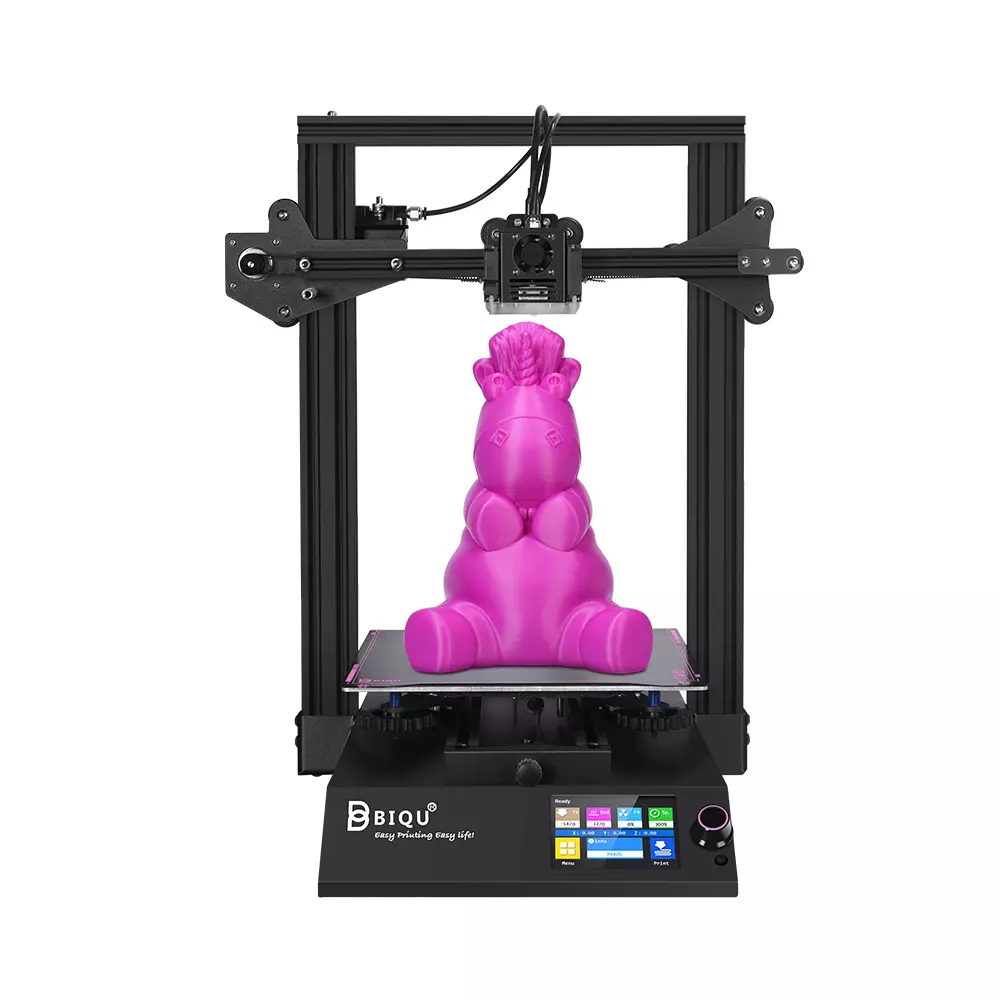
| Model | BigTreeTech BIQU B1 |
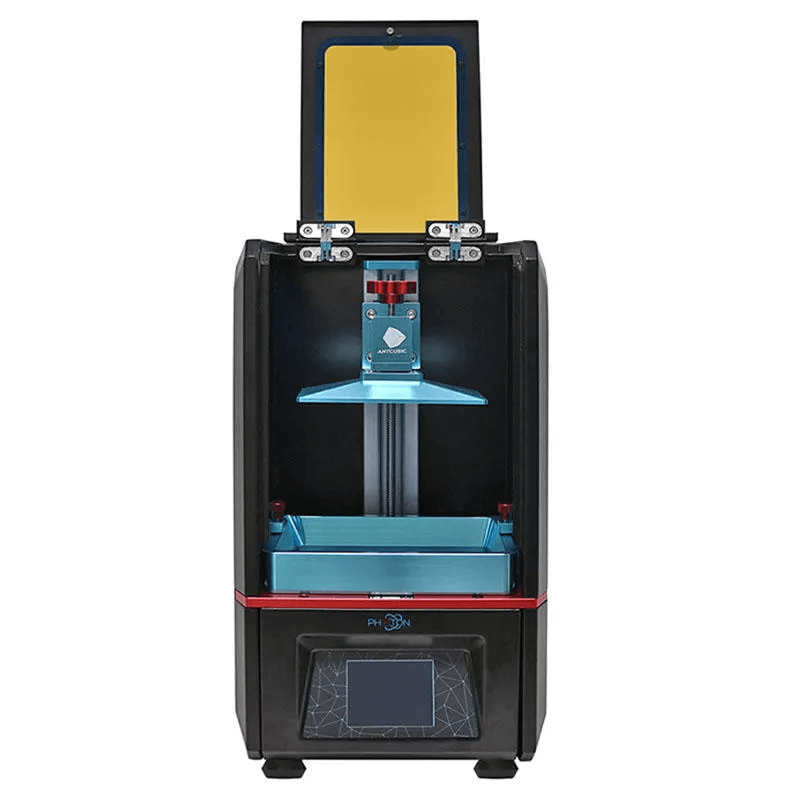
Anycubic Photon |
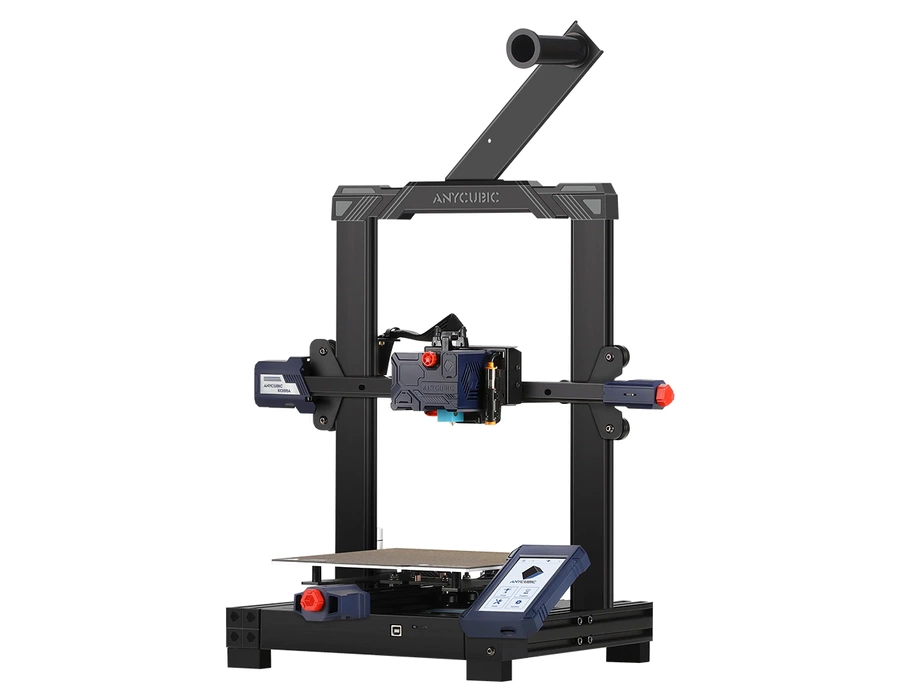
Anycubic Kobra |
| Printing Material | Filament | Resin | Filament |
| Estimated price | $269,00 | $100,00 | $259,00 |
| Date of registration in the system | |||
| Fabricante | BigTreeTech | Anycubic | Anycubic |
| Release Year | 2020 | 2019 | 2022 |
| Print Volume [mm] | 235x235x270 | 65x115x155 | 220x220x250 |
| Printer Size [mm] | 412x402x492 | 220x200x400 | 486x430x486 |
| Weight [kg] | 8,00 | 7,2 | 7 |
| Power Loss Recovery | YES | NO | YES |
| Maximum Resolution [mm] | 0,1 | 0,1 | |
| Kinematics | - | - | - |
| Extruder Type | - | - | - |
| Klipper Firmware | NO | NO | NO |
| Input Shaping | NO | NO | NO |
| Max Volumetric Flow [mm³/s] | - | - | - |
| Power Supply | 24V / 360W | 40W | 110/220V / 400W |
| Connectivity | SD / USB | USB | SD / USB |
| Release date | 2020 | 2019 | 2022 |
| Extra features | The BIQU B1 is an advanced 3D printer with a silent 32-bit BTT SKR V1.4 motherboard and ARM Cortex-M3 CPU, offering DIY interfaces (I2C, SPI, WiFi) and dual Z-axis. Its dual BTT B1 TFT35 V3.0 operating system allows real-time monitoring and multiple printing modes, including G-code visualization effects. It stands out for its BIQU SSS (Super Spring Steel), ensuring easy model adhesion and simplified removal, with the possibility of using it on both sides. It includes a filament sensor, automatically pausing printing in case of filament breakage. The multicolored RGB lights integrated into the hotend allow you to view the printing status even at night. Additional notes include the need for a BIQU-specific Type-C cable and extra interfaces for smart filament sensor and BL Touch. | The Anycubic Photon DLP is a resin 3D printer that stands out for its affordability and quality. It uses DLP (Digital Light Processing) technology to cure resin layers with precision, offering resolution of 25-100 microns. Its build volume is 115 x 65 x 155 mm, suitable for modest-sized projects. It includes a 2.8-inch touchscreen, USB and SD card connectivity, and a carbon filter to mitigate odors. It is notable for generating efficient support structures through its custom slicing software. Although it requires care in resin handling and post-processing, it is an excellent option for beginners and professionals who want to explore resin 3D printing with high resolution and ease of use. | The Anycubic Kobra features automatic bed leveling and a direct extruder for easy filament handling. The print bed is coated with PEI on a flexible steel plate, improving adhesion and making prints easier to remove. The printer features sensorless homing and is designed to be easily disassembled for easy maintenance and customization. |
| Support for multiple colors and materials (AMS and CFS) | NO | NO | NO |
Notes * |
|||
| Cost-benefit | 8 / 10 | 8 / 10 | 8 / 10 |
| Hardware | 1 / 10 | 2 / 10 | 1.8 / 10 |
| Screen | . | . | . |
| Print volume | 10 / 10 | 10 / 10 | 10 / 10 |
| Performance | 6 / 10 | 5 / 10 | 7 / 10 |
Conclusion |
| ### Conclusion When comparing the BIQU B1, Anycubic Photon, and Anycubic Kobra, each 3D printer has distinct advantages and limitations that cater to different user needs and preferences. **BIQU B1** emerges as a well-rounded option, particularly for users looking for substantial print volume and advanced features, including power loss recovery and a dual Z-axis system. Its versatility and accessibility make it suitable for both beginners and experienced users. The additional features, such as a filament sensor and an easy-to-remove printing surface, demonstrate a strong emphasis on user experience, though it comes at a higher price point. **Anycubic Photon**, on the other hand, is a compact and affordable resin printer ideal for those focused on high-resolution detail in smaller prints. Its Digital Light Processing technology offers impressive accuracy, making it perfect for detailed projects, yet its limited build volume constrains what can be printed. The Photon’s ease of use and affordability make it a strong choice for beginners venturing into resin printing, despite the necessary post-processing involved. **Anycubic Kobra** provides an appealing balance of features, including automatic bed leveling and a direct extruder, which enhances user-friendliness and print success rates. Although it offers a slightly smaller print volume compared to the BIQU B1, its sturdy design and flexible build surface make it a reliable choice for various projects. Offering similar cost-benefit ratings to the BIQU B1, the Kobra appeals to users looking for straightforward operation and ease of maintenance. Ultimately, the choice among these printers should consider the type of projects users plan to undertake, budget, and preference for print materials—FDM versus resin. The BIQU B1 excels for versatility with a greater print volume, the Photon stands out for detailed small prints, while the Kobra offers a balanced mix of usability and solid build quality. Each model presents a compelling case depending on the user's specific needs and experience level. |