
Compare BigTreeTech BIQU B1 vs Anycubic Photon vs Creality 3D Halot Max
Comparison between the best 3D printers
Choose the best 3D printer at the best price. The cheapest 3D printers are here.
Buy a 3D printer here with 3D Fila.
 |
 |
 |
|
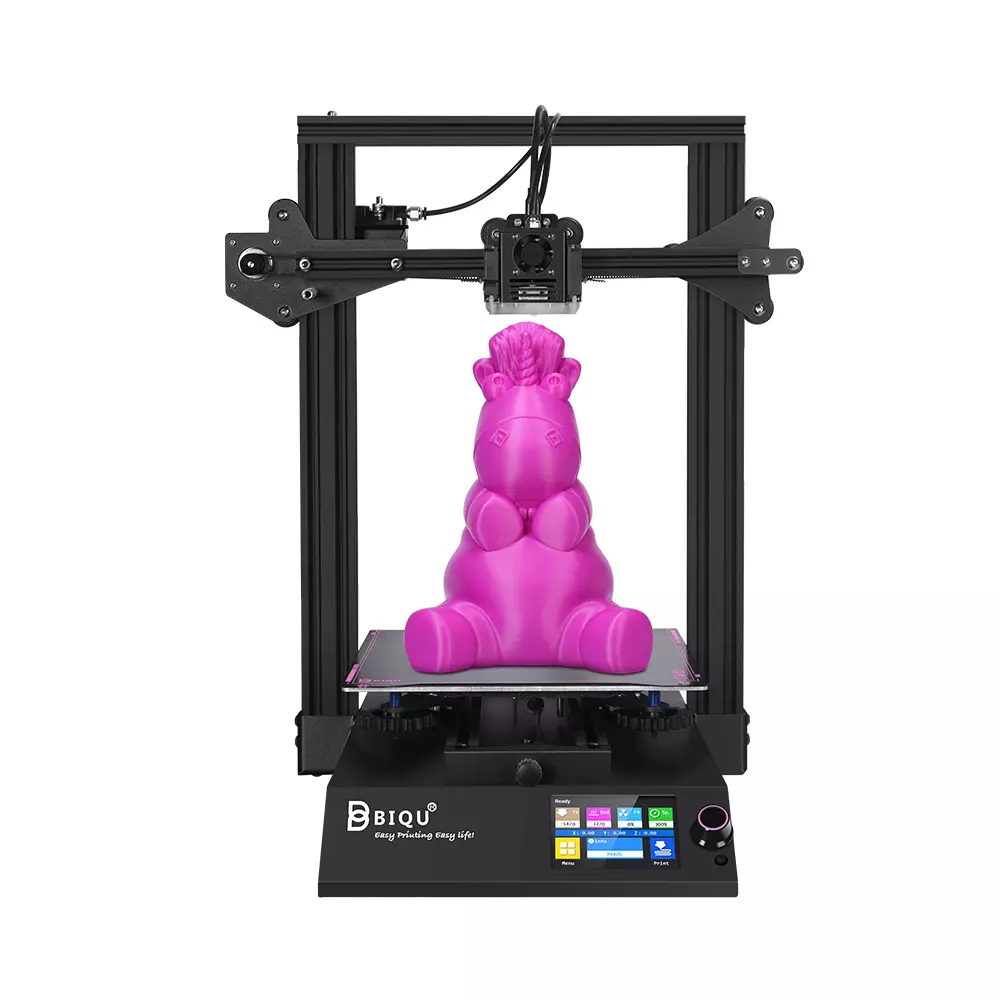
| Model | BigTreeTech BIQU B1 |
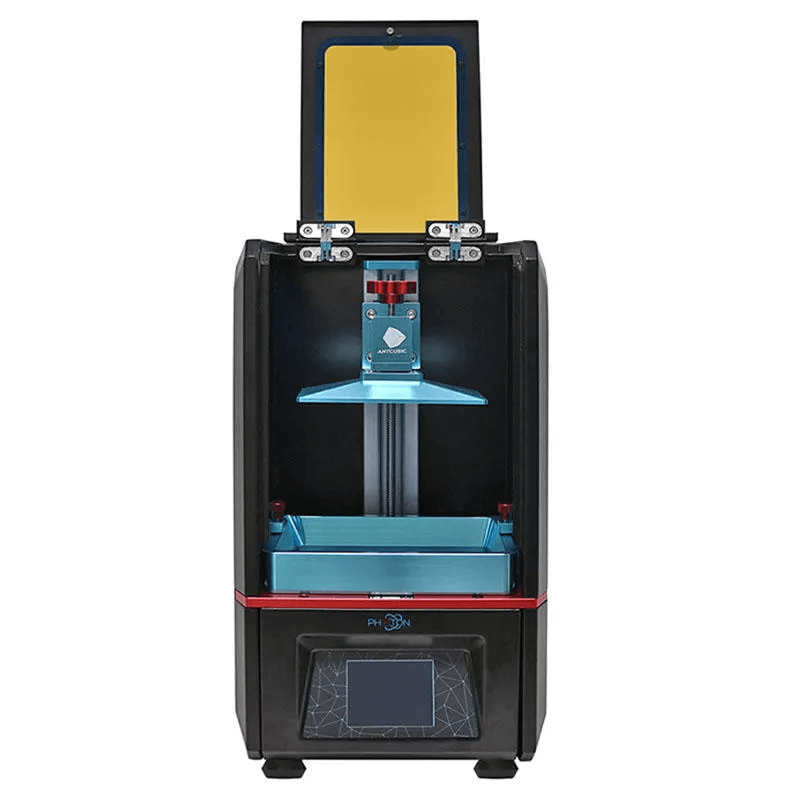
Anycubic Photon |
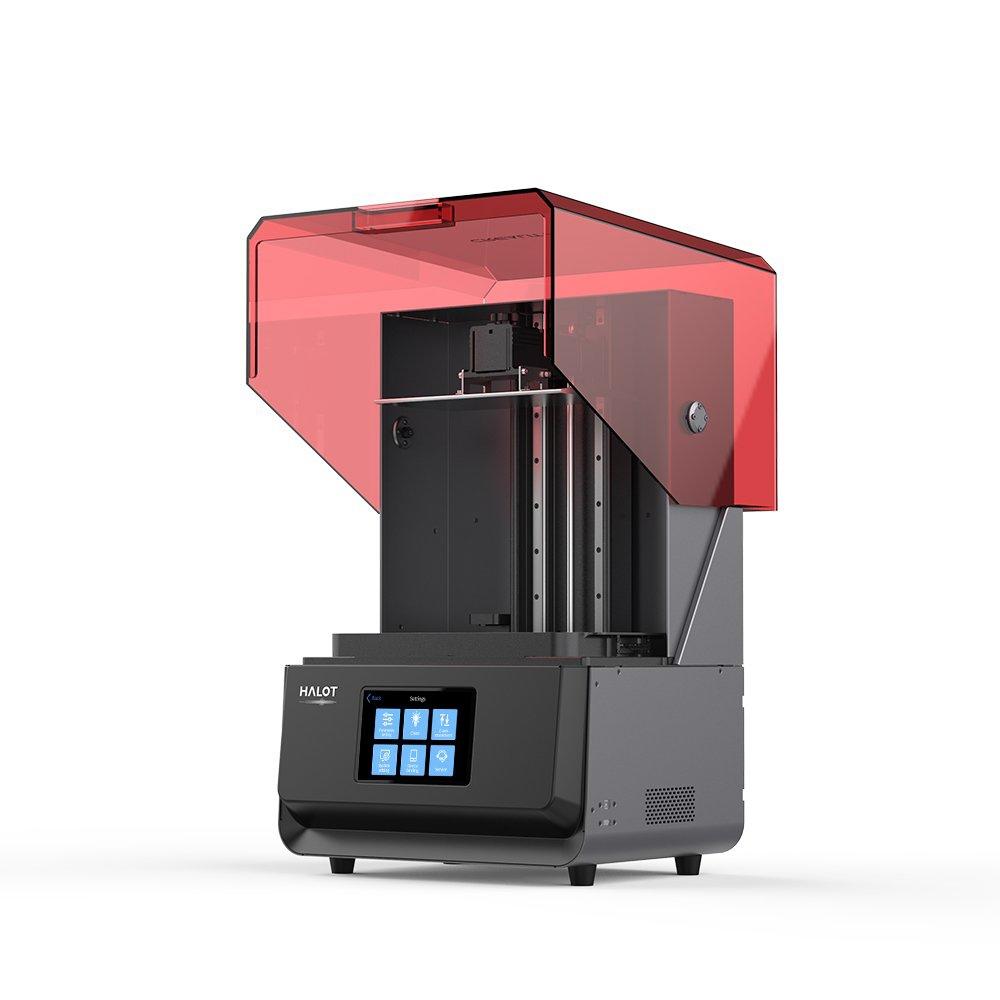
Creality 3D Halot Max[BUY Halot Max] |
| Printing Material | Filament | Resin | Resin |
| Estimated price | $269,00 | $100,00 | $3000,00 |
| Date of registration in the system | |||
| Fabricante | BigTreeTech | Anycubic | Creality 3D |
| Release Year | 2020 | 2019 | 2021 |
| Print Volume [mm] | 235x235x270 | 65x115x155 | 293x165x300 |
| Printer Size [mm] | 412x402x492 | 220x200x400 | 480x387x770 |
| Weight [kg] | 8,00 | 7,2 | 32,5 |
| Power Loss Recovery | YES | NO | NO |
| Maximum Resolution [mm] | 0,1 | 0,03 | |
| Kinematics | - | - | - |
| Extruder Type | - | - | - |
| Klipper Firmware | NO | NO | NO |
| Input Shaping | NO | NO | NO |
| Max Volumetric Flow [mm³/s] | - | - | - |
| Power Supply | 24V / 360W | 40W | |
| Connectivity | SD / USB | USB | SD / USB / Wi-Fi |
| Release date | 2020 | 2019 | 2021 |
| Extra features | The BIQU B1 is an advanced 3D printer with a silent 32-bit BTT SKR V1.4 motherboard and ARM Cortex-M3 CPU, offering DIY interfaces (I2C, SPI, WiFi) and dual Z-axis. Its dual BTT B1 TFT35 V3.0 operating system allows real-time monitoring and multiple printing modes, including G-code visualization effects. It stands out for its BIQU SSS (Super Spring Steel), ensuring easy model adhesion and simplified removal, with the possibility of using it on both sides. It includes a filament sensor, automatically pausing printing in case of filament breakage. The multicolored RGB lights integrated into the hotend allow you to view the printing status even at night. Additional notes include the need for a BIQU-specific Type-C cable and extra interfaces for smart filament sensor and BL Touch. | The Anycubic Photon DLP is a resin 3D printer that stands out for its affordability and quality. It uses DLP (Digital Light Processing) technology to cure resin layers with precision, offering resolution of 25-100 microns. Its build volume is 115 x 65 x 155 mm, suitable for modest-sized projects. It includes a 2.8-inch touchscreen, USB and SD card connectivity, and a carbon filter to mitigate odors. It is notable for generating efficient support structures through its custom slicing software. Although it requires care in resin handling and post-processing, it is an excellent option for beginners and professionals who want to explore resin 3D printing with high resolution and ease of use. | The Halot Max printer stands out for its large print size (293 x 165 x 300 mm) and uses SLA technology. It has an integral light source for improved accuracy and a strong core with an advanced operating system. Its Z-axis module ensures high precision, supported by efficient slicing software. The machine offers online OTA updates and boasts an adjustable layer thickness between 10 and 200 microns. Its XY-axis resolution is 3840*2160, with 0.05 mm accuracy, and an integral 405nm light source. The printer includes a 5" touchscreen and multiple connectivity options, such as USB, Creality Cloud, and HALOT BOX WiFi. With cutting-edge technology, the Halot Max is ideal for printing small models with uniform precision, thanks to its self-developed lighting system and stable printing mechanism, which includes dual linear guides, ball screws, and an intelligent brake system. |
| Support for multiple colors and materials (AMS and CFS) | NO | NO | NO |
Notes * |
|||
| Cost-benefit | 8 / 10 | 8 / 10 | 4 / 10 |
| Hardware | 1 / 10 | 2 / 10 | 2 / 10 |
| Screen | . | . | . |
| Print volume | 10 / 10 | 10 / 10 | 10 / 10 |
| Performance | 6 / 10 | 5 / 10 | 5 / 10 |
| [BUY Halot Max] |
Conclusion |
| In evaluating the three 3D printers—BIQU B1, Anycubic Photon, and Halot Max—it is essential to consider their distinct features and overall value relative to their prices. The BIQU B1 offers a balanced intermediate solution, providing a decent print volume and advanced features like power loss recovery and a silent motherboard, making it appropriate for both hobbyists and semi-professional users. Although its performance is not as high as the Halot Max, it stands out in terms of cost-effectiveness and versatility. In contrast, the Anycubic Photon excels in precision for smaller prints thanks to its DLP technology and is ideal for beginners entering the realm of resin printing. While it is the least expensive option, users must contend with the complexities of resin management, which may limit broader accessibility. Despite of this, it offers a good resolution and remains user-friendly. The Halot Max, on the other hand, is a powerhouse for those needing large print sizes coupled with high accuracy and advanced technology. It provides superior features including multiple connectivity options and consistent performance, making it favorable for professional environments. However, its price may be prohibitive for casual users or newcomers. In conclusion, for those seeking a budget-friendly and user-friendly experience, the Anycubic Photon is commendable. If versatility and a robust feature set are priorities, the BIQU B1 is a solid choice. Ultimately, for advanced users requiring maximum accuracy and larger prints, the Halot Max justifies its higher price tag. |