
Compare BigTreeTech BIQU B1 vs Anycubic Photon vs Creality 3D CR 6 Max
Comparison between the best 3D printers
Choose the best 3D printer at the best price. The cheapest 3D printers are here.
Buy a 3D printer here with 3D Fila.
 |
 |
 |
|
| Model | BigTreeTech BIQU B1 |
Anycubic Photon |
Creality 3D CR 6 Max |
| Printing Material | Filament | Resin | Filament |
| Estimated price | $269,00 | $100,00 | $700,00 |
| Date of registration in the system | |||
| Fabricante | BigTreeTech | Anycubic | Creality 3D |
| Release Year | 2020 | 2019 | 2021 |
| Print Volume [mm] | 235x235x270 | 65x115x155 | 400x400x400 |
| Printer Size [mm] | 412x402x492 | 220x200x400 | 725x640x691 |
| Weight [kg] | 8,00 | 7,2 | 14 |
| Power Loss Recovery | YES | NO | YES |
| Maximum Resolution [mm] | 0,1 | 0,1 | |
| Kinematics | - | - | - |
| Extruder Type | - | - | - |
| Klipper Firmware | NO | NO | NO |
| Input Shaping | NO | NO | NO |
| Max Volumetric Flow [mm³/s] | - | - | - |
| Power Supply | 24V / 360W | 40W | 110/220V / 500W |
| Connectivity | SD / USB | USB | SD / USB |
| Release date | 2020 | 2019 | 2021 |
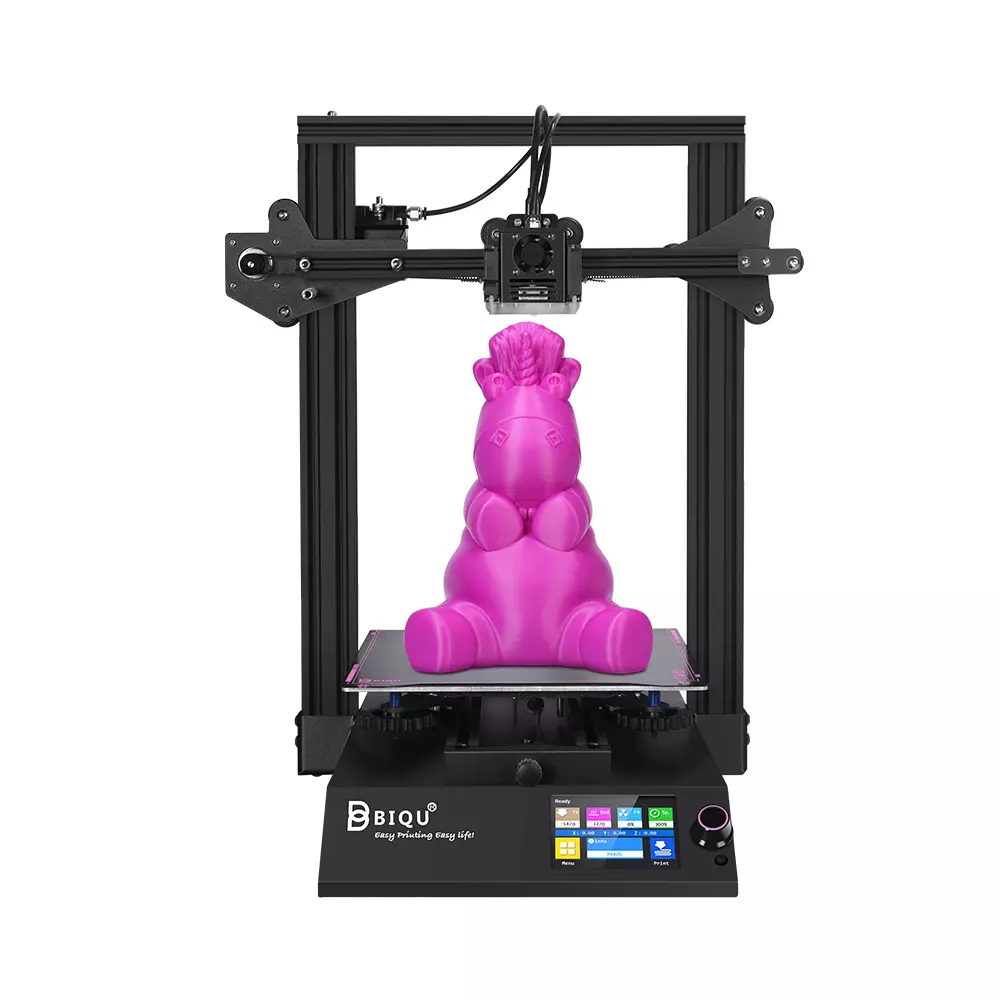
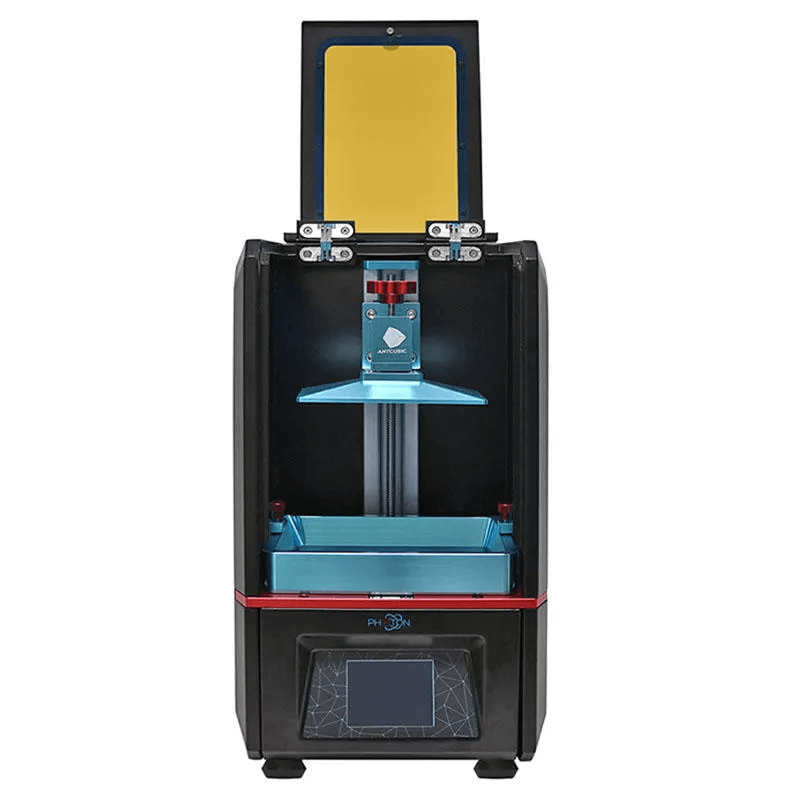
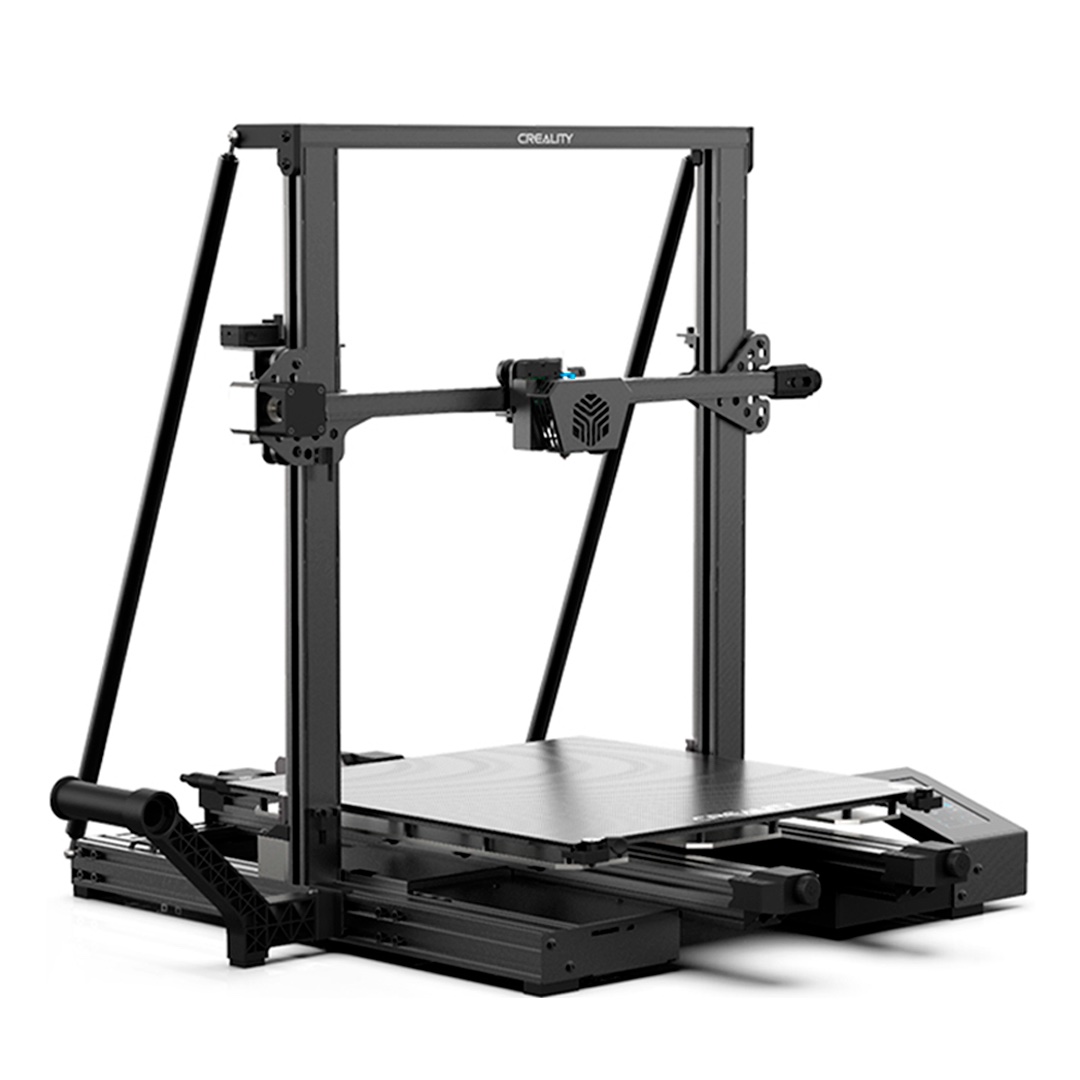
| Extra features | The BIQU B1 is an advanced 3D printer with a silent 32-bit BTT SKR V1.4 motherboard and ARM Cortex-M3 CPU, offering DIY interfaces (I2C, SPI, WiFi) and dual Z-axis. Its dual BTT B1 TFT35 V3.0 operating system allows real-time monitoring and multiple printing modes, including G-code visualization effects. It stands out for its BIQU SSS (Super Spring Steel), ensuring easy model adhesion and simplified removal, with the possibility of using it on both sides. It includes a filament sensor, automatically pausing printing in case of filament breakage. The multicolored RGB lights integrated into the hotend allow you to view the printing status even at night. Additional notes include the need for a BIQU-specific Type-C cable and extra interfaces for smart filament sensor and BL Touch. | The Anycubic Photon DLP is a resin 3D printer that stands out for its affordability and quality. It uses DLP (Digital Light Processing) technology to cure resin layers with precision, offering resolution of 25-100 microns. Its build volume is 115 x 65 x 155 mm, suitable for modest-sized projects. It includes a 2.8-inch touchscreen, USB and SD card connectivity, and a carbon filter to mitigate odors. It is notable for generating efficient support structures through its custom slicing software. Although it requires care in resin handling and post-processing, it is an excellent option for beginners and professionals who want to explore resin 3D printing with high resolution and ease of use. | Crealityâs CR-6 Max printer offers a large 400 x 400 x 400mm build area, perfect for larger projects without dividers. Its auto-leveling system and force sensor simplify setup. It has a 4.3-inch touchscreen and convenient features like a tool drawer and filament holder. Plus, its modular hotend, redesigned extruder, and silicon carbide-coated build plate improve print quality. |
| Support for multiple colors and materials (AMS and CFS) | NO | NO | NO |
Notes * |
|||
| Cost-benefit | 8 / 10 | 8 / 10 | 6 / 10 |
| Hardware | 1 / 10 | 2 / 10 | 2 / 10 |
| Screen | . | . | . |
| Print volume | 10 / 10 | 10 / 10 | 10 / 10 |
| Performance | 6 / 10 | 5 / 10 | 6 / 10 |
Conclusion |
| In conclusion, when comparing the three 3D printers—BIQU B1, Photon, and CR-6 Max—it is essential to consider their features, capabilities, and price points to determine the best fit for different user needs. The BIQU B1 strikes a commendable balance between affordability and advanced features, such as a 32-bit motherboard, versatile print modes, and dual Z-axis for improved stability. Its print volume is substantial, making it suitable for a variety of projects while also including practical features like power loss recovery and filament sensing. However, its cost-benefit ratio may not be the most impressive when considering its capabilities. The Anycubic Photon, while being the most economical option, is primarily geared towards users interested in resin printing. It offers excellent print resolution and ease of use, making it ideal for beginners or those with modest project sizes. Nevertheless, the small build volume may limit its versatility for larger prints, and the additional care needed for resin handling could deter some users. The Creality CR-6 Max, with its significant build volume and feature-rich design, caters to those who require a robust printer for large-scale projects. Its auto-leveling functionality and improved print quality capabilities make it a solid choice for passionate enthusiasts or small businesses. However, its higher price tag necessitates a careful evaluation of whether the investment matches the intended usage. Ultimately, the best printer depends on individual priorities—whether one values advanced features at an affordable price, seeks precision in smaller projects, or requires a large build volume for ambitious creations. Each option has its merits, and potential buyers should weigh their specific requirements against each printer's strengths and limitations. |