

Compare BigTreeTech BIQU B1 vs Creality 3D Halot One vs Anycubic Mega S
Comparison between the best 3D printers
Choose the best 3D printer at the best price. The cheapest 3D printers are here.
Buy a 3D printer here with 3D Fila.
 |
 |
 |
|
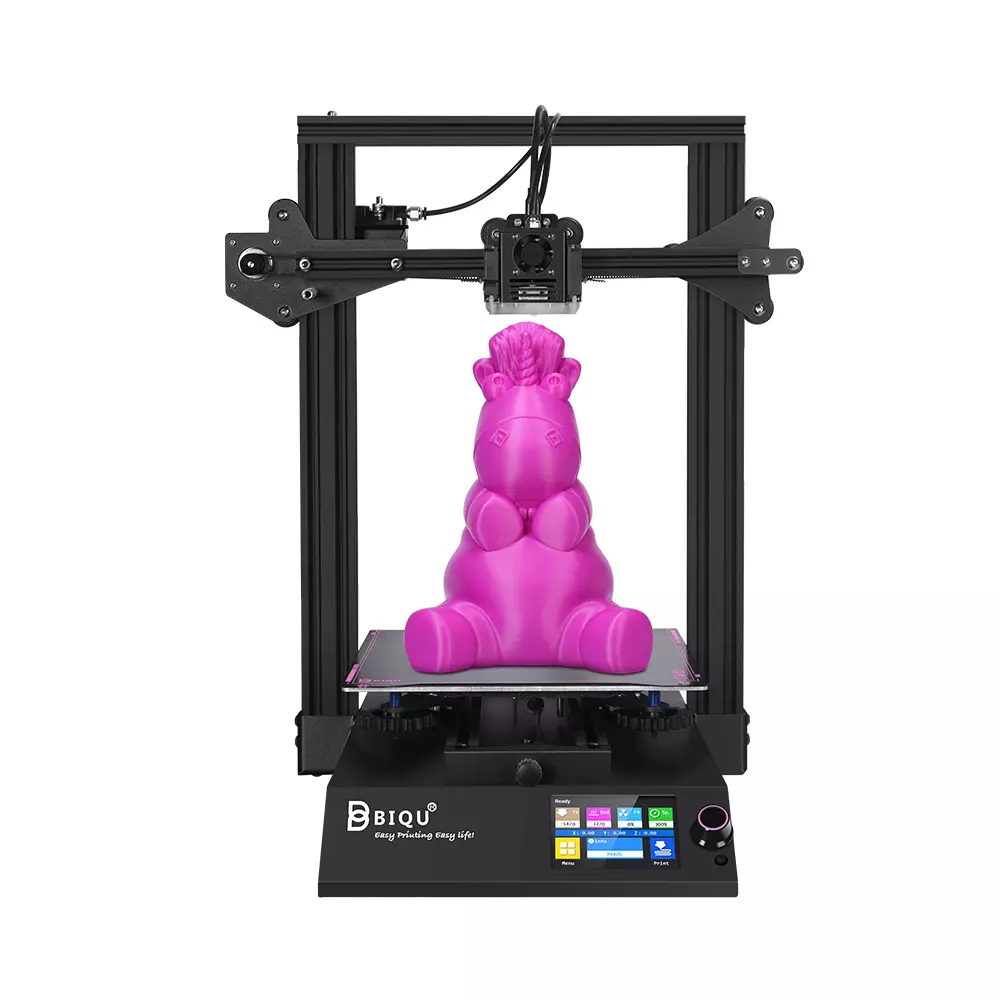
| Model | BigTreeTech BIQU B1 |
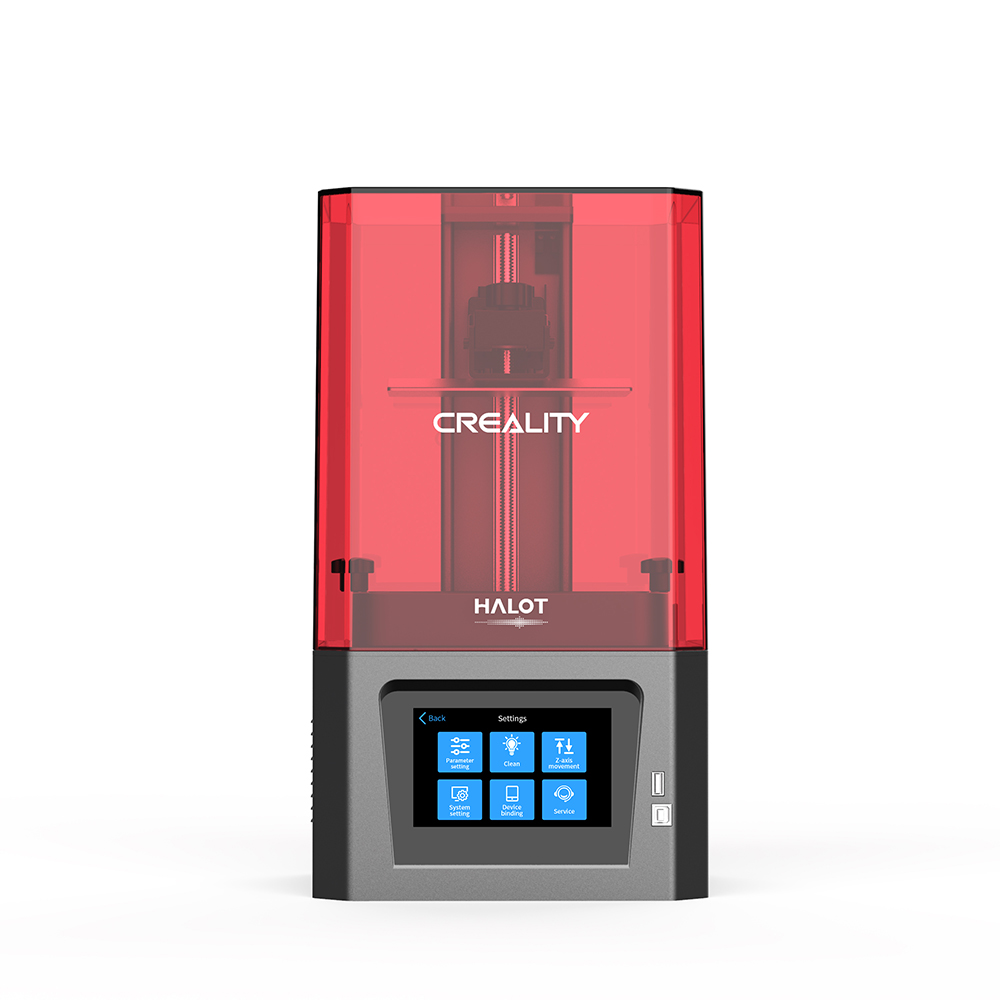
Creality 3D Halot One |
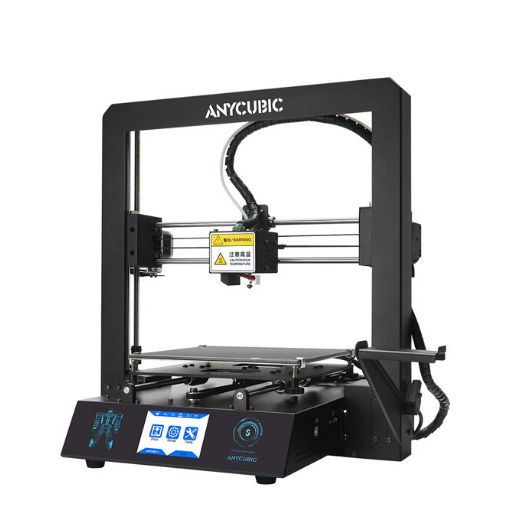
Anycubic Mega S |
| Printing Material | Filament | Resin | Filament |
| Estimated price | $269,00 | $250,00 | $149,00 |
| Date of registration in the system | |||
| Fabricante | BigTreeTech | Creality 3D | Anycubic |
| Release Year | 2020 | 2021 | 2019 |
| Print Volume [mm] | 235x235x270 | 127x80x160 | 210x210x205 |
| Printer Size [mm] | 412x402x492 | 221x221x404 | 405x410x452 |
| Weight [kg] | 8,00 | 7,1 | 14,5 |
| Power Loss Recovery | YES | NO | YES |
| Maximum Resolution [mm] | 0,1 | 2k | 0,1 |
| Kinematics | - | - | - |
| Extruder Type | - | - | - |
| Klipper Firmware | NO | NO | NO |
| Input Shaping | NO | NO | NO |
| Max Volumetric Flow [mm³/s] | - | - | - |
| Power Supply | 24V / 360W | 12V / 300W | |
| Connectivity | SD / USB | SD / USB | |
| Release date | 2020 | 2021 | 2019 |
| Extra features | The BIQU B1 is an advanced 3D printer with a silent 32-bit BTT SKR V1.4 motherboard and ARM Cortex-M3 CPU, offering DIY interfaces (I2C, SPI, WiFi) and dual Z-axis. Its dual BTT B1 TFT35 V3.0 operating system allows real-time monitoring and multiple printing modes, including G-code visualization effects. It stands out for its BIQU SSS (Super Spring Steel), ensuring easy model adhesion and simplified removal, with the possibility of using it on both sides. It includes a filament sensor, automatically pausing printing in case of filament breakage. The multicolored RGB lights integrated into the hotend allow you to view the printing status even at night. Additional notes include the need for a BIQU-specific Type-C cable and extra interfaces for smart filament sensor and BL Touch. | Crealityâs Halot-One printer stands out with several innovative features. It has a high-resolution touchscreen, providing an intuitive and responsive interface. Its quiet printing capability is remarkable, ideal for environments where noise is a concern. Assembly and setup are simple, with automatic functions facilitating quick start. Among its features, remote monitoring and adjustments via the Creality Cloud app stand out, simplifying remote print management. Replacing the FEP in the resin vat is easy, and the printer even includes extra FEP sheets. Top cover removal detection increases safety by automatically pausing printing. In addition, its integral light source promises high uniformity, optimizing print quality. | The Anycubic Mega S offers a printing platform with excellent adhesion, easy removal after cooling. It has a filament sensor for a better experience with flexible materials and a multilingual and intuitive color touchscreen. Assembly is quick, requiring only 8 screws and 3 connections. It has a large build volume (210 x 210 x 205 mm), high positioning accuracy and supports a variety of materials, including TPU, PLA, ABS and wood. It stands out for its solid metal structure, superior stability, high-quality printing with layer resolution of up to 50 microns, Ultrabase for easy adhesion and removal of parts, resumption of printing after power outage, high-quality extruder for flexible filaments, suspended filament support and stable structure that reduces shaking, improving printing quality. |
| Support for multiple colors and materials (AMS and CFS) | NO | NO | NO |
Notes * |
|||
| Cost-benefit | 8 / 10 | 8 / 10 | 8 / 10 |
| Hardware | 1 / 10 | 2 / 10 | 1 / 10 |
| Screen | . | . | . |
| Print volume | 10 / 10 | 10 / 10 | 10 / 10 |
| Performance | 6 / 10 | 5 / 10 | 6 / 10 |
Conclusion |
| In comparing the three 3D printers—BIQU B1, Halot One, and Anycubic Mega S—it is evident that each machine caters to different user needs and budgets. The **BIQU B1**, priced higher among the three, offers a robust feature set that includes a dual Z-axis, advanced 32-bit motherboard, and real-time monitoring capabilities. Its larger print volume and exceptional resolution make it ideal for those who require precision and versatility in printing. Additionally, features such as power loss recovery and a filament sensor enhance its usability and reliability, making it suitable for both experienced and novice users. On the other hand, the **Halot One**, while slightly more affordable, presents a compelling option with its high-resolution touchscreen and remote management capabilities via the Creality Cloud app. Its compact design and quiet operation make it an excellent choice for personal use or environments sensitive to noise. However, it has a smaller print volume, which may limit larger projects. Lastly, the **Anycubic Mega S** stands out as the most budget-friendly option. It boasts a strong build quality and a user-friendly interface, making it an excellent entry-level choice for hobbyists. Its substantial build volume and ability to work with various materials offer good flexibility, although it might lack some advanced features found in the other two models. In conclusion, your choice should hinge on your specific requirements: if you prioritize advanced features and larger print capacities, the BIQU B1 is a solid investment. For a balance of functionality and ease of use in a quieter package, the Halot One is appealing. Conversely, if budget is a primary concern and you're entering the 3D printing space, the Anycubic Mega S delivers quality performance at a more accessible price point. |