

Compare BigTreeTech BIQU B1 vs Creality 3D Halot One vs Creality 3D Ender 3 V2
Comparison between the best 3D printers
Choose the best 3D printer at the best price. The cheapest 3D printers are here.
Buy a 3D printer here with 3D Fila.
 |
 |
 |
|
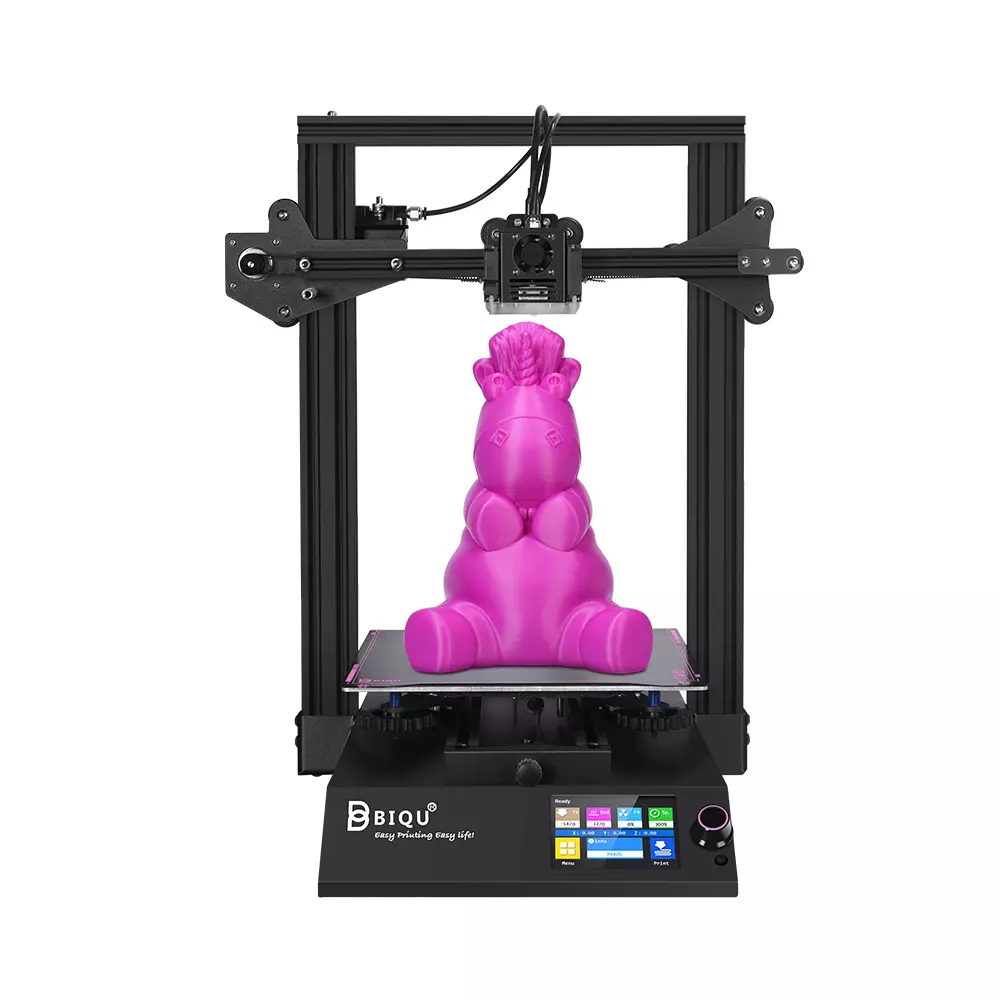
| Model | BigTreeTech BIQU B1 |
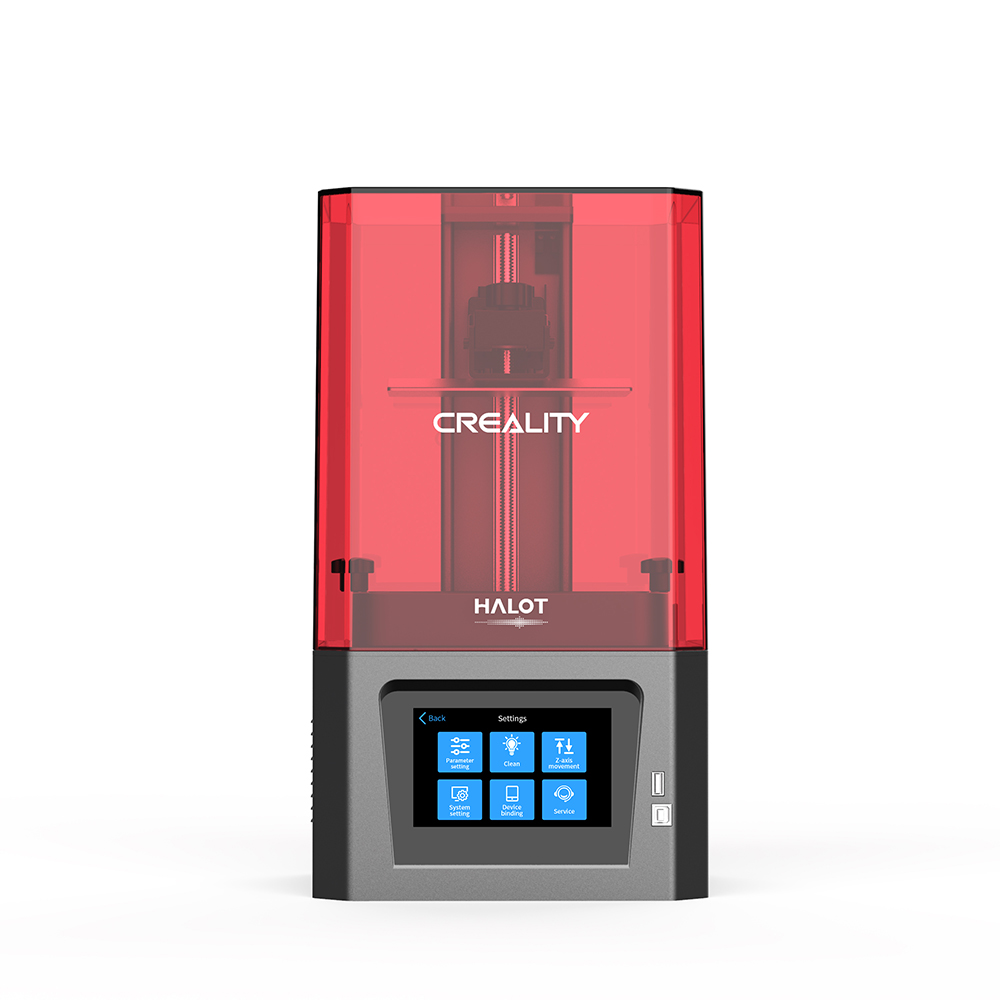
Creality 3D Halot One |
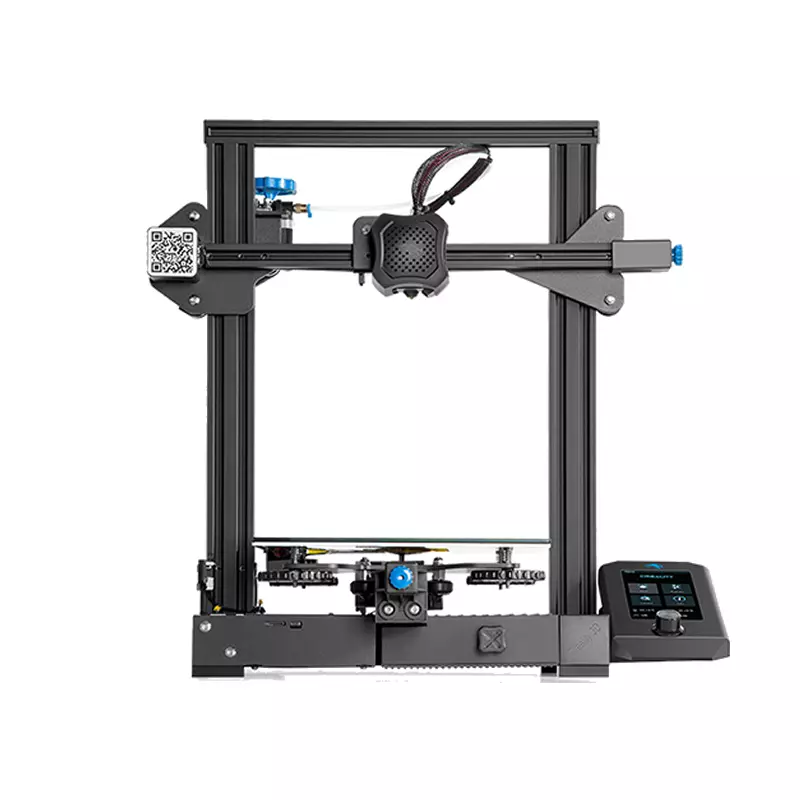
Creality 3D Ender 3 V2[BUY Ender 3 V2] |
| Printing Material | Filament | Resin | Filament |
| Estimated price | $269,00 | $250,00 | $289,00 |
| Date of registration in the system | |||
| Fabricante | BigTreeTech | Creality 3D | Creality 3D |
| Release Year | 2020 | 2021 | 2022 |
| Print Volume [mm] | 235x235x270 | 127x80x160 | 220x220x250 |
| Printer Size [mm] | 412x402x492 | 221x221x404 | 470x475x620 |
| Weight [kg] | 8,00 | 7,1 | 7,8 |
| Power Loss Recovery | YES | NO | YES |
| Maximum Resolution [mm] | 0,1 | 2k | 0,1 |
| Kinematics | - | - | - |
| Extruder Type | - | - | - |
| Klipper Firmware | NO | NO | NO |
| Input Shaping | NO | NO | NO |
| Max Volumetric Flow [mm³/s] | - | - | - |
| Power Supply | 24V / 360W | 24V / 360W | |
| Connectivity | SD / USB | SD / USB | |
| Release date | 2020 | 2021 | 2022 |
| Extra features | The BIQU B1 is an advanced 3D printer with a silent 32-bit BTT SKR V1.4 motherboard and ARM Cortex-M3 CPU, offering DIY interfaces (I2C, SPI, WiFi) and dual Z-axis. Its dual BTT B1 TFT35 V3.0 operating system allows real-time monitoring and multiple printing modes, including G-code visualization effects. It stands out for its BIQU SSS (Super Spring Steel), ensuring easy model adhesion and simplified removal, with the possibility of using it on both sides. It includes a filament sensor, automatically pausing printing in case of filament breakage. The multicolored RGB lights integrated into the hotend allow you to view the printing status even at night. Additional notes include the need for a BIQU-specific Type-C cable and extra interfaces for smart filament sensor and BL Touch. | Crealityâs Halot-One printer stands out with several innovative features. It has a high-resolution touchscreen, providing an intuitive and responsive interface. Its quiet printing capability is remarkable, ideal for environments where noise is a concern. Assembly and setup are simple, with automatic functions facilitating quick start. Among its features, remote monitoring and adjustments via the Creality Cloud app stand out, simplifying remote print management. Replacing the FEP in the resin vat is easy, and the printer even includes extra FEP sheets. Top cover removal detection increases safety by automatically pausing printing. In addition, its integral light source promises high uniformity, optimizing print quality. | The Creality Ender-3 V2, with a design inspired by the Prusa i3 series, stands out for its DIY assembly structure. With an area of ??250x250x250mm, it supports a variety of projects. It has a micro-USB port, microSD slot and integrated tool drawer. The tension adjustment adapts to different regions. Its manual print bed leveling process requires attention, but offers an enriching experience. Ideal for 3D printing enthusiasts willing to invest time in assembly and adjustment. |
| Support for multiple colors and materials (AMS and CFS) | NO | NO | NO |
Notes * |
|||
| Cost-benefit | 8 / 10 | 8 / 10 | 8 / 10 |
| Hardware | 1 / 10 | 2 / 10 | 0.6 / 10 |
| Screen | . | . | . |
| Print volume | 10 / 10 | 10 / 10 | 10 / 10 |
| Performance | 6 / 10 | 5 / 10 | 7 / 10 |
| [BUY Ender 3 V2] |
Conclusion |
| In comparing the three 3D printers — BIQU B1, Halot One, and Ender 3 V2 — several key factors emerge that can guide potential buyers in their decision-making process. The BIQU B1 offers a robust feature set, including a silent motherboard, dual Z-axis, and advanced printing modes, making it suitable for users seeking flexibility and innovation. However, its print volume, while respectable, may limit larger projects. Despite its strengths, it does present a slightly higher cost among the group. The Halot One shines with its user-friendly interface, impressive print quality, and remote monitoring capabilities via the Creality Cloud app. It is particularly suited for users prioritizing ease of use and quality, although its smaller print volume might not meet the needs of all users. Its price makes it a competitive option, especially given its advanced features. The Ender 3 V2, while it requires more manual setup and adjustment, appeals to DIY enthusiasts with its modular assembly and design. Its print volume is adequate for a variety of projects, but its manual leveling could be seen as a drawback for less experienced users. It is positioned at the higher end of the pricing spectrum. In terms of cost-benefit ratios, the Halot One stands out, offering an excellent balance between performance features and price. The BIQU B1 and Ender 3 V2 follow closely, providing decent value but with certain trade-offs in flexibility or ease of use. Ultimately, the best choice depends on the user’s priorities: the BIQU B1 for advanced features and versatility, the Halot One for performance and user-friendliness, and the Ender 3 V2 for those who enjoy a hands-on assembly experience. Each printer serves distinct needs, ensuring that users can find a model that aligns with their specific 3D printing requirements. |