

Compare BigTreeTech BIQU B1 vs Creality 3D Ender 6 vs Ultimaker S5
Comparison between the best 3D printers
Choose the best 3D printer at the best price. The cheapest 3D printers are here.
Buy a 3D printer here with 3D Fila.
 |
 |
 |
|
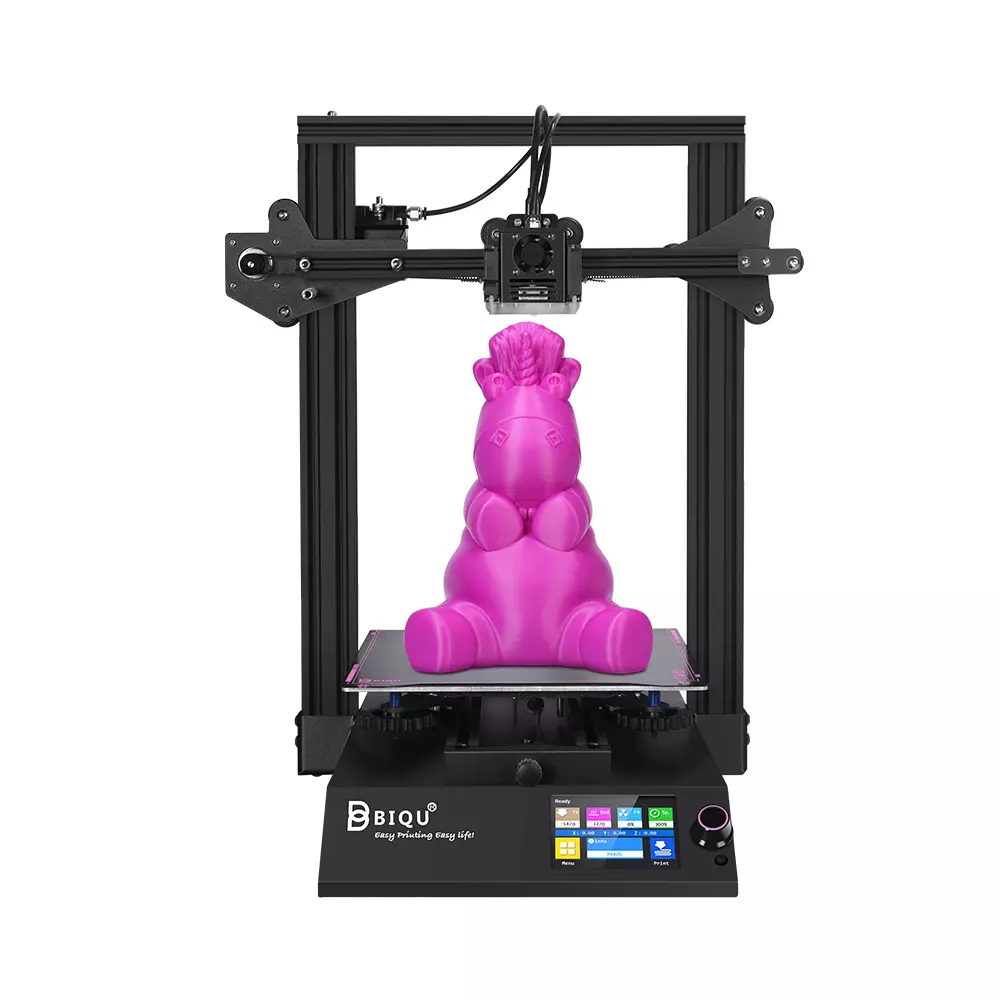
| Model | BigTreeTech BIQU B1 |
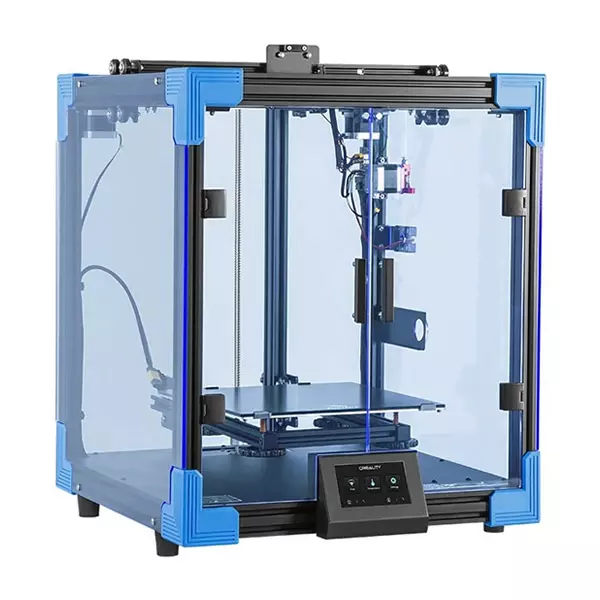
Creality 3D Ender 6[BUY Ender 6] |
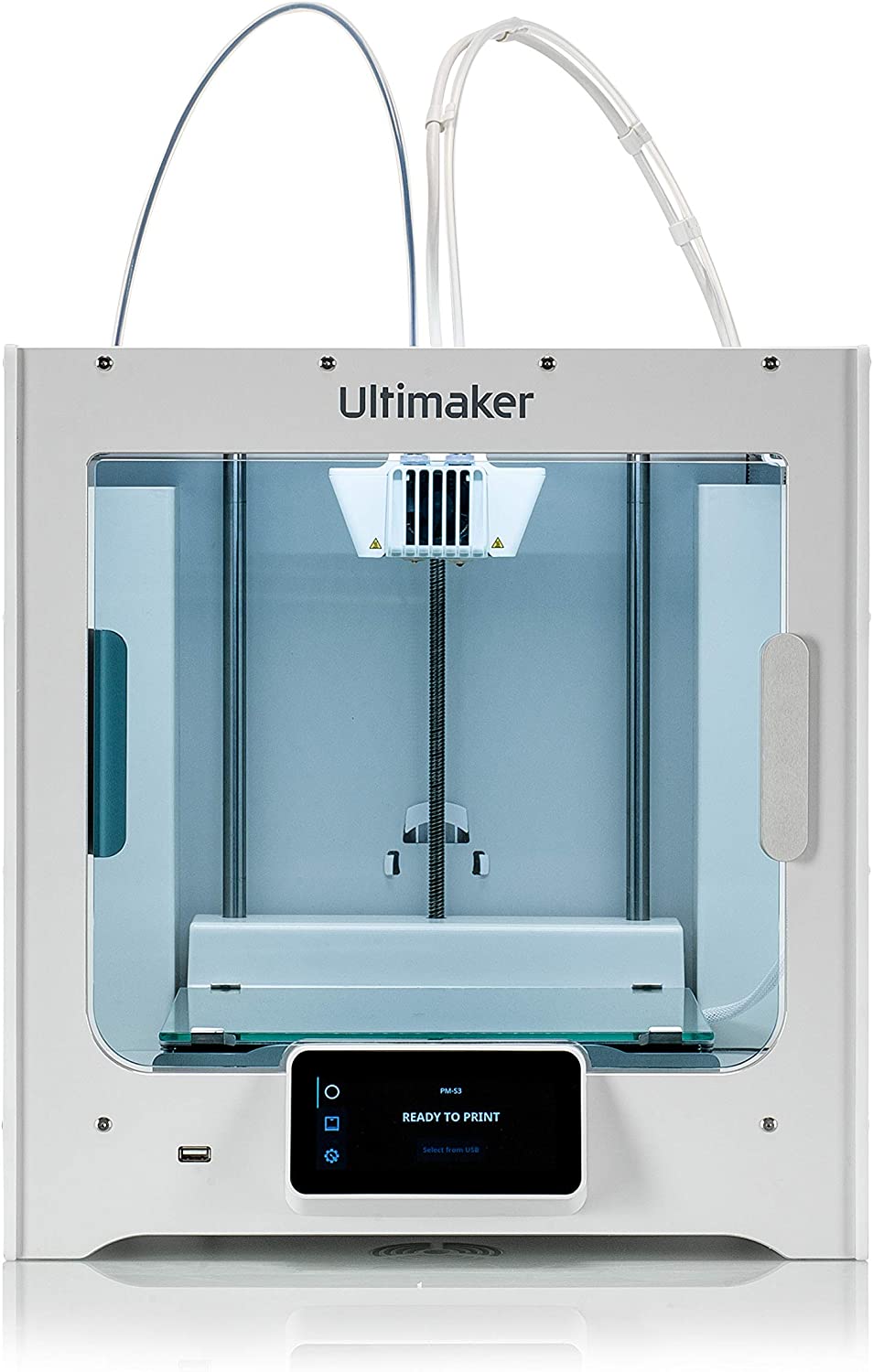
Ultimaker S5 |
| Printing Material | Filament | Filament | Filament |
| Estimated price | $269,00 | $499,00 | $6950,00 |
| Date of registration in the system | |||
| Fabricante | BigTreeTech | Creality 3D | Ultimaker |
| Release Year | 2020 | 2020 | 2021 |
| Print Volume [mm] | 235x235x270 | 250x250x400 | 330x340x300 |
| Printer Size [mm] | 412x402x492 | 495x495x650 | 495x585x780 |
| Weight [kg] | 8,00 | 22 | 20,6 |
| Power Loss Recovery | YES | YES | YES |
| Enclosed printer | NO | YES | NO |
| Bed Leveling | Manual | Manual | Automatic |
| Filament End Sensor | YES | YES | YES |
| Bed type | Heated | Heated | Heated |
| Power supply system | Bowden | Bowden | Bowden |
| Standard nozzle | 0,4 | 0,4 | 0,4 |
| Maximum Nozzle Temperature [°C] | 250 | 260 | 280 |
| Maximum Bed Temperature [°C] | 100 | 100 | 140 |
| Maximum printing speed [mm/s] | 100 | 150 | 80 |
| Filament holder | YES | YES | YES |
| Camera for supervision | NO | NO | YES |
| Recommended filaments | PLA, TPU, ABS, PETG | PLA, TPU, ABS, PETG | PLA, ABS, PETG, PC, Nylon, Tritan |
| Recommended slicers | Cura, Simplify, Slic3r | Cura, Simplify, Slic3r | Cura |
| Maximum Resolution [mm] | 0,1 | 0,1 | 0,1 |
| Kinematics | - | - | - |
| Extruder Type | - | - | - |
| Klipper Firmware | NO | NO | NO |
| Input Shaping | NO | NO | NO |
| Max Volumetric Flow [mm³/s] | - | - | - |
| Power Supply | 24V / 360W | 24V / 504W | 110/220V / 500W |
| Connectivity | SD / USB | SD / USB | USB / Wi-Fi |
| Release date | 2020 | 2020 | 2021 |
| Extra features | The BIQU B1 is an advanced 3D printer with a silent 32-bit BTT SKR V1.4 motherboard and ARM Cortex-M3 CPU, offering DIY interfaces (I2C, SPI, WiFi) and dual Z-axis. Its dual BTT B1 TFT35 V3.0 operating system allows real-time monitoring and multiple printing modes, including G-code visualization effects. It stands out for its BIQU SSS (Super Spring Steel), ensuring easy model adhesion and simplified removal, with the possibility of using it on both sides. It includes a filament sensor, automatically pausing printing in case of filament breakage. The multicolored RGB lights integrated into the hotend allow you to view the printing status even at night. Additional notes include the need for a BIQU-specific Type-C cable and extra interfaces for smart filament sensor and BL Touch. | The Creality Ender 6 stands out in the world of 3D printers with its CoreXY system, offering fast and high-quality prints. With a robust design, it has acrylic panels to protect against air currents, optimizing the printing of materials that require higher temperatures. It features a generic Creality hotend, effective up to ~240°C. Its differentials include 10mm GATES belts, promoting stability at high speeds, and a 360W power supply for reliable performance. The machine also has an intuitive user interface through a 4.3-inch touchscreen. | The Ultimaker S5 stands out for its easy loading and unloading of materials, automatic bed leveling and excellent print quality with resolutions from 60 to 400 microns. It has dual extruders, interchangeable print cores, advanced connectivity with Wi-Fi and LAN, and intuitive software. It includes a Wi-Fi camera for monitoring, a removable glass bed, and a large build volume, making it ideal for professional and creative environments. |
| Support for multiple colors and materials (AMS and CFS) | NO | NO | NO |
Notes * |
|||
| Cost-benefit | 8 / 10 | 7 / 10 | 4 / 10 |
| Hardware | 1 / 10 | 1.5 / 10 | 3 / 10 |
| Screen | . | . | . |
| Print volume | 10 / 10 | 10 / 10 | 10 / 10 |
| Performance | 6 / 10 | 7 / 10 | 5 / 10 |
| [BUY Ender 6] |
Conclusion |
| In evaluating the three 3D printers—BIQU B1, Creality Ender 6, and Ultimaker S5—across various aspects, it's evident that each model caters to different user needs and budgets. The **BIQU B1** is an excellent option for entry-level users and DIY enthusiasts, offering a competitive price point and features like power loss recovery, filament end sensors, and a heated bed. However, its manual bed leveling and lower maximum print volume make it less suitable for larger projects. It provides a good cost-benefit ratio but falls behind in terms of hardware quality and performance. On the other hand, the **Creality Ender 6** strikes a balance between affordability and performance. The CoreXY system enhances its printing speed and quality, supported by a robust design that minimizes external influences. While it also does not have automatic bed leveling, its features, including a more generous print volume and an intuitive touchscreen interface, elevate its appeal for serious hobbyists. Despite its slightly higher price, it offers a better overall value than the BIQU B1. Lastly, the **Ultimaker S5** represents the high-end of the market. It excels in advanced features such as automatic bed leveling, dual extrusions, and high print quality, making it a strong contender for professionals and creative environments. However, the steep price point significantly limits its cost-effectiveness, particularly for more casual users or those just entering the 3D printing space. In conclusion, the BIQU B1 is commendable for beginners on a tight budget, the Creality Ender 6 serves intermediate users well by combining quality and affordability, while the Ultimaker S5 caters to professionals seeking top-tier performance and features at a premium price. When choosing among these models, potential buyers should weigh their specific needs, budget constraints, and desired features to select the best fit for their 3D printing endeavors. |