

Compare BigTreeTech BIQU B1 vs Creality 3D Ender 6 vs Creality 3D Halot Max
Comparison between the best 3D printers
Choose the best 3D printer at the best price. The cheapest 3D printers are here.
Buy a 3D printer here with 3D Fila.
 |
 |
 |
|
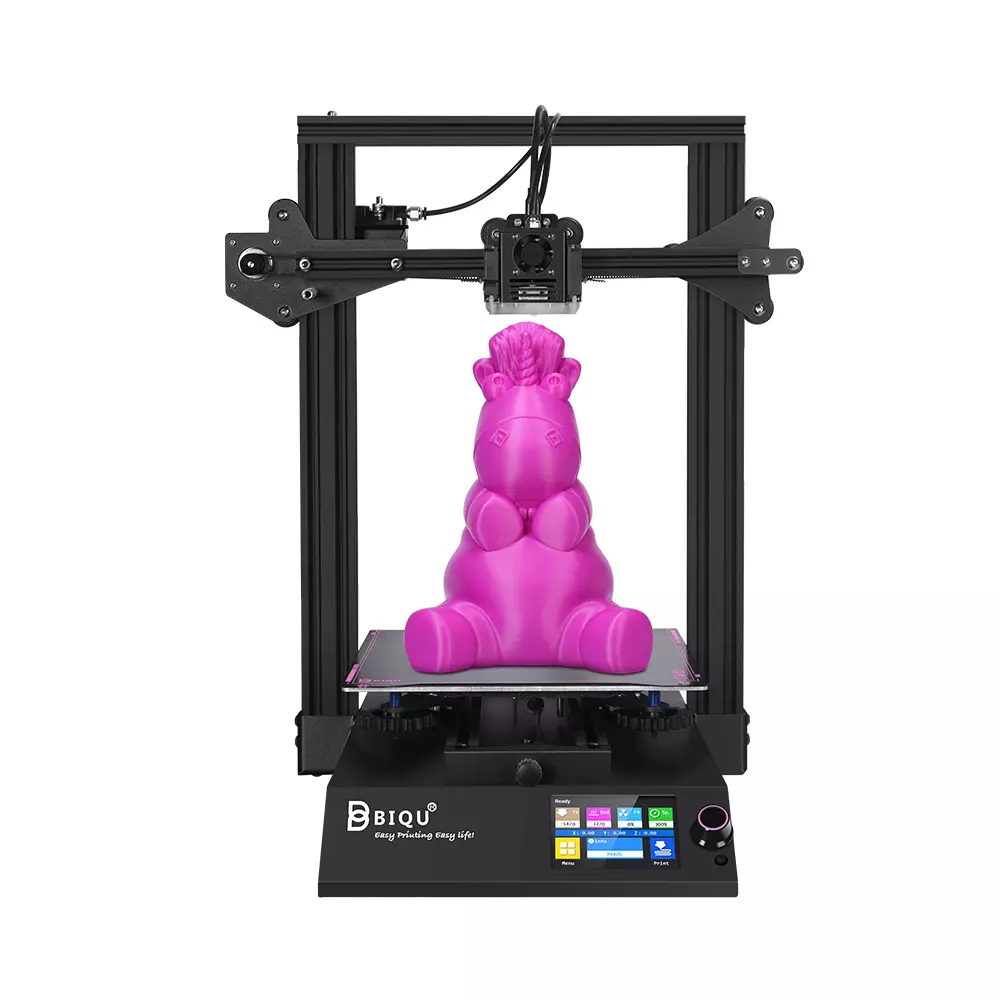
| Model | BigTreeTech BIQU B1 |
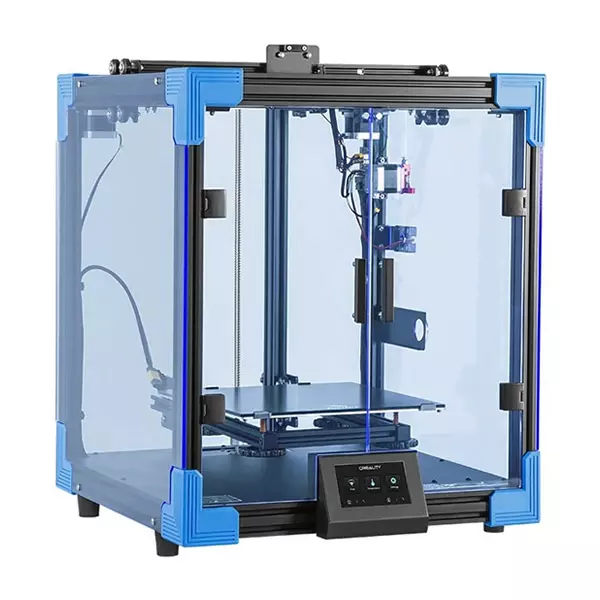
Creality 3D Ender 6[BUY Ender 6] |
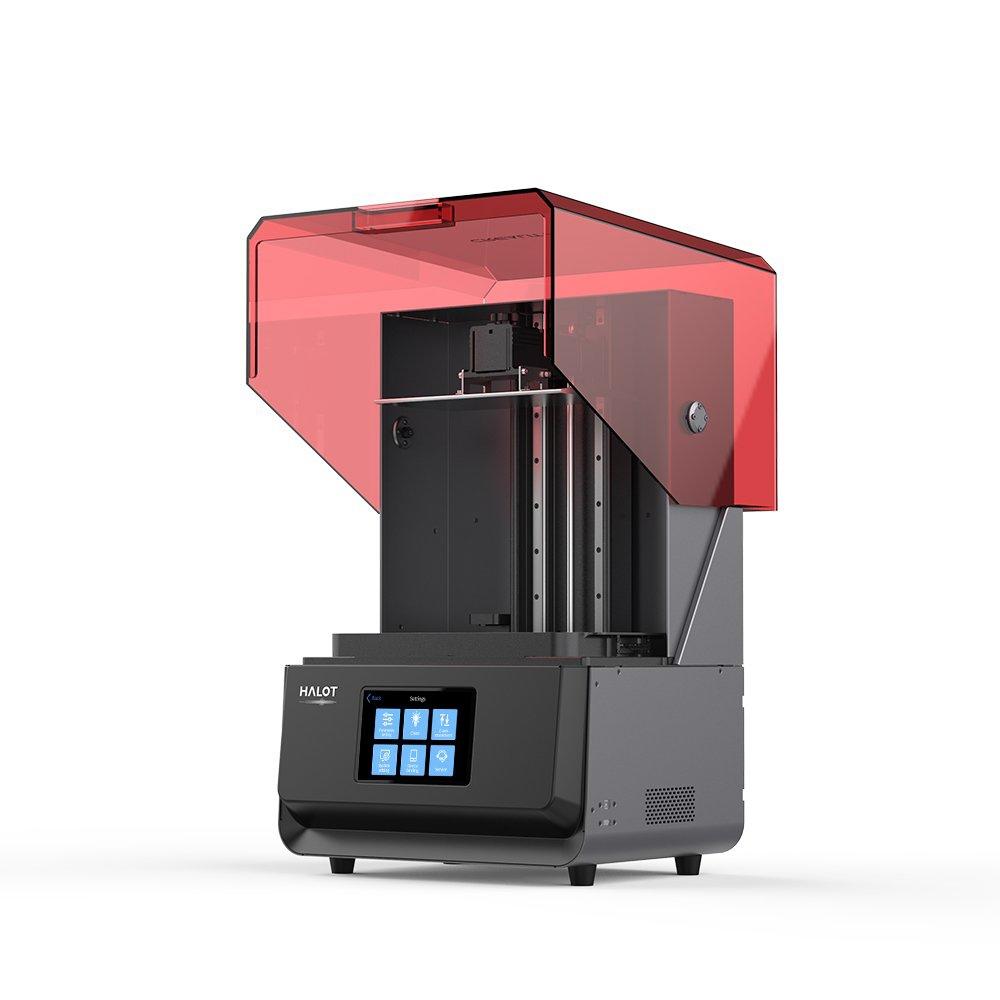
Creality 3D Halot Max[BUY Halot Max] |
| Printing Material | Filament | Filament | Resin |
| Estimated price | $269,00 | $499,00 | $3000,00 |
| Date of registration in the system | |||
| Fabricante | BigTreeTech | Creality 3D | Creality 3D |
| Release Year | 2020 | 2020 | 2021 |
| Print Volume [mm] | 235x235x270 | 250x250x400 | 293x165x300 |
| Printer Size [mm] | 412x402x492 | 495x495x650 | 480x387x770 |
| Weight [kg] | 8,00 | 22 | 32,5 |
| Power Loss Recovery | YES | YES | NO |
| Maximum Resolution [mm] | 0,1 | 0,1 | 0,03 |
| Kinematics | - | - | - |
| Extruder Type | - | - | - |
| Klipper Firmware | NO | NO | NO |
| Input Shaping | NO | NO | NO |
| Max Volumetric Flow [mm³/s] | - | - | - |
| Power Supply | 24V / 360W | 24V / 504W | |
| Connectivity | SD / USB | SD / USB | SD / USB / Wi-Fi |
| Release date | 2020 | 2020 | 2021 |
| Extra features | The BIQU B1 is an advanced 3D printer with a silent 32-bit BTT SKR V1.4 motherboard and ARM Cortex-M3 CPU, offering DIY interfaces (I2C, SPI, WiFi) and dual Z-axis. Its dual BTT B1 TFT35 V3.0 operating system allows real-time monitoring and multiple printing modes, including G-code visualization effects. It stands out for its BIQU SSS (Super Spring Steel), ensuring easy model adhesion and simplified removal, with the possibility of using it on both sides. It includes a filament sensor, automatically pausing printing in case of filament breakage. The multicolored RGB lights integrated into the hotend allow you to view the printing status even at night. Additional notes include the need for a BIQU-specific Type-C cable and extra interfaces for smart filament sensor and BL Touch. | The Creality Ender 6 stands out in the world of 3D printers with its CoreXY system, offering fast and high-quality prints. With a robust design, it has acrylic panels to protect against air currents, optimizing the printing of materials that require higher temperatures. It features a generic Creality hotend, effective up to ~240°C. Its differentials include 10mm GATES belts, promoting stability at high speeds, and a 360W power supply for reliable performance. The machine also has an intuitive user interface through a 4.3-inch touchscreen. | The Halot Max printer stands out for its large print size (293 x 165 x 300 mm) and uses SLA technology. It has an integral light source for improved accuracy and a strong core with an advanced operating system. Its Z-axis module ensures high precision, supported by efficient slicing software. The machine offers online OTA updates and boasts an adjustable layer thickness between 10 and 200 microns. Its XY-axis resolution is 3840*2160, with 0.05 mm accuracy, and an integral 405nm light source. The printer includes a 5" touchscreen and multiple connectivity options, such as USB, Creality Cloud, and HALOT BOX WiFi. With cutting-edge technology, the Halot Max is ideal for printing small models with uniform precision, thanks to its self-developed lighting system and stable printing mechanism, which includes dual linear guides, ball screws, and an intelligent brake system. |
| Support for multiple colors and materials (AMS and CFS) | NO | NO | NO |
Notes * |
|||
| Cost-benefit | 8 / 10 | 7 / 10 | 4 / 10 |
| Hardware | 1 / 10 | 1.5 / 10 | 2 / 10 |
| Screen | . | . | . |
| Print volume | 10 / 10 | 10 / 10 | 10 / 10 |
| Performance | 6 / 10 | 7 / 10 | 5 / 10 |
| [BUY Ender 6] | [BUY Halot Max] |
Conclusion |
| In comparing the BIQU B1, Creality Ender 6, and Halot Max 3D printers, several key aspects emerge that can help potential buyers make an informed decision. The **BIQU B1** serves as a budget-friendly option with commendable features for beginners and hobbyists. Despite its lower price, it offers a solid print volume and impressive functionality, including power loss recovery and a user-friendly touchscreen interface. However, it does fall behind in print resolution and performance compared to the other two models. The **Creality Ender 6** provides a balance between cost and capability, boasting a larger print volume than the BIQU B1 and faster print speeds. Its CoreXY system enhances stability and allows for high-temperature material printing, though it maintains a similar print resolution to the B1. The Ender 6 is excellent for users looking for a reliable printer with good performance at a moderate price point, but it lacks some of the advanced features and connectivity options found in the Halot Max. Lastly, the **Halot Max** stands out as a premium option catering to more serious creators focused on high-precision miniatures and models. Its SLA technology achieves the highest resolution of the three, ensuring exceptional detail and accuracy. Although it commands a significantly higher price, it also offers advanced features like multiple connectivity options and a robust build structure, making it ideal for professional users. In conclusion, the choice ultimately depends on the user's priorities: budget and straightforward use favor the BIQU B1, a balance of quality and speed leans toward the Creality Ender 6, while precision and advanced capabilities are best met by the Halot Max. Each printer caters to different needs and budgets, thus providing options for a wide range of 3D printing applications. |