
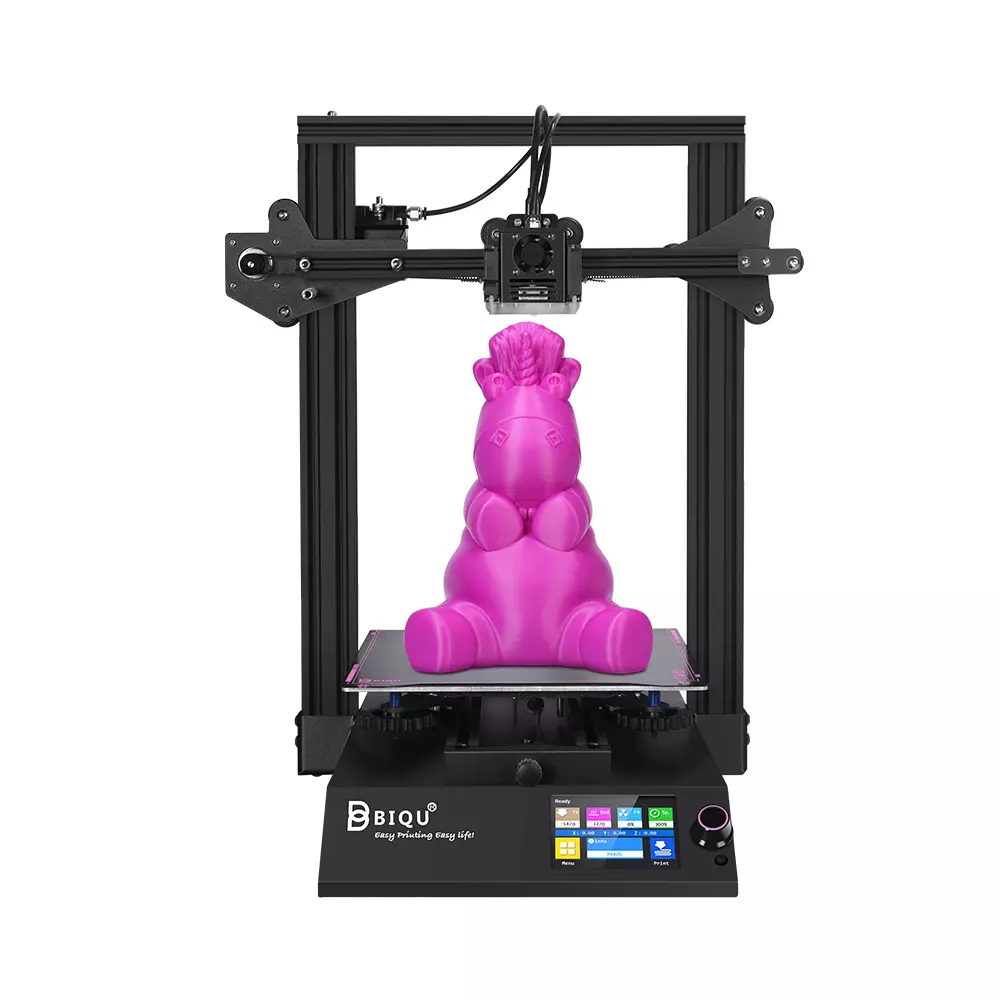
Compare BigTreeTech BIQU B1 vs Creality 3D Ender 6 vs Creality 3D CR5 PRO H
Comparison between the best 3D printers
Choose the best 3D printer at the best price. The cheapest 3D printers are here.
Buy a 3D printer here with 3D Fila.
 |
 |
 |
|
| Model | BigTreeTech BIQU B1 |
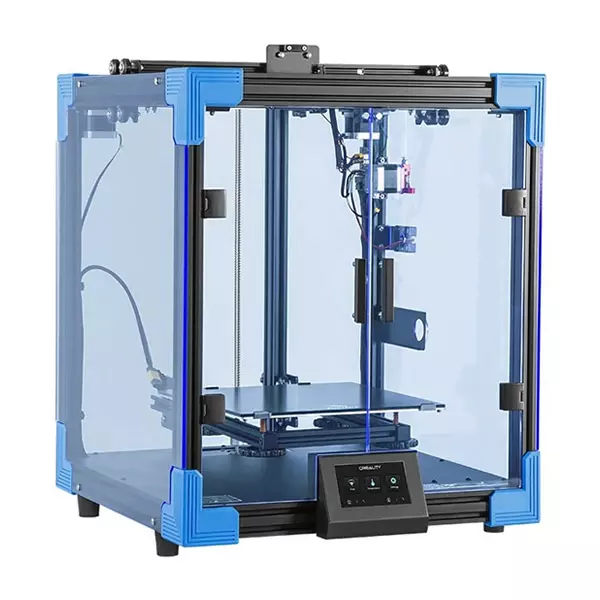
Creality 3D Ender 6[BUY Ender 6] |
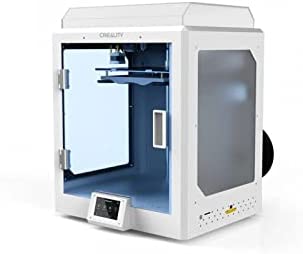
Creality 3D CR5 PRO H[BUY CR5 PRO H] |
| Printing Material | Filament | Filament | Filament |
| Estimated price | $269,00 | $499,00 | $1300,00 |
| Date of registration in the system | |||
| Fabricante | BigTreeTech | Creality 3D | Creality 3D |
| Release Year | 2020 | 2020 | 2022 |
| Print Volume [mm] | 235x235x270 | 250x250x400 | 300x225x380 |
| Printer Size [mm] | 412x402x492 | 495x495x650 | 530x487x612 |
| Weight [kg] | 8,00 | 22 | 32,5 |
| Power Loss Recovery | YES | YES | YES |
| Enclosed printer | NO | YES | NO |
| Bed Leveling | Manual | Manual | Automatic |
| Filament End Sensor | YES | YES | YES |
| Bed type | Heated | Heated | Heated |
| Power supply system | Bowden | Bowden | Bowden |
| Standard nozzle | 0,4 | 0,4 | 0,4 |
| Maximum Nozzle Temperature [°C] | 250 | 260 | 300 |
| Maximum Bed Temperature [°C] | 100 | 100 | 100 |
| Maximum printing speed [mm/s] | 100 | 150 | 100 |
| Filament holder | YES | YES | YES |
| Camera for supervision | NO | NO | NO |
| Recommended filaments | PLA, TPU, ABS, PETG | PLA, TPU, ABS, PETG | PLA, PETG, Tritan, Flex, ABS |
| Recommended slicers | Cura, Simplify, Slic3r | Cura, Simplify, Slic3r | Cura, Simplify, Slic3r, IdeaMaker |
| Maximum Resolution [mm] | 0,1 | 0,1 | 0,1 |
| Kinematics | - | - | - |
| Extruder Type | - | - | - |
| Klipper Firmware | NO | NO | NO |
| Input Shaping | NO | NO | NO |
| Max Volumetric Flow [mm³/s] | - | - | - |
| Power Supply | 24V / 360W | 24V / 504W | 110/220V / 350W |
| Connectivity | SD / USB | SD / USB | SD / USB |
| Release date | 2020 | 2020 | 2022 |
| Extra features | The BIQU B1 is an advanced 3D printer with a silent 32-bit BTT SKR V1.4 motherboard and ARM Cortex-M3 CPU, offering DIY interfaces (I2C, SPI, WiFi) and dual Z-axis. Its dual BTT B1 TFT35 V3.0 operating system allows real-time monitoring and multiple printing modes, including G-code visualization effects. It stands out for its BIQU SSS (Super Spring Steel), ensuring easy model adhesion and simplified removal, with the possibility of using it on both sides. It includes a filament sensor, automatically pausing printing in case of filament breakage. The multicolored RGB lights integrated into the hotend allow you to view the printing status even at night. Additional notes include the need for a BIQU-specific Type-C cable and extra interfaces for smart filament sensor and BL Touch. | The Creality Ender 6 stands out in the world of 3D printers with its CoreXY system, offering fast and high-quality prints. With a robust design, it has acrylic panels to protect against air currents, optimizing the printing of materials that require higher temperatures. It features a generic Creality hotend, effective up to ~240°C. Its differentials include 10mm GATES belts, promoting stability at high speeds, and a 360W power supply for reliable performance. The machine also has an intuitive user interface through a 4.3-inch touchscreen. | The Creality CR-5 PRO H 3D Printer stands out with a high-temperature nozzle (up to 300°C), a 300 x 225 x 380mm print volume, and a closed chamber for thermal stability. It includes BLTouch auto-leveling, a carbon-crystal silica glass base for easy model grip and removal, a filament sensor, and a resume print function. It has a 4.3-inch touchscreen interface, quiet operation, an attractive design, and is pre-assembled, ideal for technical materials. |
| Support for multiple colors and materials (AMS and CFS) | NO | NO | NO |
Notes * |
|||
| Cost-benefit | 8 / 10 | 7 / 10 | 5 / 10 |
| Hardware | 1 / 10 | 1.5 / 10 | 3 / 10 |
| Screen | . | . | . |
| Print volume | 10 / 10 | 10 / 10 | 10 / 10 |
| Performance | 6 / 10 | 7 / 10 | 6 / 10 |
| [BUY Ender 6] | [BUY CR5 PRO H] |
Conclusion |
| In comparing the three 3D printers—BIQU B1, Ender 6, and CR-5 PRO H—it's essential to weigh their features against their prices to find the best option for specific needs. The **BIQU B1**, being the most affordable, offers significant value for its price, particularly for beginners or hobbyists who are seeking a reliable printer without a steep investment. It is equipped with essential features such as a heated bed, filament end sensor, and decent print volume. However, it lacks an enclosed build, which could limit printing with certain materials that require stable environments. Next, the **Ender 6** sits in the mid-range price category and is characterized by its faster printing capabilities due to its CoreXY system, and it features an enclosed build which enhances thermal stability, making it a better option for a wider variety of materials. While its print volume is slightly larger than that of the BIQU B1, both the hardware and the performance ratings suggest that it provides a good balance of cost-to-features for more serious users. Finally, the **CR-5 PRO H**, being the most expensive, offers advanced features such as automatic bed leveling and a high-temperature nozzle. It is ideal for professional users or those who need to print with specialized materials. The closed chamber also makes it particularly attractive for achieving high-quality results with temperature-sensitive filaments. However, the higher price point may not justify the additional features for everyday users or newcomers to 3D printing. In summary, for those on a budget or just starting out, the **BIQU B1** is an excellent choice. The **Ender 6** is suitable for users looking for a balance between performance and price, with enhanced capabilities compared to the B1. The **CR-5 PRO H** is best suited for professionals who need advanced features and are prepared to invest in their setup. Thus, the best choice ultimately depends on the user’s specific requirements and budget considerations, making all three printers viable options in their respective categories. |