
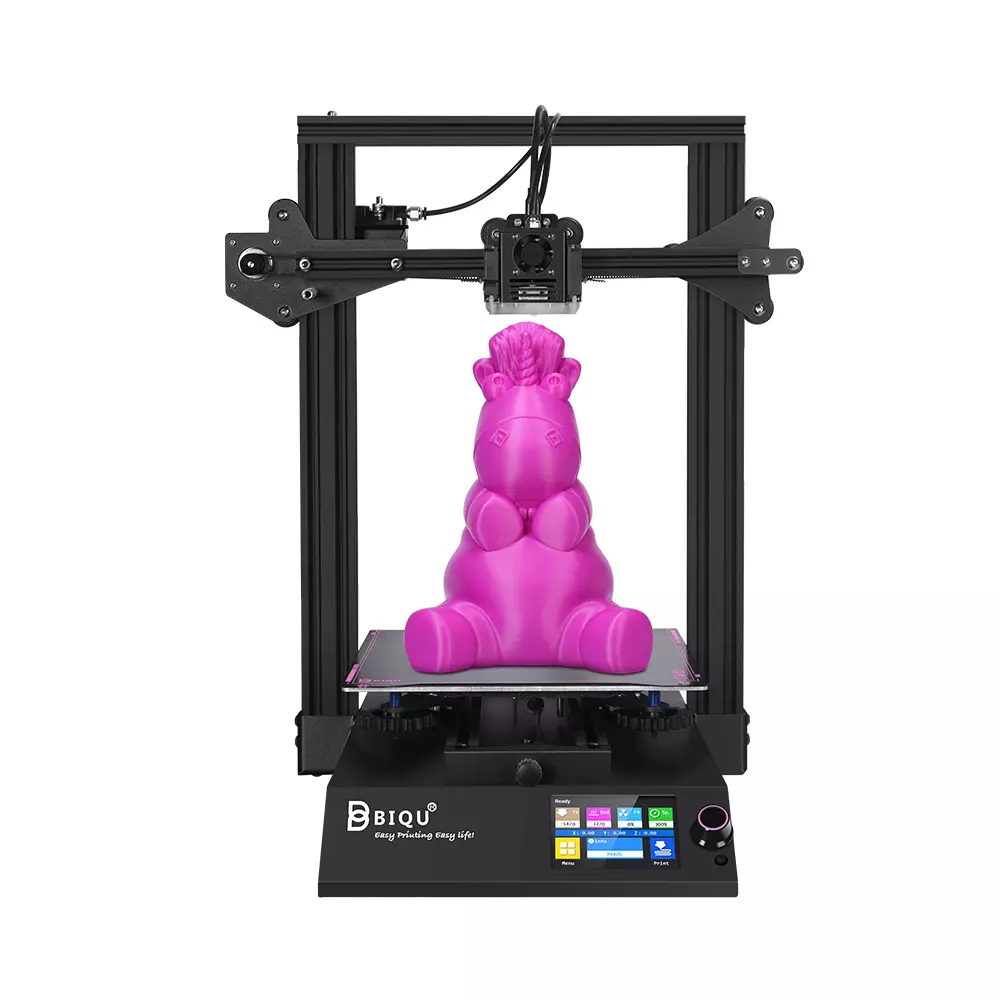
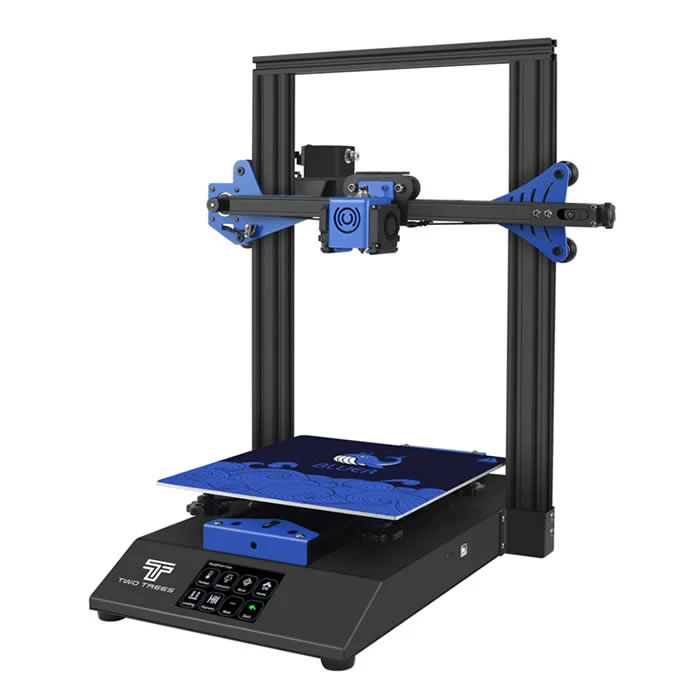
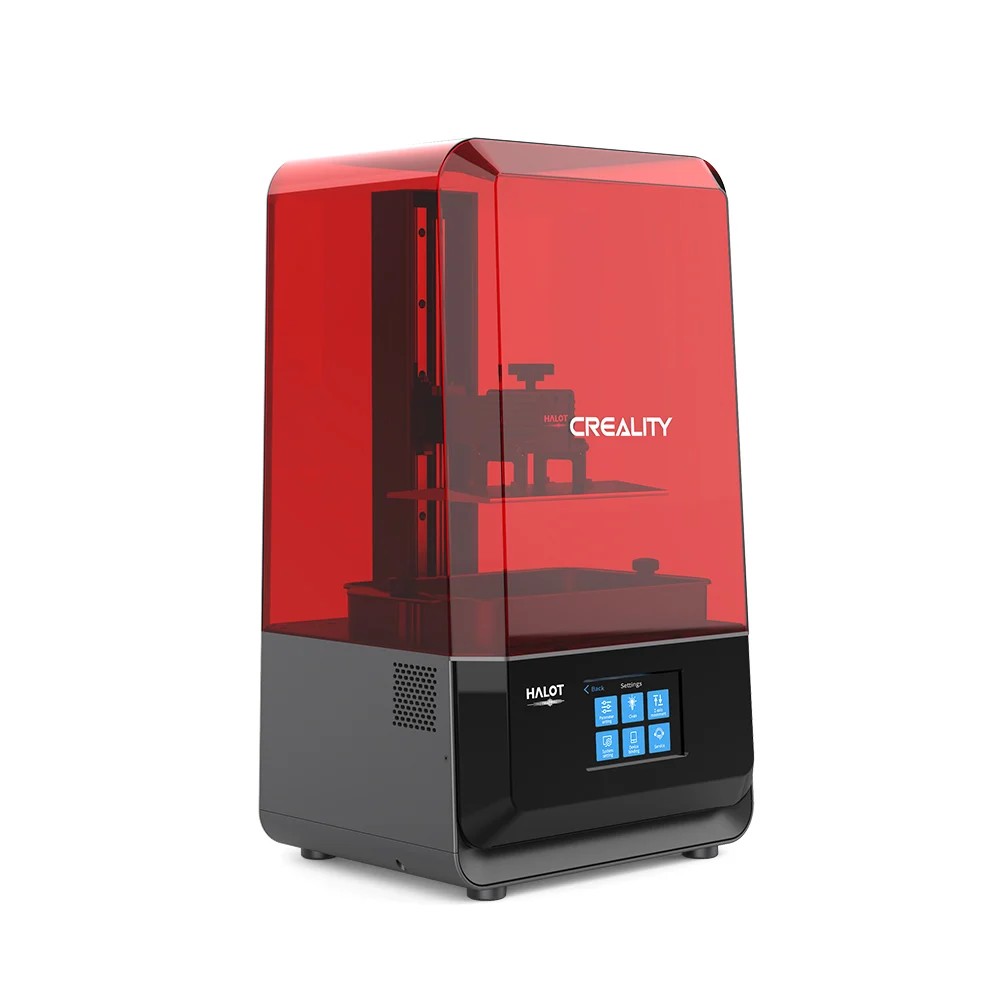
Compare BigTreeTech BIQU B1 vs TwoTrees Bluer vs Creality 3D Halot Lite
Comparison between the best 3D printers
Choose the best 3D printer at the best price. The cheapest 3D printers are here.
Buy a 3D printer here with 3D Fila.
 |
 |
 |
|
| Model | BigTreeTech BIQU B1 |
TwoTrees Bluer |
Creality 3D Halot Lite |
| Printing Material | Filament | Filament | Resin |
| Estimated price | $269,00 | $169,00 | $400,00 |
| Date of registration in the system | |||
| Fabricante | BigTreeTech | TwoTrees | Creality 3D |
| Release Year | 2020 | 2019 | 2021 |
| Print Volume [mm] | 235x235x270 | 230x230x280 | 192x120x200 |
| Printer Size [mm] | 412x402x492 | 400x410x520 | 330x301x572 |
| Weight [kg] | 8,00 | 8 | 10,6 |
| Power Loss Recovery | YES | YES | NO |
| Maximum Resolution [mm] | 0,1 | 0,1 | 0,01 |
| Kinematics | - | - | - |
| Extruder Type | - | - | - |
| Klipper Firmware | NO | NO | NO |
| Input Shaping | NO | NO | NO |
| Max Volumetric Flow [mm³/s] | - | - | - |
| Power Supply | 24V / 360W | 240W | |
| Connectivity | SD / USB | SD / USB | SD / USB |
| Release date | 2020 | 2019 | 2021 |
| Extra features | The BIQU B1 is an advanced 3D printer with a silent 32-bit BTT SKR V1.4 motherboard and ARM Cortex-M3 CPU, offering DIY interfaces (I2C, SPI, WiFi) and dual Z-axis. Its dual BTT B1 TFT35 V3.0 operating system allows real-time monitoring and multiple printing modes, including G-code visualization effects. It stands out for its BIQU SSS (Super Spring Steel), ensuring easy model adhesion and simplified removal, with the possibility of using it on both sides. It includes a filament sensor, automatically pausing printing in case of filament breakage. The multicolored RGB lights integrated into the hotend allow you to view the printing status even at night. Additional notes include the need for a BIQU-specific Type-C cable and extra interfaces for smart filament sensor and BL Touch. | The Bluer offers interesting features such as automatic bed leveling, a 3.5-inch color touchscreen for easy operation, and a filament sensor to prevent print failures. It has a robust metal extruder and a generous 230 x 230 x 280 mm print volume, suitable for a variety of projects. The community mentions improvements made by Two Trees based on feedback, increasing its reliability. | Crealityâs Halot Lite printer stands out in the mid-size resin 3D printing segment, with a build volume of 192 x 120 x 200 mm and 50 micron resolution. It offers a monochrome LCD for fast and durable printing, and an upgraded light source that ensures over 80% uniformity across the print bed. It includes Wi-Fi connectivity for remote control and updates, an ARM Cortex CPU for efficient performance, and is compatible with Halot Box and Lychee slicing software. It also has an activated carbon filter to reduce odors. |
| Support for multiple colors and materials (AMS and CFS) | NO | NO | NO |
Notes * |
|||
| Cost-benefit | 8 / 10 | 8 / 10 | 7 / 10 |
| Hardware | 1 / 10 | 1 / 10 | 2 / 10 |
| Screen | . | . | . |
| Print volume | 10 / 10 | 10 / 10 | 10 / 10 |
| Performance | 6 / 10 | 7 / 10 | 5 / 10 |
Conclusion |
| In comparing the three 3D printers—BIQU B1, Bluer, and Creality Halot Lite—it is clear that each model has its own set of strengths and weaknesses, appealing to different user needs and budgets. The **BIQU B1**, while not the cheapest option, offers a strong balance of features, including a dual Z-axis, filament sensor, and advanced 32-bit motherboard. These capabilities make it an excellent choice for users looking for versatility and ease of use in their printing projects. Its higher print volume also allows for more flexibility when handling larger prints. The **Bluer** stands out as a budget-friendly option. It provides essential features like automatic bed leveling and a filament sensor, making it a reliable choice for beginners or those on a tighter budget. However, its slightly smaller print volume and lower hardware specifications compared to the BIQU B1 may limit its utility for more advanced projects. On the other hand, the **Creality Halot Lite** is geared towards users focused on resin printing, offering high resolution and effective light distribution across the print bed. Although it has a smaller print volume and is priced higher, its specialized features for resin printing cater well to enthusiasts looking for quality in prints. It excels in performance, but at a cost that might be considered steep relative to its capabilities. In summary, for users seeking a well-rounded 3D printing experience, the **BIQU B1** is a robust choice. For those looking for affordability and essential features, the **Bluer** serves as a practical solution. Meanwhile, the **Creality Halot Lite** may appeal to dedicated resin printing enthusiasts willing to invest more for superior detail and performance. Ultimately, the best choice depends on individual priorities, whether they be budget constraints, print volume requirements, or specific printing technology preferences. |