
Compare BigTreeTech BIQU B1 vs TwoTrees Bluer vs Creality Ender 3 V3 SE
Comparison between the best 3D printers
Choose the best 3D printer at the best price. The cheapest 3D printers are here.
Buy a 3D printer here with 3D Fila.
 |
 |
 |
|
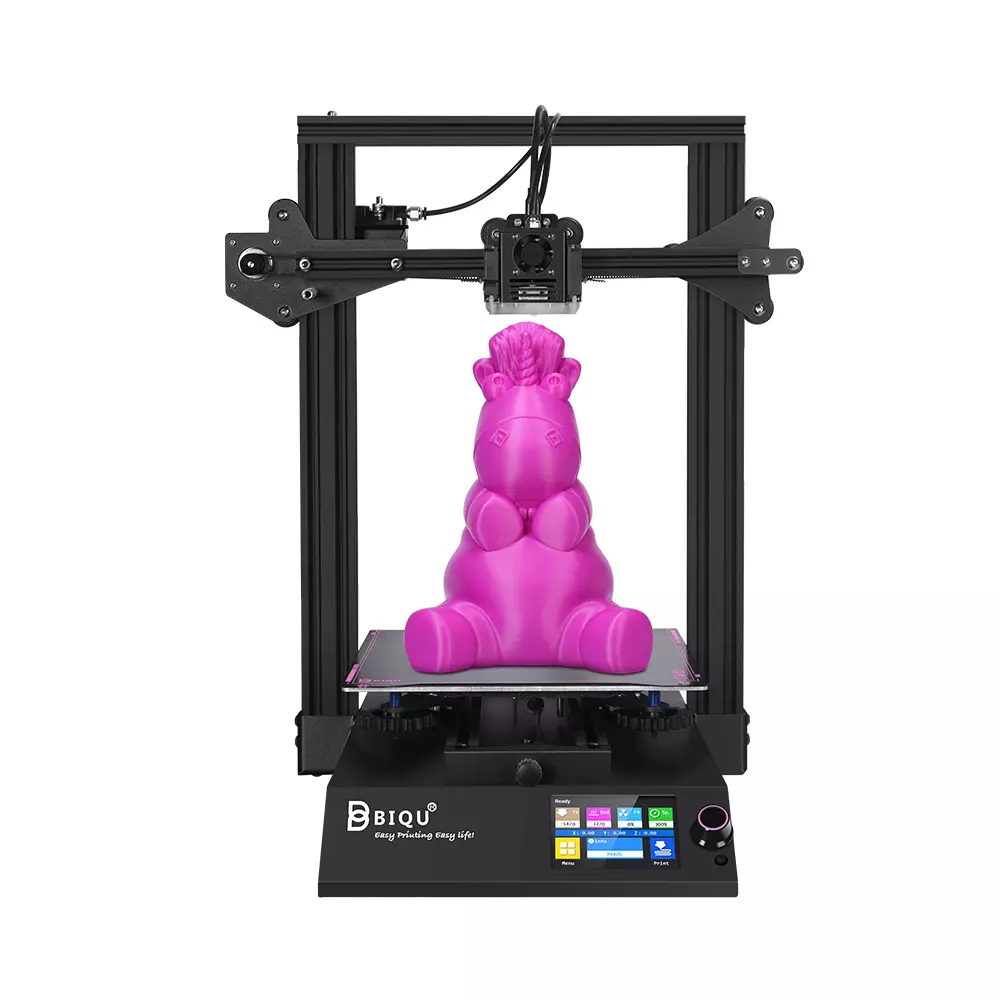
| Model | BigTreeTech BIQU B1 |
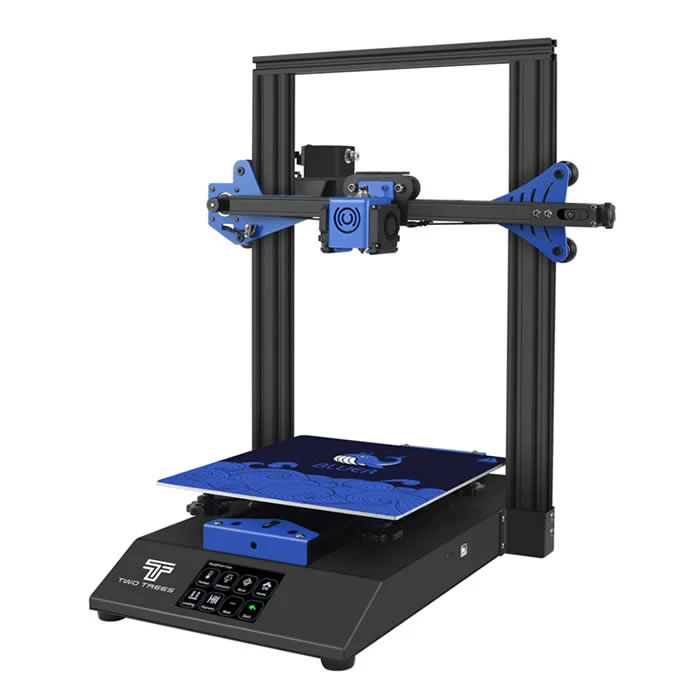
TwoTrees Bluer |
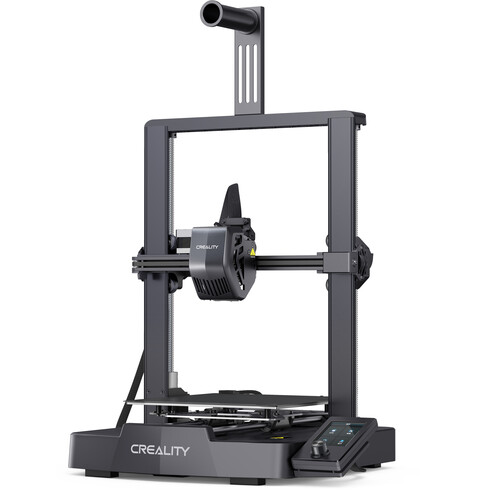
Creality Ender 3 V3 SE[BUY Ender 3 V3 SE] |
| Printing Material | Filament | Filament | Filament |
| Estimated price | $269,00 | $169,00 | $199,00 |
| Date of registration in the system | |||
| Fabricante | BigTreeTech | TwoTrees | Creality |
| Release Year | 2020 | 2019 | 2023 |
| Print Volume [mm] | 235x235x270 | 230x230x280 | 220x220x250 |
| Printer Size [mm] | 412x402x492 | 400x410x520 | 420x366x490 |
| Weight [kg] | 8,00 | 8 | 7,34 |
| Power Loss Recovery | YES | YES | NO |
| Enclosed printer | NO | NO | NO |
| Bed Leveling | Manual | Manual | Automatic |
| Filament End Sensor | YES | YES | NO |
| Bed type | Heated | Heated | Heated |
| Power supply system | Bowden | Bowden | Direct Drive |
| Standard nozzle | 0,4 | 0,4 | 0,4 |
| Maximum Nozzle Temperature [°C] | 250 | 260 | 260 |
| Maximum Bed Temperature [°C] | 100 | 100 | 100 |
| Maximum printing speed [mm/s] | 100 | 200 | 250 |
| Filament holder | YES | YES | YES |
| Camera for supervision | NO | NO | NO |
| Recommended filaments | PLA, TPU, ABS, PETG | PLA, PETG | PLA, PETG e TPU (95A+) |
| Recommended slicers | Cura, Simplify, Slic3r | Cura, Simplify, Slic3r | Creality Print, Cura 5.0 ou superior, Prusa Slicer, Orca |
| Maximum Resolution [mm] | 0,1 | 0,1 | 0,1 |
| Kinematics | - | - | - |
| Extruder Type | - | - | - |
| Klipper Firmware | NO | NO | NO |
| Input Shaping | NO | NO | NO |
| Max Volumetric Flow [mm³/s] | - | - | - |
| Power Supply | 24V / 360W | 240W | 350 W |
| Connectivity | SD / USB | SD / USB | SD |
| Release date | 2020 | 2019 | 2023 |
| Extra features | The BIQU B1 is an advanced 3D printer with a silent 32-bit BTT SKR V1.4 motherboard and ARM Cortex-M3 CPU, offering DIY interfaces (I2C, SPI, WiFi) and dual Z-axis. Its dual BTT B1 TFT35 V3.0 operating system allows real-time monitoring and multiple printing modes, including G-code visualization effects. It stands out for its BIQU SSS (Super Spring Steel), ensuring easy model adhesion and simplified removal, with the possibility of using it on both sides. It includes a filament sensor, automatically pausing printing in case of filament breakage. The multicolored RGB lights integrated into the hotend allow you to view the printing status even at night. Additional notes include the need for a BIQU-specific Type-C cable and extra interfaces for smart filament sensor and BL Touch. | The Bluer offers interesting features such as automatic bed leveling, a 3.5-inch color touchscreen for easy operation, and a filament sensor to prevent print failures. It has a robust metal extruder and a generous 230 x 230 x 280 mm print volume, suitable for a variety of projects. The community mentions improvements made by Two Trees based on feedback, increasing its reliability. | The Ender 3 V3 SE stands out for its easy assembly, excellent automatic bed leveling, direct extrusion and easy interface, ideal for beginners. Although it uses a coated PC board, it offers robust performance, with print speeds of up to 250mm/s, thanks to a solid construction and linear rods on the Y axis. It lacks Wi-Fi, preferring file transfer via SD card. |
| Support for multiple colors and materials (AMS and CFS) | NO | NO | NO |
Notes * |
|||
| Cost-benefit | 8 / 10 | 8 / 10 | 8 / 10 |
| Hardware | 1 / 10 | 1 / 10 | 2.1 / 10 |
| Screen | . | . | . |
| Print volume | 10 / 10 | 10 / 10 | 10 / 10 |
| Performance | 6 / 10 | 7 / 10 | 7 / 10 |
| [BUY Ender 3 V3 SE] |
Conclusion |
| In conclusion, when comparing the BIQU B1, Bluer, and Ender 3 V3 SE, each 3D printer offers unique advantages suited to different users and needs. The **BIQU B1** stands out for its advanced features such as a silent 32-bit motherboard and dual Z-axis, making it appealing for those looking for a more sophisticated, customizable experience. Its larger print volume and specialized features, like the filament sensor and real-time monitoring, position it as a strong choice for dedicated users willing to invest more. The **Bluer**, while more affordable, offers a solid set of features, including automatic bed leveling and a touchscreen interface. Its design reflects improvements based on user feedback, which increases its reliability. This printer strikes a good balance for hobbyists who want decent functionality at a lower price point. On the other hand, the **Ender 3 V3 SE** is particularly advantageous for beginners. Its direct drive and excellent automatic leveling capabilities, along with user-friendly assembly, make it an ideal choice for those entering the world of 3D printing. Although it has a lower maximum printing speed compared to the others, it compensates with its robust performance and user-friendly interface, making it a great value for novices. In summary, if budget is the primary concern, the Bluer is an excellent choice. If advanced features and customization are priorities, the BIQU B1 is the way to go. For beginners seeking ease of use and reliable performance, the Ender 3 V3 SE stands out as the best option. Each printer has its strengths, catering to diverse user preferences and requirements in the 3D printing landscape. |