

Compare Creality 3D K1C vs Creality 3D Halot One Plus
Comparison between the best 3D printers
Choose the best 3D printer at the best price. The cheapest 3D printers are here.
Buy a 3D printer here with 3D Fila.
 |
 |
|
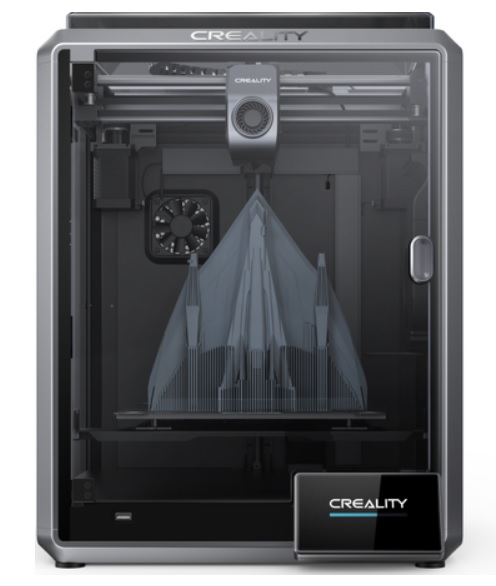
| Model | Creality 3D K1C[BUY K1C] |
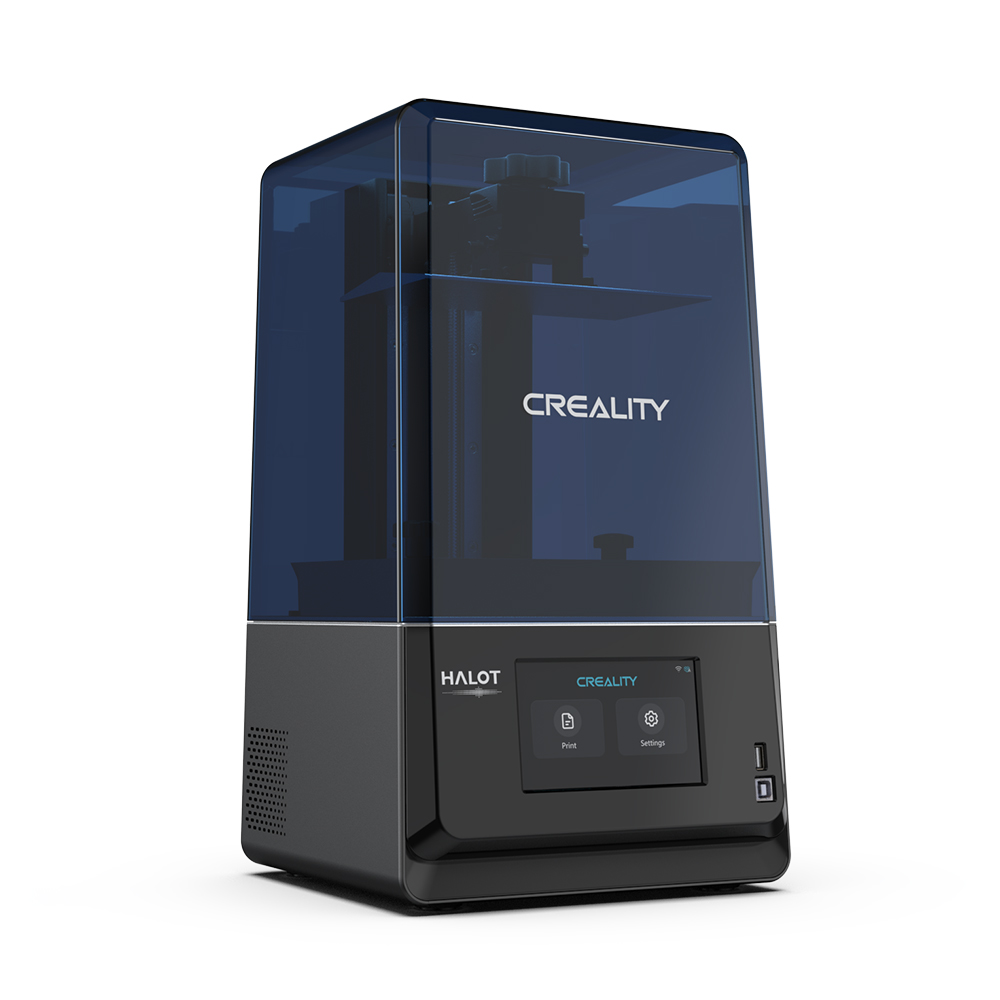
Creality 3D Halot One Plus[BUY Halot One Plus] |
| Printing Material | Filament | Resin |
| Estimated price | $449,00 | $399,00 |
| Date of registration in the system | ||
| Manufacturer | Creality 3D | Creality 3D |
| Release Year | 2024 | 2022 |
| Print Volume [mm] | 220x220x250 | 102x172x160 |
| Printer Size [mm] | 355x355x480 | 236x245x416 |
| Weight [kg] | 12,4 | 6,8 |
| Power Loss Recovery | YES | NO |
| Maximum Resolution [mm] | 0,1 | |
| Kinematics | - | - |
| Extruder Type | - | - |
| Klipper Firmware | NO | NO |
| Input Shaping | NO | NO |
| Max Volumetric Flow [mm³/s] | - | - |
| Power Supply | 110/220V / 350W | |
| Connectivity | Ethernet / USB / Wi-Fi | USB / Wi-Fi |
| Release date | 2024 | 2022 |
| Extra features | The Creality K1C is a fully enclosed CoreXY 3D printer featuring an all-metal extruder, tri-metal âUnicornâ nozzle for abrasive materials, automatic bed leveling with nozzle cleaning, AI-assisted failure detection, built-in camera for timelapse, enhanced cooling system, root access to Klipper firmware, and compatibility with PLA-CF, PA-CF, PET-CF, TPU, ABS, and more. | Crealityâs Halot-One Plus printer stands out for its 4K+ resolution that delivers sharp details and consistent surfaces. It features a fast and responsive 5-inch LCD interface, as well as easy-to-use Halot Box software. It offers Wi-Fi connectivity and remote print monitoring, as well as an integrated air filtration unit, a rare feature in this price range. The Halot-One Plus is designed for the prosumer market, combining high quality with advanced features such as Wi-Fi and air filtration. During testing, it stood out for implementing these features at an affordable cost, while maintaining functionality. It features an attractive design with a UV-resistant blue cover and a robust dual rail system for the Z-axis, ensuring smooth and consistent movements. The large LCD and high resolution of the LCD mask (4320 x 2560) are other strong points, allowing for fine details and textures in prints. |
| Support for multiple colors and materials (AMS and CFS) | NO | NO |
Notes * |
||
| Cost-benefit | 8 / 10 | 7 / 10 |
| Hardware | 4.8 / 10 | 2.4 / 10 |
| Screen | . | . |
| Print volume | 10 / 10 | 10 / 10 |
| Performance | 10 / 10 | 5 / 10 |
| [BUY K1C] | [BUY Halot One Plus] |
Conclusion |
Conclusion: Comparing the K1C and Halot One Plus 3D Printers When evaluating the K1C and Halot One Plus 3D printers, it's essential to consider the strengths and weaknesses of each model along with the specific needs of potential users. K1C (Creality 3D)
Halot One Plus (Creality 3D)
Final Verdict: Choosing between the K1C and Halot One Plus ultimately depends on the user's profile. For users focused on speed, versatility in materials, and a robust feature set, the K1C is the superior choice. Its high-speed capabilities, extensive material compatibility, and advanced features make it ideal for those who require efficiency and quality. Conversely, if the primary goal is to achieve high-resolution prints, particularly for detailed miniatures or models, the Halot One Plus excels in this area with its exceptional resolution and user-friendly features. However, users should be aware of its limitations in build volume and print speed. In summary, the K1C is recommended for users looking for a versatile, high-speed FDM printer, while the Halot One Plus is best suited for those who prioritize detail and are willing to work within the constraints of a smaller print area. |