

Compare Sethi 3D FARM vs Anycubic Kobra S1 Combo
Comparison between the best 3D printers
Choose the best 3D printer at the best price. The cheapest 3D printers are here.
Buy a 3D printer here with 3D Fila.
 |
 |
|
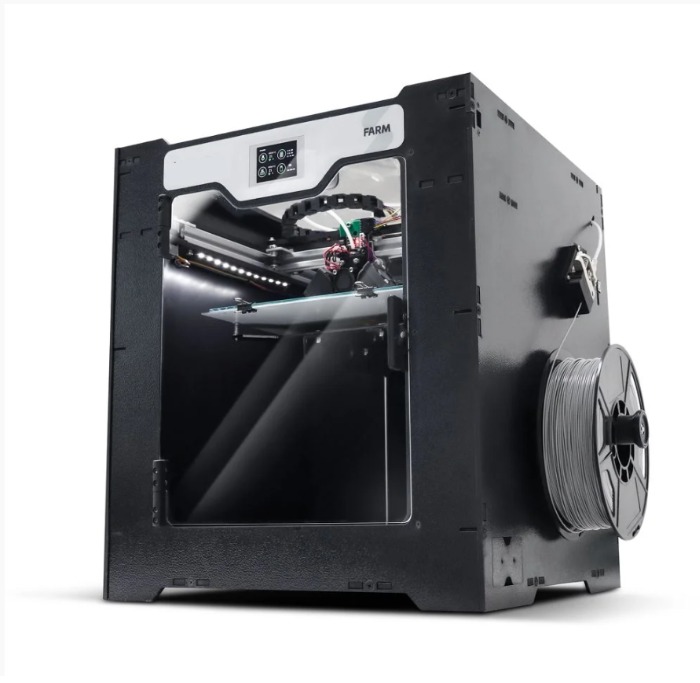
| Model | Sethi 3D FARM |
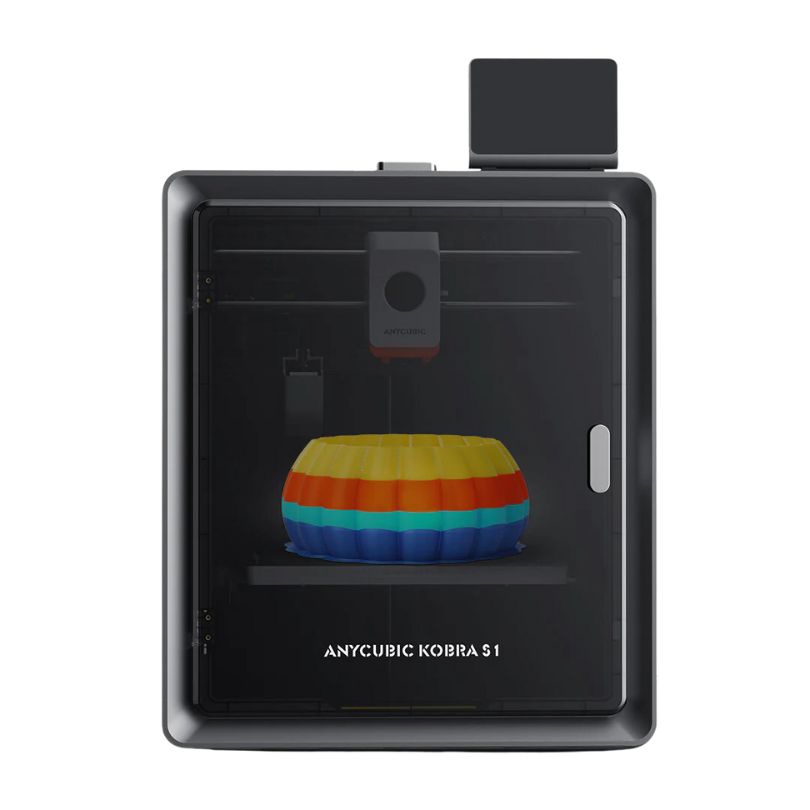
Anycubic Kobra S1 Combo[BUY Kobra S1 Combo] |
| Printing Material | Filament | Filament |
| Estimated price | $1127,00 | $599,00 |
| Date of registration in the system | ||
| Manufacturer | Sethi 3D | Anycubic |
| Release Year | 2021 | 2025 |
| Print Volume [mm] | 240x240x240 | 250x250x250 |
| Printer Size [mm] | 550x42x500 | 400x410x490 |
| Weight [kg] | 15,7 | 18 |
| Power Loss Recovery | YES | YES |
| Enclosed printer | YES | YES |
| Bed Leveling | Automatic | Automatic |
| Filament End Sensor | YES | YES |
| Bed type | Heated | Heated |
| Power supply system | Bowden | Direct Drive |
| Standard nozzle | 0,4 | 0,4 |
| Maximum Nozzle Temperature [°C] | 270 | 320 |
| Maximum Bed Temperature [°C] | 120 | 120 |
| Maximum printing speed [mm/s] | 80 | 600 |
| Filament holder | YES | YES |
| Camera for supervision | NO | YES |
| Recommended filaments | PLA, PETG, Tritan, Flex, ABS | PLA, PETG, TPU[1], ABS, ASA |
| Recommended slicers | Cura, Simplify, Slic3r | Anycubic Slicer Next, Orca Slicer |
| Maximum Resolution [mm] | 0,01 | |
| Kinematics | - | - |
| Extruder Type | - | - |
| Klipper Firmware | NO | NO |
| Input Shaping | NO | NO |
| Max Volumetric Flow [mm³/s] | - | - |
| Power Supply | 450 W | |
| Connectivity | USB | USB, Wifi |
| Release date | 2021 | 2025 |
| Extra features | Sethiâs Farm printer offers a generous 240 x 240 x 240 mm print area, ideal for large projects. Its intuitive touchscreen display makes it easy to operate, while the intelligent sensor prevents problems by detecting filament shortages or jams. Its power recovery feature allows you to resume printing after interruptions. It stands out for its 9-point optical auto-leveling and high-performance heated bed, ensuring accuracy and versatility on different materials. Its 32-bit electronics and silent drivers promote a smooth and efficient experience. In addition, the Farm has a closed cabinet, expanding the range of usable polymers, and a turbo cooling system to speed up the process between prints. The machine also offers practicality with a storage drawer and simplified software updates. | The Anycubic Kobra S1 Combo is a fully enclosed CoreXY 3D printer with speeds up to 600mm/s and 20,000mm/s² acceleration. It features a 320°C hotend, native multicolor printing (4 to 8 colors with ACE Pro), and active filament drying. Equipped with LeviQ 3.0 auto-leveling, camera monitoring, AI failure detection, carbon filtration, and a 4.3â touchscreen, it ensures high-quality, efficient, and reliable 3D printing. |
| Support for multiple colors and materials (AMS and CFS) | NO | YES |
Notes * |
||
| Cost-benefit | 5 / 10 | 8 / 10 |
| Hardware | 2.5 / 10 | 8.1 / 10 |
| Screen | . | . |
| Print volume | 10 / 10 | 10 / 10 |
| Performance | 5 / 10 | 10 / 10 |
| [BUY Kobra S1 Combo] |
Conclusion |
| In comparing the Sethi 3D FARM and the Anycubic Kobra S1 Combo, it is clear that both printers have unique strengths appealing to different user needs and priorities. The Sethi 3D FARM, while costing more, offers a robust build with a decent print volume and features like silent drivers and a turbo cooling system. Its fully enclosed design makes it suitable for a wider range of materials, while automatic bed leveling and intelligent filament monitoring ensure a user-friendly experience. However, its performance in terms of speed is limited compared to its competitor. On the other hand, the Anycubic Kobra S1 Combo, released more recently, showcases advanced technology with faster maximum printing speeds and a higher temperature hotend, perfect for users who prioritize rapid production and versatility. Its connectivity options and multicolor printing capabilities further enhance its functionality, making it a compelling choice for those aiming for more complex designs. In terms of cost-benefit, the Kobra S1 Combo offers a better score, making it a more attractive option for budget-conscious buyers who still want performance and flexibility. Conversely, the FARM provides excellent reliability and features that can justify its price for users focused on high-quality prints and diverse material compatibility. Ultimately, your choice should align with your specific printing needs, whether it be speed, material versatility, or experience with 3D printing technologies. |