
Compare Creality 3D Ender 3 V2 Neo vs TwoTrees Bluer
Comparison between the best 3D printers
Choose the best 3D printer at the best price. The cheapest 3D printers are here.
Buy a 3D printer here with 3D Fila.
 |
 |
|
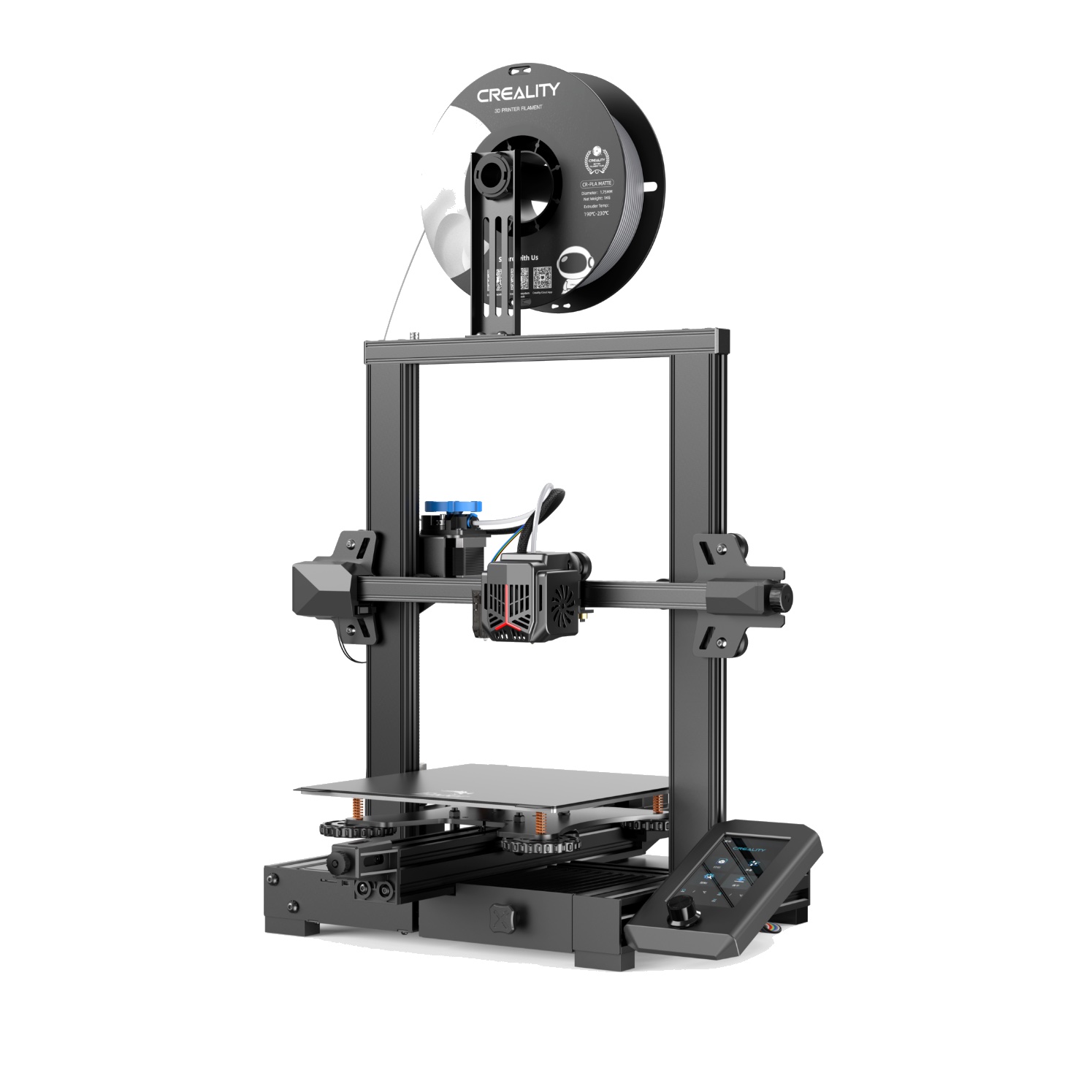
| Model | Creality 3D Ender 3 V2 Neo[BUY Ender 3 V2 Neo] |
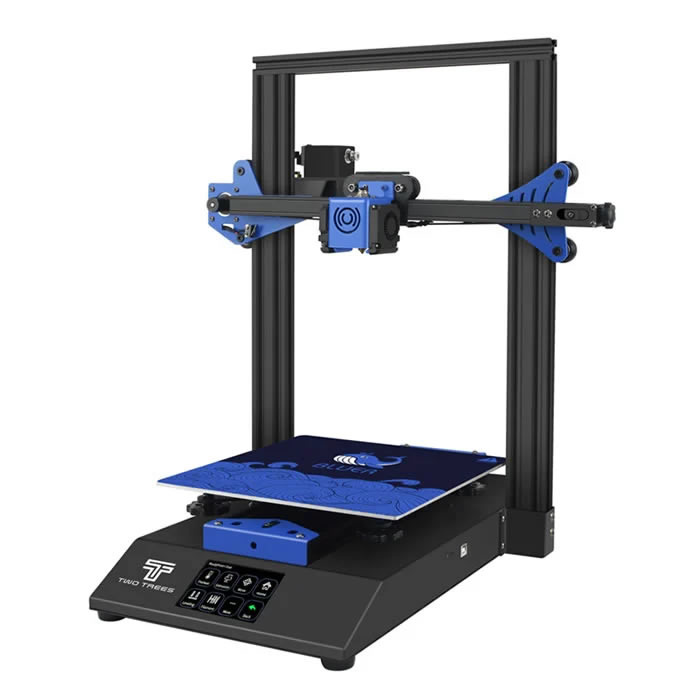
TwoTrees Bluer |
| Printing Material | Filament | Filament |
| Estimated price | $310,00 | $169,00 |
| Date of registration in the system | ||
| Manufacturer | Creality 3D | TwoTrees |
| Release Year | 2022 | 2019 |
| Print Volume [mm] | 220x220x250 | 230x230x280 |
| Printer Size [mm] | 438x424x472 | 400x410x520 |
| Weight [kg] | 9,8 | 8 |
| Power Loss Recovery | YES | YES |
| Enclosed printer | NO | NO |
| Bed Leveling | Automatic | Manual |
| Filament End Sensor | YES | YES |
| Bed type | Heated | Heated |
| Power supply system | Bowden | Bowden |
| Standard nozzle | 0,4 | 0,4 |
| Maximum Nozzle Temperature [°C] | 260 | 260 |
| Maximum Bed Temperature [°C] | 100 | 100 |
| Maximum printing speed [mm/s] | 80 | 200 |
| Filament holder | YES | YES |
| Camera for supervision | NO | NO |
| Recommended filaments | PLA, PETG | PLA, PETG |
| Recommended slicers | Cura, Simplify, Slic3r, IdeaMaker | Cura, Simplify, Slic3r |
| Maximum Resolution [mm] | 0,1 | 0,1 |
| Kinematics | - | - |
| Extruder Type | - | - |
| Klipper Firmware | NO | NO |
| Input Shaping | NO | NO |
| Max Volumetric Flow [mm³/s] | - | - |
| Power Supply | 240W | |
| Connectivity | SD / USB | SD / USB |
| Release date | 2022 | 2019 |
| Extra features | The Ender 3 V2 Neo printer stands out for its automatic bed leveling with the CR Touch system, ensuring high-quality initial layers. It features an all-metal Bowden extruder for increased durability and improved filament handling. Its flexible, PC-coated magnetic build plate makes it easy to remove prints and is durable and easy to clean. It also includes a new user interface with model preview and an updated gantry design. The Ender 3 V2 Neo maintains the same build volume and temperatures as the previous version, supporting popular filaments such as PLA and ABS. It features a quiet 32-bit mainboard and additional features such as a filament sensor, print recovery, simple 3-step assembly, an integrated toolbox, and belt tensioners. | The Bluer offers interesting features such as automatic bed leveling, a 3.5-inch color touchscreen for easy operation, and a filament sensor to prevent print failures. It has a robust metal extruder and a generous 230 x 230 x 280 mm print volume, suitable for a variety of projects. The community mentions improvements made by Two Trees based on feedback, increasing its reliability. |
| Support for multiple colors and materials (AMS and CFS) | NO | NO |
Notes * |
||
| Cost-benefit | 7 / 10 | 8 / 10 |
| Hardware | 2.4 / 10 | 1 / 10 |
| Screen | . | . |
| Print volume | 10 / 10 | 10 / 10 |
| Performance | 5 / 10 | 7 / 10 |
| [BUY Ender 3 V2 Neo] |
Conclusion |
| In concluding the comparison between the Creality 3D Ender 3 V2 Neo and the TwoTrees Bluer, several factors stand out that can guide potential buyers in making an informed choice. The **Creality 3D Ender 3 V2 Neo**, though priced higher, offers several advantages, particularly in automated features like bed leveling and an enhanced build plate. Its user-friendly interface and robust design cater to users seeking reliability and ease of use for consistent high-quality prints. The addition of a flexible magnetic build surface further simplifies print removal, which is appealing for both beginners and experienced users alike. Even with a slightly smaller print volume, the Ender 3 V2 Neo's build quality and performance justify its cost, making it a strong contender for those prioritizing durability and refinements in the printing process. On the other hand, the **TwoTrees Bluer** provides a more budget-friendly option without sacrificing essential features like bed leveling and a filament sensor. Despite its lower cost, it still delivers respectable print volume and versatility for a variety of materials. However, its slightly lesser hardware specifications and performance metrics compared to the Ender 3 V2 Neo might make it less appealing to those desiring the best-quality output or advanced capabilities. Overall, if budget constraints are a significant factor and users are seeking a capable printer for general use, the Bluer is a solid choice. Conversely, for users willing to invest a bit more for enhanced features, improved build quality, and a more user-friendly experience, the Ender 3 V2 Neo emerges as the preferable option. Ultimately, the decision should align with individual needs, priorities in print quality, and investment capacity. |