

Compare GTMax Core A2V2 vs Creality 3D Halot One Plus
Comparison between the best 3D printers
Choose the best 3D printer at the best price. The cheapest 3D printers are here.
Buy a 3D printer here with 3D Fila.
 |
 |
|
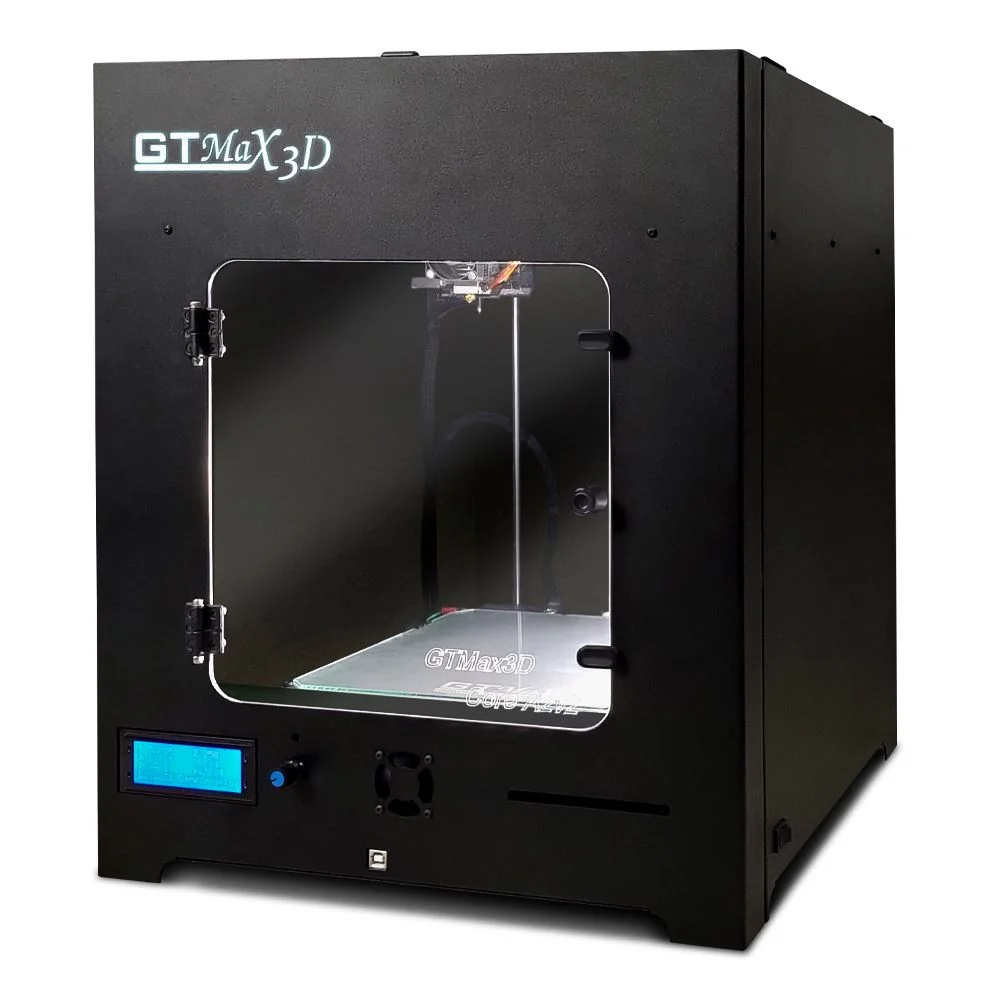
| Model | GTMax Core A2V2 |
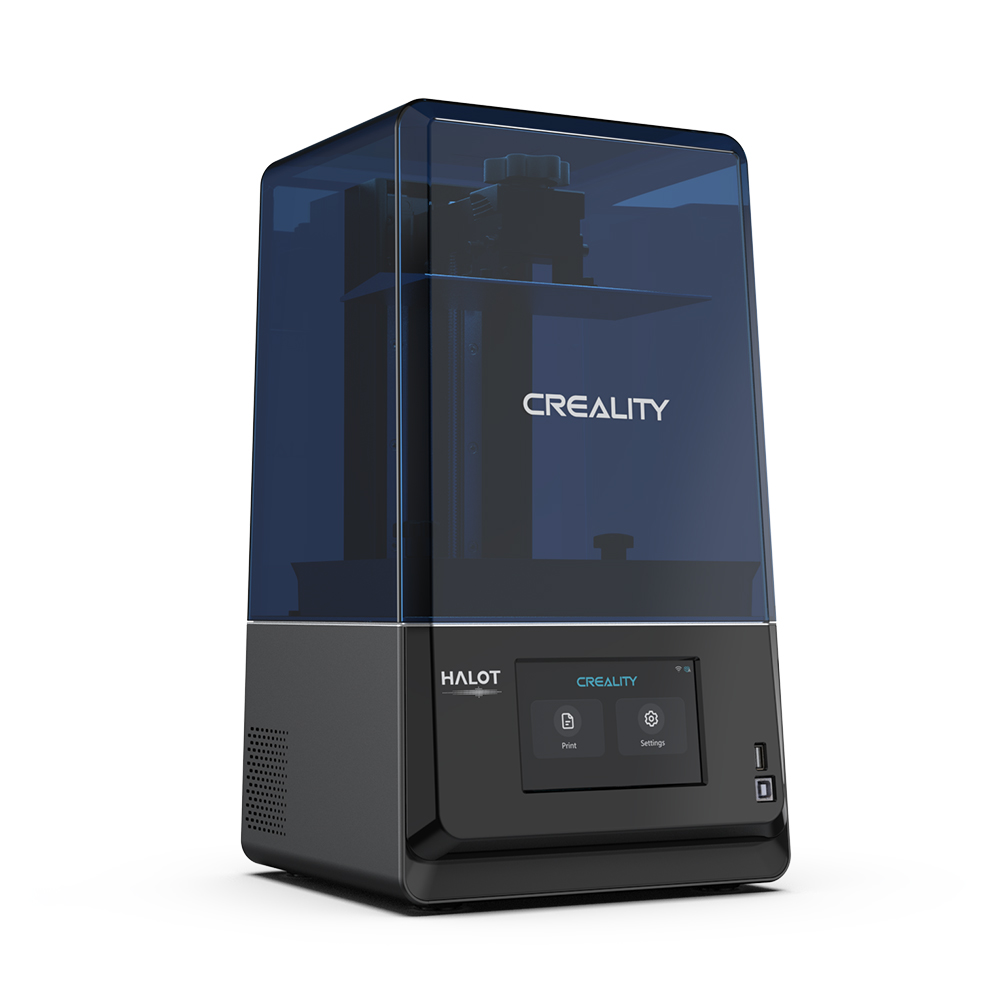
Creality 3D Halot One Plus[BUY Halot One Plus] |
| Printing Material | Filament | Resin |
| Estimated price | $684,00 | $399,00 |
| Date of registration in the system | ||
| Manufacturer | GTMax | Creality 3D |
| Release Year | 2019 | 2022 |
| Print Volume [mm] | 220x220x240 | 102x172x160 |
| Printer Size [mm] | 425x460x512 | 236x245x416 |
| Weight [kg] | 6,8 | |
| Power Loss Recovery | YES | NO |
| Maximum Resolution [mm] | 0,05 | |
| Kinematics | - | - |
| Extruder Type | - | - |
| Klipper Firmware | NO | NO |
| Input Shaping | NO | NO |
| Max Volumetric Flow [mm³/s] | - | - |
| Power Supply | ||
| Connectivity | SD / USB | USB / Wi-Fi |
| Release date | 2019 | 2022 |
| Extra features | The GTMax3D ProCore A2v2 is a compact and robust 3D printer with a printing area of ??220 x 220 x 240 mm. It offers high print quality, ranging from 0.05 mm to 0.32 mm. Its features include automatic filament detection and changing, travel speed of up to 300 mm/s, and a heated aluminum bed with a glass top. It has automatic bed leveling with 16 points and an all-metal hotend that reaches up to 298°C. The printer has a carbon steel frame with electrostatic painting, is automatic bivolt and has connectivity via USB and SD card. The Bowden system and core xy kinematics complete its advanced features. | Crealityâs Halot-One Plus printer stands out for its 4K+ resolution that delivers sharp details and consistent surfaces. It features a fast and responsive 5-inch LCD interface, as well as easy-to-use Halot Box software. It offers Wi-Fi connectivity and remote print monitoring, as well as an integrated air filtration unit, a rare feature in this price range. The Halot-One Plus is designed for the prosumer market, combining high quality with advanced features such as Wi-Fi and air filtration. During testing, it stood out for implementing these features at an affordable cost, while maintaining functionality. It features an attractive design with a UV-resistant blue cover and a robust dual rail system for the Z-axis, ensuring smooth and consistent movements. The large LCD and high resolution of the LCD mask (4320 x 2560) are other strong points, allowing for fine details and textures in prints. |
| Support for multiple colors and materials (AMS and CFS) | NO | NO |
Notes * |
||
| Cost-benefit | 6 / 10 | 7 / 10 |
| Hardware | 1.5 / 10 | 2.4 / 10 |
| Screen | . | . |
| Print volume | 10 / 10 | 10 / 10 |
| Performance | 7 / 10 | 5 / 10 |
| [BUY Halot One Plus] |
Conclusion |
| In comparing the Core A2V2 and the Halot One Plus 3D printers, several key factors emerge that can aid in making a purchasing decision. The Core A2V2, manufactured by GTMax, offers a larger print volume and is built with advanced features such as automatic bed leveling, a high-speed travel capability, and a robust all-metal hotend. However, its higher price point, along with a lower overall performance score, suggests that it may not be the most cost-effective option compared to the Halot One Plus. On the other hand, the Halot One Plus, produced by Creality 3D, presents a strong value proposition with its 4K+ resolution, high-performance capabilities, and user-friendly features like Wi-Fi connectivity and an integrated air filtration system. Despite its smaller print volume, the Halot One Plus excels in performance and cost-effectiveness, achieving an impressive score in both categories. Considering factors such as resolution, additional features, and overall performance, the Halot One Plus appears to be the better choice for those seeking a high-quality 3D printer at a more accessible price. In summary, while the Core A2V2 has its strengths, the Halot One Plus stands out as the superior option for budget-conscious consumers looking for reliability and advanced features without compromising on print quality. |